20 Most Common iPhone Problems in 2026 (Based on Real Repair Cases)

iPhone problems and solutions

When it comes to delivering smooth and seamless performance, iPhones undoubtedly stand out from the rest. But that doesn’t mean Apple’s much-talked-about smartphone hasn’t had its fair share of issues. Luckily, there are some handy tips and tricks that can fix the iPhone’s common problems that occur every then and now.

Some issues appear repeatedly: battery draining too fast, charging problems, overheating after updates, cracked screens, and Face ID failures. Others are less common but still frustrating, like the phone getting stuck on the Apple logo or apps crashing randomly.

The good news is that many iPhone problems can be fixed with a few simple steps. And when the issue turns out to be hardware-related, getting it repaired early can prevent bigger damage later.

Below is a list of the 20 most common iPhone problems we see today, ordered by how frequently users report them in 2025–2026.

Most Trending iPhone Problems in 2026

1. iPhone Battery Draining Too Fast

Battery drain is easily the most common complaint among iPhone users today. Many people notice that their phone that once lasted all day suddenly starts dropping from 100% to 20% within a few hours.

In most cases, this happens because the battery has aged or because certain apps are constantly running in the background.

What usually causes this

  • Battery health dropping below 80%
  • Too many background apps running
  • High screen brightness and location services
  • iOS updates temporarily affecting battery performance

What you can try first

Start by checking your Battery Health under Settings. If the maximum capacity is below 80%, the battery may simply be worn out.

You can also try:

  • Turning off Background App Refresh
  • Reducing screen brightness
  • Closing unused apps
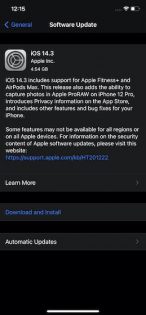
  • Updating to the latest iOS version

If none of these help and your battery keeps draining unusually fast, the issue is likely a degraded battery that needs replacement.

2. iPhone Overheating

Another issue that has become increasingly common in recent years is iPhone overheating. Many users notice their phone becoming unusually warm while gaming, charging, or even during normal usage.
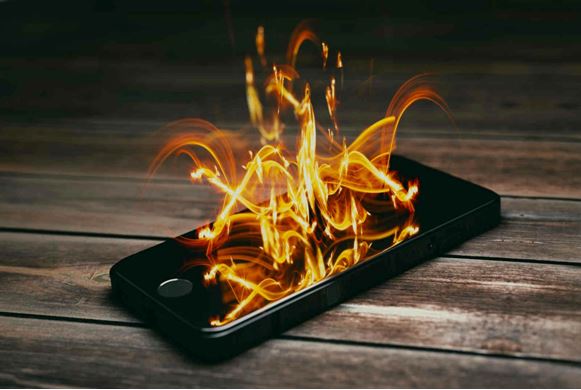
Sometimes the device may even display a message saying “iPhone needs to cool down before you can use it.”

Common reasons this happens

  • Heavy apps like games or video editing tools
  • Charging the phone while using it
  • Hot environments or direct sunlight
  • Software bugs after iOS updates

How to reduce overheating

If your iPhone starts overheating, try these quick fixes:

  • Remove the phone case temporarily
  • Close heavy apps running in the background
  • Stop using the phone while it is charging
  • Move the device to a cooler environment

Occasional warmth is normal, but frequent overheating may indicate a battery or hardware issue.

3. iPhone Not Charging Properly

Few things are more frustrating than plugging in your iPhone and realizing that it isn’t charging at all.
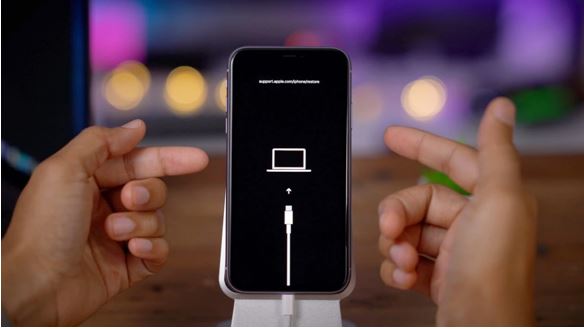
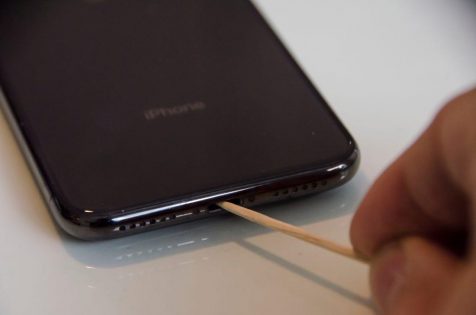
Surprisingly, the issue is often much simpler than people think. In many cases, the charging port becomes clogged with dust and pocket lint, preventing the cable from connecting properly.

Common causes

  • Dust or debris in the charging port
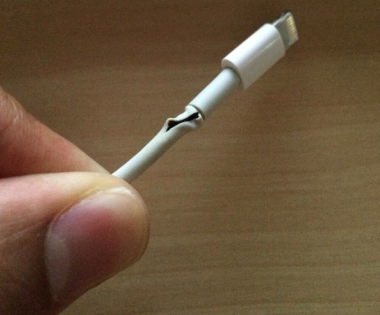
  • Damaged Lightning cable
  • Battery problems
  • Faulty charging adapter

What you should try

First, inspect the charging port carefully. If you see debris inside, clean it gently with a wooden toothpick or compressed air.

Then test the phone with:

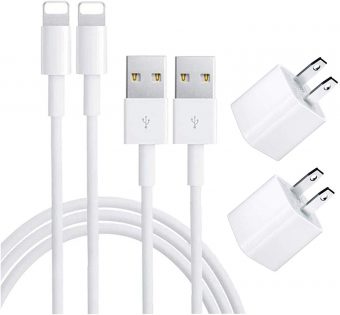
  • A different charging cable
  • A different power adapter
  • Another power outlet

If your iPhone still refuses to charge, the charging port or battery may need professional repair.

4. Cracked or Broken iPhone Screen

A cracked screen remains the most common hardware repair worldwide.

Even with stronger glass in newer models, a simple drop onto concrete can easily damage the display.

Many people continue using their phone with a cracked screen, but this can lead to bigger problems later.

Why you shouldn’t ignore it

  • Cracks can spread over time
  • Touch responsiveness may stop working
  • Glass shards can cause injury

In most cases, the safest solution is professional screen replacement. DIY repair kits exist, but they often damage delicate components like Face ID sensors if handled incorrectly.

5. iPhone Storage Always Full

Storage issues are becoming more common as people take more photos, videos, and large app downloads.

When storage is nearly full, the iPhone may start behaving strangely.

Signs your storage is overloaded

  • Apps crashing frequently
  • Camera refusing to save photos
  • iOS updates failing
  • Phone becoming noticeably slower

How to free up space

Start by reviewing what is taking up the most storage.

You can:

  • Delete duplicate photos and videos
  • Remove apps you rarely use
  • Clear Safari browser cache
  • Move photos to iCloud or external storage

6. iPhone Running Very Slow

Over time, many users notice that their iPhone starts feeling sluggish. Apps take longer to open, animations lag, and even basic tasks like switching between apps feel slower than usual.

This usually happens when the device storage is nearly full or when too many apps are running in the background.

What usually causes this

  • Low available storage
  • Too many background apps
  • Outdated iOS version
  • Aging battery affecting performance

What you can do

Start by freeing up storage space. Delete unused apps, old screenshots, and large videos that you no longer need.

Restarting the phone and installing the latest iOS update can also improve performance. If the device still feels slow after cleaning storage, the battery may be degraded and affecting overall speed.

7. Apps Freezing or Crashing Randomly

Another issue many iPhone users experience is apps suddenly freezing or crashing.

This is usually not a hardware problem. In most cases, it happens because the app itself is outdated or incompatible with the current iOS version.

Possible reasons

  • Outdated apps
  • Software conflicts
  • Insufficient storage space

How to fix it

Open the App Store and update all apps to the latest version. If the problem continues, try deleting the problematic app and installing it again.

Restarting the device often resolves temporary software glitches as well.

8. Face ID Not Working

Face ID is extremely convenient, but when it stops working it can be frustrating. Some users notice that the phone suddenly cannot recognize their face even in normal lighting conditions.

Common reasons

  • Dirt or smudges on the front camera
  • Changes in appearance (glasses, masks, etc.)
  • Software glitches

Things you can try

Clean the front camera area gently with a soft cloth. Then go to Settings → Face ID & Passcode and reset Face ID.

If the issue still persists, the TrueDepth sensor may have been damaged due to a drop or water exposure.

9. Wi-Fi Not Connecting or Disconnecting Frequently

Wi-Fi problems can make browsing, streaming, or downloading apps very frustrating.
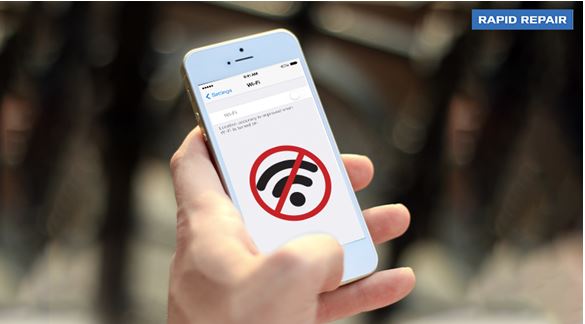
Sometimes the iPhone shows a Wi-Fi connection but internet access still doesn’t work.

Common causes

  • Router issues
  • Network configuration errors
  • Software glitches

Simple solutions

Try turning Wi-Fi off and back on again. Restarting both the router and the phone often resolves connection issues.

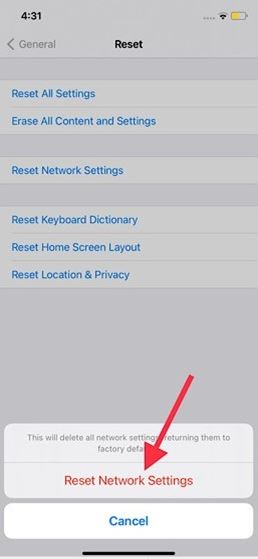
If the problem continues, reset the network settings by going to Settings → General → Transfer or Reset iPhone → Reset Network Settings.

10. Cellular Network Problems

Sometimes the iPhone suddenly shows “No Service” or struggles to maintain a stable mobile network.
Possible reasons

  • Temporary network outage
  • SIM card issues
  • Network configuration errors

What you should check

Remove the SIM card and insert it again to ensure it is properly seated. If the issue persists, try resetting network settings.

If the phone still cannot detect a network, contacting your mobile carrier may be necessary.

11. iPhone Stuck on Apple Logo

One of the more alarming issues occurs when the iPhone gets stuck on the Apple logo during startup.

This often happens after an iOS update, system crash, or failed restore attempt.

The quickest solution

A force restart usually fixes the problem.

For newer iPhones:

  • Press and release the Volume Up button
  • Press and release the Volume Down button
  • Hold the Side button until the Apple logo appears

If this doesn’t work, the phone may need to be restored through recovery mode.

12. Camera Not Working Properly

The iPhone camera is one of its most important features, so it can be frustrating when it suddenly stops working.
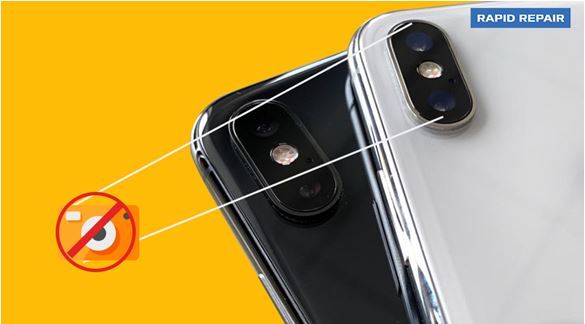
Sometimes the camera app opens but shows a black screen or refuses to capture photos.

Possible causes

  • Temporary software glitch
  • Camera app crash
  • Hardware damage

What you can try

Close the camera app and reopen it. Restarting the device can also fix many camera problems.

If the camera still doesn’t work, the lens or internal camera module may require repair.

13. Bluetooth Connectivity Issues

Bluetooth is used for connecting AirPods, speakers, car systems, and many other accessories.
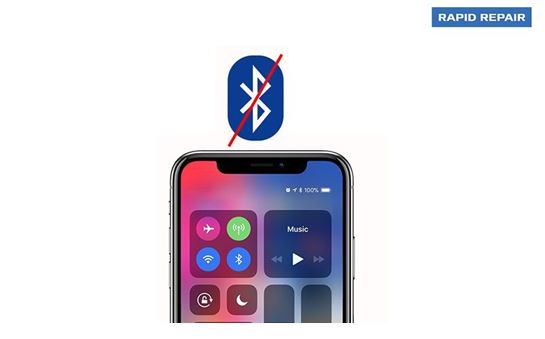
Occasionally the iPhone refuses to pair with devices it previously connected to without problems.

Simple fixes

Turn Bluetooth off and back on again. If the device still won’t connect, forget the device in Bluetooth settings and pair it again.

Resetting network settings can also solve persistent Bluetooth issues.

14. iPhone Black Screen

Some users experience a situation where the iPhone appears to be on, but the screen remains completely black.
This problem is sometimes referred to as the “Black Screen of Death.”

Possible causes

  • Software crash
  • Battery drained completely
  • Display hardware damage

What to try

Perform a force restart first. If the screen remains black even though the phone vibrates or makes sounds, the display may need replacement.

15. Water Damage

Water exposure remains one of the most common causes of smartphone damage.
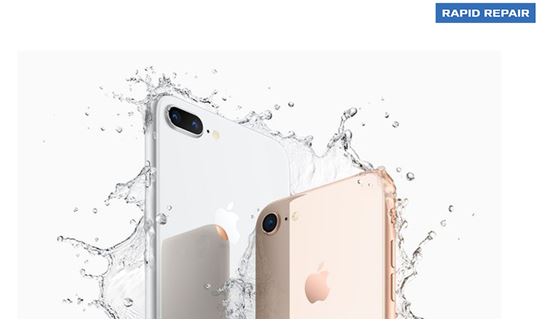
Even though newer iPhones are water-resistant, they are not completely waterproof.

Immediate steps to take

  • Turn the phone off immediately
  • Do not charge it
  • Dry the device with a soft cloth

Avoid using heat sources like hair dryers, as they can damage internal components.

If the phone stops working after water exposure, professional repair is usually required.

16. Touchscreen Not Responding

Sometimes the touchscreen becomes unresponsive or reacts slowly to touches.

Possible reasons

  • Screen damage
  • Software glitches
  • Faulty screen protector

Quick fixes

Restart the device and remove any screen protector that might interfere with touch sensitivity.

If the display still does not respond properly, the screen may need replacement.

17. iPhone Speaker Not Working

If your iPhone speaker suddenly becomes quiet or stops working entirely, it can make calls and media playback difficult.

Possible causes

  • Dust blocking the speaker grill
  • Water exposure
  • Software glitches

What you can try

Clean the speaker area gently with a soft brush and restart the phone.

If sound problems continue, internal speaker damage may be the cause.

18. iPhone Randomly Restarting

Some users report their iPhone restarting unexpectedly during normal use.

Possible causes

  • Software bugs
  • Faulty apps
  • Battery problems

Solutions

Make sure the device is updated to the latest iOS version. Removing recently installed apps can also help identify the source of the problem.

If random restarts continue, the battery may need replacement.

19. iCloud Backup Not Working

iCloud backup is designed to keep your data safe, but sometimes backups fail unexpectedly.

Common reasons

  • Insufficient iCloud storage
  • Weak internet connection
  • Backup settings disabled

What to check

Ensure you are connected to a stable Wi-Fi network and have enough iCloud storage available.

You can also try signing out of iCloud and signing back in.

20. iPhone Update Failed

Some users encounter errors when trying to install a new iOS update.

Possible causes

  • Insufficient storage
  • Unstable internet connection
  • Server issues during updates

What you can do

Free up some storage space and ensure the phone is connected to a stable Wi-Fi network.

If the update still fails, installing the update through a computer using Finder or iTunes may resolve the issue.

When Should You Seek Professional iPhone Repair?

While many minor issues can be fixed with simple troubleshooting, some problems require professional attention.

If your iPhone has screen damage, battery problems, charging issues, water exposure, or camera failures, it’s best to get it checked by experienced technicians.

At Rapid Repair, we provide professional repair services for iPhones, including:

Getting your device repaired early can prevent further damage and extend the life of your iPhone.
Not Enough Storage Iphone & iPad Issue: How to Check and Fix

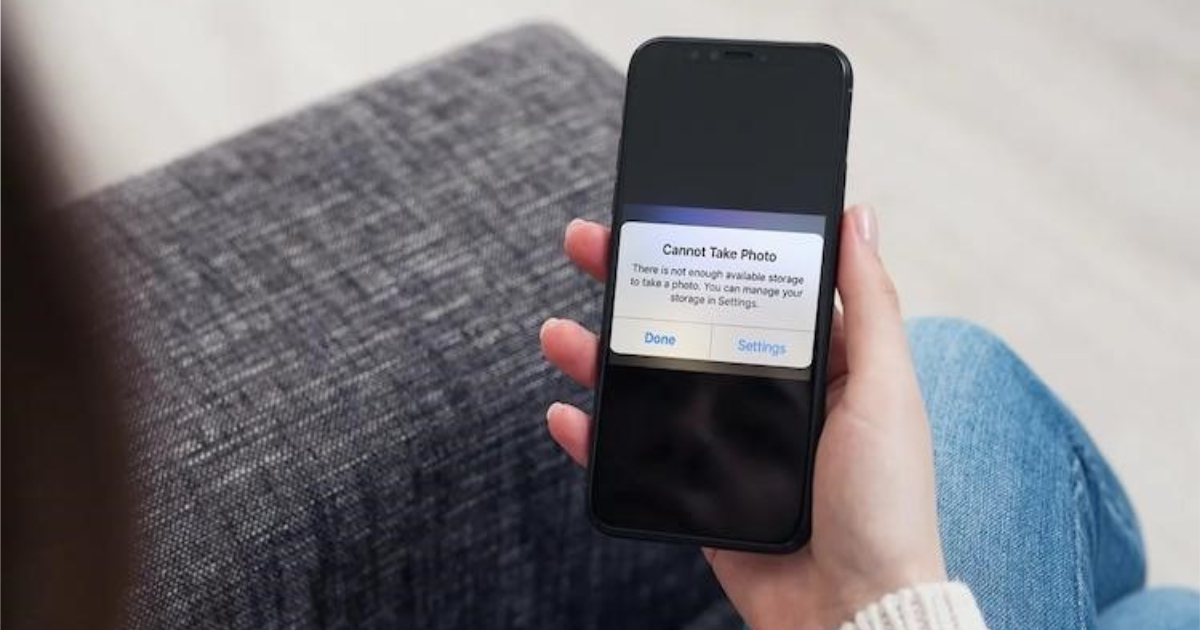
When the iPhone storage is full, iOS shows an alert saying “Not enough storage.” This is not exactly an error per se, rather it is a clear indication that the cluttered storage needs to be cleared by removing the redundant files. If you are looking to solve this issue, you must follow these tips.

Check Your iPhone/iPad Storage

First things first, make sure to check the types of data that is hogging the storage. It can help you spot the culprits that have cluttered your iPhone. As a result, you can take the appropriate action to eliminate unwanted files.

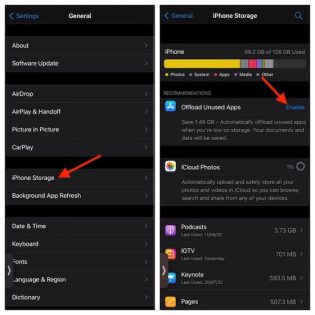
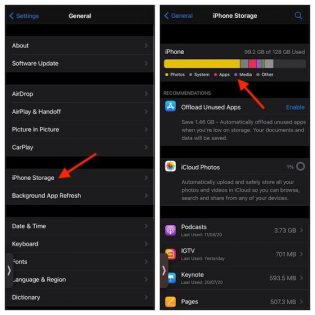
Head over to Settings > General > iPhone/iPad Storage. Now, iOS will show a breakdown of how storage has been consumed on your device. In most cases, it’s the photos, apps, and media that take the most space.

Declutter Your iOS Device by Deleting All the Unnecessary Files

Now that you know what is occupying the most space on your device, take the necessary action to wipe out everything that is no longer needed.

Start by cleaning up the redundant photos, screenshots, and videos. Bear in mind, when you delete photos/videos on your iOS device, they remain in the Recently Deleted folder for 30 days after being deleted permanently. So, make sure to clean up this folder as well. Simply tap on the Albums > Recently Deleted > Select all the images and delete them.

Then, dive into each app and remove the unwanted data. For instance, you can remove unwanted WhatsApp chat history, iMessage chat threads, and clear Snapchat history to recover storage.

Take a look at Files app (the stock file manager app) as there may be a ton of redundant files lying around. Track down each of the useless files and remove them without fail. Besides, make sure not to overlook the Notes app as well since there may be plenty of outdated notes hidden into different shelves.

Delete All the Unnecessary Apps/Offload Useless Apps

Now, take a quick glance at all the apps installed on your device and delete the ones that you don’t use anymore. Deleting all the useless apps can help your iPhone retrieve a lot of valuable storage.

Just in case you don’t want to delete some apps, we would recommend you to take advantage of the offloading feature. What makes this iOS feature so helpful is that it can remove the apps without having to delete their documents and data.

When you enable the offloading feature (Setting > General > iPhone/iPad > Enable the option to Offload Unused Apps), iOS automatically deletes apps which you hardly use to prevent your iPhone from being cluttered for space. All the associated documents and data returns when you reinstall the app.

From what we can tell, it is a pretty smart storage management that can prevent unnecessary apps from eating precious storage of your iPhone and iPad.

What if iPhone or iPad Shows No Space but There’s Actually Space

If your iPhone or iPad indicates no available space despite knowing there’s room left, don’t worry—there are steps you can take to resolve this puzzling issue.

  1. Restart your Device

A simple restart can do wonders. Hold down the power button, swipe the slider, and turn your device back on. This often clears up any temporary glitches causing incorrect space readings.

  1. Clear Cache and Data

Certain apps can accumulate unnecessary data over time. Head to Settings > General > [Device] Storage. Here, you can review and delete data-heavy apps individually, freeing up space.

  1. Update Apps and System

Software updates frequently include bug fixes. Make sure your device and apps are up-to-date by visiting Settings > General > Software Update.

  1. Check iCloud Storage

If you use iCloud for photos, videos, and backups, ensure your iCloud storage isn’t full. Go to Settings > [your name] > iCloud > Manage Storage.

  1. Clear Safari Cache

Open Settings > Safari > Clear History and Website Data. This can help free up some space.

  1. Restart iCloud Sync

Toggle off iCloud for certain apps in Settings > [your name] > iCloud > Manage Storage. Turn off the switch for specific apps, then turn it back on.

  1. Restore from Backup

If nothing else works, restoring your device from a backup can sometimes resolve this issue. However, this should be a last resort, as it erases your device and reinstalls everything.

Tips to Keep the iPhone Decluttered

To avoid seeing not enough storage in iPhone or iPad notification, it is important to manage your storage. While managing storage may seem a rather tedious affair, it is actually quite straightforward. One of the best ways to manage storage is to keep a check on the ever-growing photos and videos as they take a lion’s share of storage in most cases.

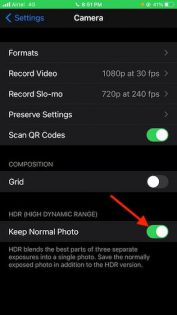
One of the simplest yet pretty efficient ways to prevent the photos app from being overloaded is to stop the Camera app from saving both the normal and HD photos.

While it may be a great option for those who prefer to have flexibility, it may prove to be a nightmare (sort of) for normal Joes. Fortunately, you can turn it off with ease. To do so, head into Settings app > Camera and then turn off the toggle for Keep Normal Photos.

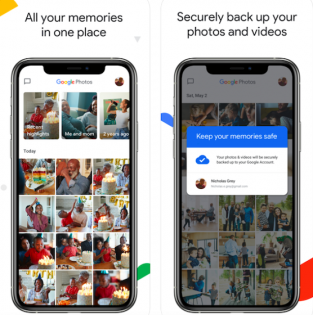
Just in case you are fond of shooting videos/images and love to keep them for ages, make the most of the unlimited free storage offered by Google Photos to store your memories without cluttering the device.

The only caveat of Google Photos’ unlimited free storage is that it compresses images/videos to save space. Though it may not be a deal-breaker for many, the ones who don’t want to compromise with the quality may not find it appreciable.

Google Photos does provide the option to store original quality images. However, the offered space is counted under the free 15GB storage that is provided by the search giant.

No talk of storage management would be complete without sorting out iMessages. Fortunately, Apple offers a neat way of removing the large attachments. All you need to do is to open Settings > General > iPhone/iPad Storage > Messages> Review Large Attachments. Now, review all the attachments and delete them.

That aside, the cloud storage services like Google Drive and Dropbox can come in handy for keeping “Not enough storage” alert at bay.

As for managing music, avoid downloading music on your device as free music-streaming services like Spotify and Amazon Music are more than capable of filling up the void.

Quick Fix to “iPhone is Disabled Connect to iTunes” error in iPhone or iPad

It feels frustrating indeed when your iPhone gets disabled suddenly and you find yourself locked out of the device. However, just like any other issues such as iTunes sync error 54 and No Service, it also has a quick fix. If you are on the lookout for helpful solutions to get rid of this annoying problem on your device, we’ve got you covered. Let’s get to the root of the problem and fix the ‘iPhone is disabled connect to iTunes’ error!

Why is the “iPhone is disabled. Connect to iTunes” Error appears

Before trying to resolve the “iPhone is Disabled” error, it would be apt to briefly discuss the reasons that might lead to this problem for a better understanding.

As part of the security feature designed to safeguard your data, iOS automatically disables your iPhone if wrong passcode attempts are made more than five times.

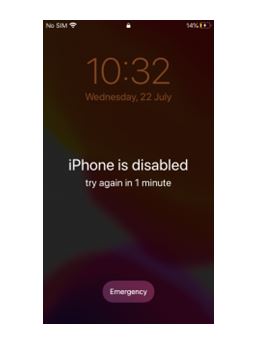
To be more precise, when you enter the wrong passcode six times, your iPhone is disabled for one minute. From then onwards, the time increases with every wrong passcode attempt.

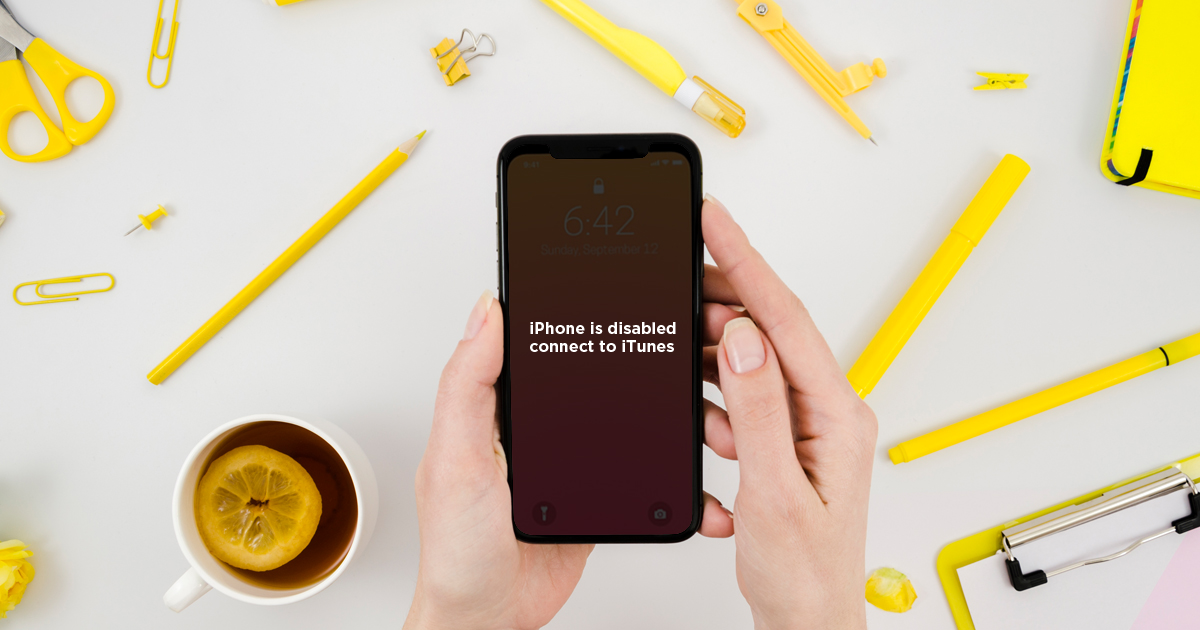
When you input the wrong passcode 10 times, your iPhone gets completely disabled, and you are asked to connect to iTunes to restore the device.

Error Messages that Appear After each Wrong Passcode Attempt – iTunes iPhone Disabled

  • 6 failed passcode attempts: iPhone is disabled. Try again in 1 minute
  • 7 failed passcode attempts: iPhone is disabled. Try again in 5 minutes
  • 8 failed passcode attempts: iPhone is disabled. Try again in 15
  • 9 failed passcode attempts: iPhone is disabled. Try again in 60 minutes
  • 10 failed passcode attempts: iPhone is disabled. Connect to iTunes

Side note:

  • You need to keep in mind that if you have enabled Erase Data setting in the Face/Touch ID section (Settings > Face/Touch ID), all your data will be wiped out when you enter the wrong passcode 10 times.

Another reason why the ‘iPhone is disabled’ error occurs is the screen damage. If the screen is damaged either physically, or sometimes even internally, it tends to develop ghost touch, which causes various sections of the screen to be pressed automatically. As a result, the wrong passcode is entered multiple times, which results in the iPhone getting disabled.

What are the solutions to resolve the iPhone is disabled error?

If your iPhone is disabled due to the entry of wrong passcodes multiple times, you can solve the problem by using these three methods.

  • Restore the iPhone using Recovery Mode
  • Use iCloud.com to recover the iPhone
  • Use the Find My App on Other Apple Device

Note:

  • If the screen of your iPhone is damaged and it often develops ghost touch. So, you need to repair the screen.
  • Backed by several years of experience, Rapid Repair is a noted iPhone repair centre. So, contact us to get the screen repaired fast at a reasonable cost.

How to recover disabled iPhone using iTunes

Step 1. To get started, connect your iPhone to your computer and open Finder or iTunes. In macOS Catalina or later, open Finder on your Mac. In macOS Mojave or earlier or Windows, launch iTunes.

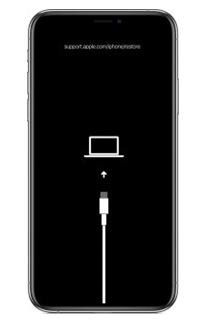
Step 2. Now, put your iOS device in Recovery Mode.

On iPhone 14 and 14 Pro Series

Do you have the latest iPhone 14 series and does your iPhone say it is disabled connect to iTunes? Follow these steps:

  • Connect your disabled iPhone 14 or iPhone 14 Pro to the device you last synced via iTunes. Once you do this, iTunes should launch automatically.
  • Go to iTunes and tap your device icon. Next, tap on Summary, and choose Restore.
  • Follow the instructions on the screen of the device to complete the unlocking process.

On iPhone 13 and iPhone 13 Pro

The iPhone disabled connect to iTunes solution can also work for your iPhone 13, iPhone 13 Pro, and iPhone 13 Pro Max.

  • Connect your disabled iPhone 13 to the device you last synced via iTunes. Once you do this, iTunes should launch automatically.
  • Go to iTunes and tap your device icon. Next, tap on Summary, and choose Restore.
  • Follow the instructions on the screen of the device to complete the unlocking process.

On iPhone XR & iPhone 11

How to connect to iTunes when iPhone is disabled – iPhone XR and iPhone 11 Series –

  • First turn off your iPhone XR, even if it has a disabled connection to iTunes screen. Press and hold both the Side button and either Volume button until the slider comes up. Drag the slider you normally did to power it off.
  • Keep holding the side button and get a USB cable to connect your iPhone with the computer. Don’t release the Side button until it displays the recovery mode screen.
  • Launch iTunes or Finder, and when the prompt comes up, choose Restore.

On iPhone 8 and later models, including SE 2020

  • Hold down the Side button and Volume Up/Down buttons at once and then slide to power off.
  • Next, press and hold the side button until the recovery screen shows up.

iPhone 7, iPhone 7 Plus, and iPod touch (7th gen)

  • Hold down the sleep/wake button and then drag the power off slider to shut down the iPhone.
  • Next, press and hold the volume down button until you see the recovery mode screen.

iPhone 6s or earlier

  • Hold down the sleep/wake button until the power off slider appears. Then, drag the slider to turn off your iOS device.
  • Now, hold down the home button until the recovery mode is activated.

(image credit: Apple Support)

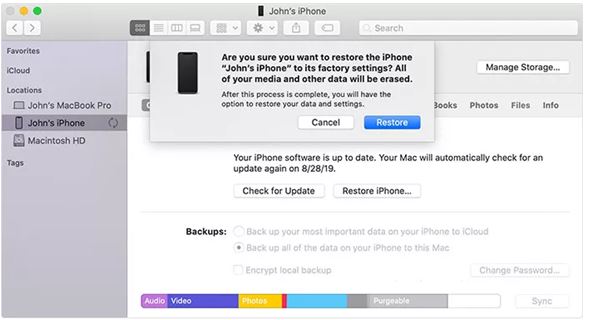
Step 3. Next, select your iOS device and click on Restore iPhone. Now, iTunes/Finder will start downloading the relevant iOS version for your iPhone.

Note: Post restoration, you will be prompted for your Apple ID and Password or your device passcode. If you do not have your Apple ID or Passcode, or don’t remember it, visit icloud.com and reset your password before attempting recovery. Otherwise, your device will be stuck at activation and there will be no way to bypass it except by entering the correct Apple ID and Password.

Also, your data on the device will be lost after recovery as the phone is reset to factory defaults. You can restore data either from iCloud or from iTunes, if you have taken a backup of your phone.

How to fix iPhone is Disabled error without iTunes/Finder

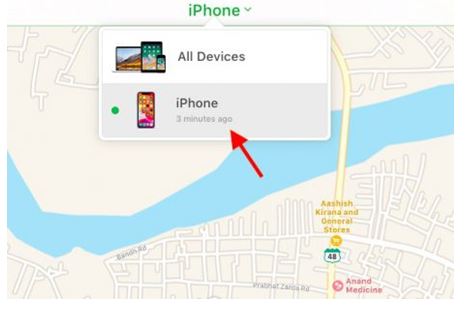
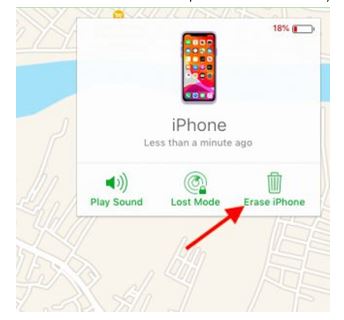
Step 1. Navigate to iCloud.com and sign in with the help of your Apple ID and password. After that, click on Find iPhone.

Step 2. Next, click on All Devices and choose your iPhone.

Step 3. Click on the Erase button to wipe out all the data of your device.

Now, you can take the help of the setup assistant to set up your device. Along the way, iOS will offer you the option to restore the device from the backup. Once you have restored the device, set up a new passcode which you can remember.

Use the Find My App on Other Apple Devices

Save this hack for those times when you don’t have access to your computer, and you wish to take the help of a friend who has an iPhone, iPad or Mac.

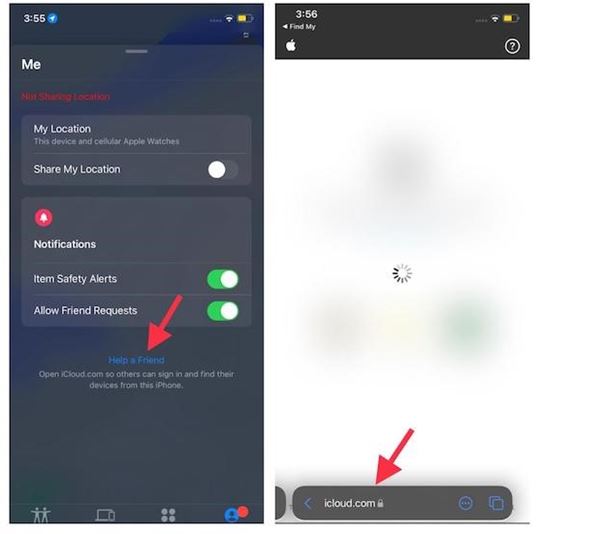
  1. Launch Find My App on your other Apple device such as an iPhone, iPad, or Mac. In this guide, we are going to use another iPhone. Tap on the Me tab and then choose Help a friend. Then, sign into your iCloud account.

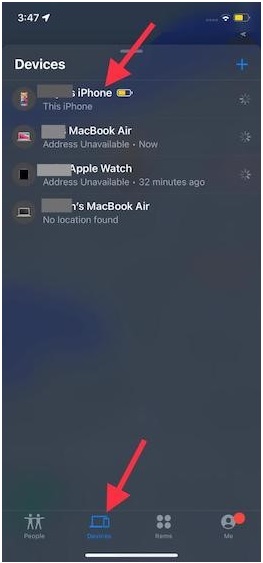
2. After that, tap Devices. Next, choose the disabled iPhone.

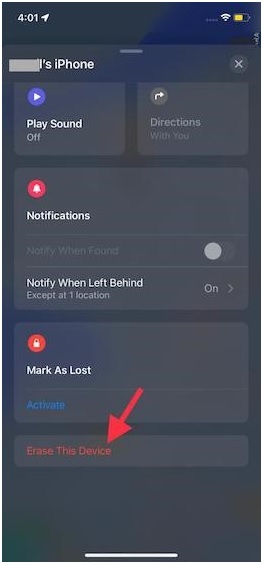
3. Next, scroll down and hit Erase This Device. Then, go through the instructions to erase your device.

Once your iPhone has been erased, follow the setup process to set up the device.

Resetting iPhone When ‘iPhone Is Disabled Connect To iTunes’ is Not Working

While we have a certain step to connect each iPhone to iTunes when it is disabled, sometimes the ‘iPhone is disabled connect to iTunes’ option is not working. What to do then?

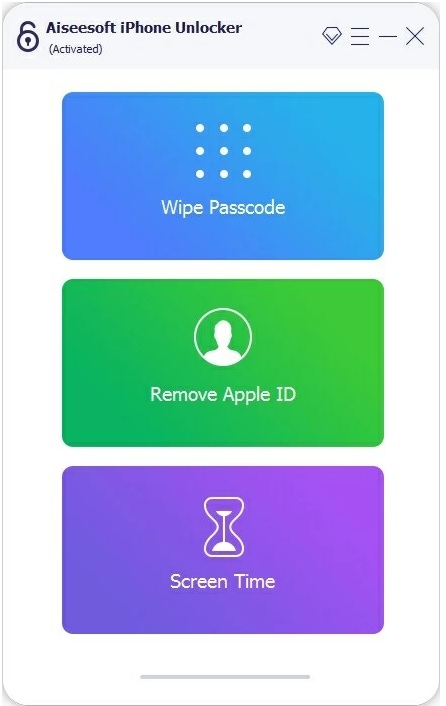
Reset Disabled iPhone with iPhone Unlocker

iPhone Unlock is a lightweight unlocking application for Apple iOS devices, capable of unlocking any model of iPhone, iPad and iPod quickly if you have forgotten the screen passcode. It can do much more than just remove the passcode for you; it can also bypass iCloud activation lock and reset Screen Time passcode with a few clicks.

The Steps:

  • Connect the iPhone with your computer but don’t click on iTunes.
  • Launch iPhone unlocker from your desktop. Select ‘Wipe Password’.
  • Check the device information and click to download iOS software.
  • This will remind you of restoring factory settings. Enter 0000 to continue.
  • Click Unlock and you’re there.

Bottom Line      

That’s all there is to it! Hopefully, you will be able to successfully fix the “iPhone is disabled connect to iTunes not working” issue with the above hacks. So, which one of the above solutions did you finally try to solve the problem? Make sure to share your feedback or let us know any related questions you might have.

And remember, well-known for resolving both complex software and hardware issues, Rapid Repair, India’s most preferred Apple repair centre, is just a call away if you need help. So, if your iPhone or iPad ever runs into any problem, do not fail to seek help from our super techies.

How to Recover Deleted Text Messages on iPhone and iPad

Did you accidentally delete important text messages from your iPhone? Worry not. Most of us have done it at some point or the other. So yes, we can feel your pain.

Fortunately, there are many ways to recover deleted text messages from an iPhone or iPad. So, you may now stop cursing yourself for the mistake and go through this detailed guide to learn the most reliable ways to restore deleted iPhone/iPad text messages.

Image credit: iPhone Backup Extractor

Restore Deleted iPhone/iPad Texts Using iCloud Backup

One of the most reliable ways to retrieve deleted iPhone/iPad messages is through the iCloud Backup. Yes, you read it right. If you had an iCloud backup before the accidental deletion of the messages then you can get them back with ease.

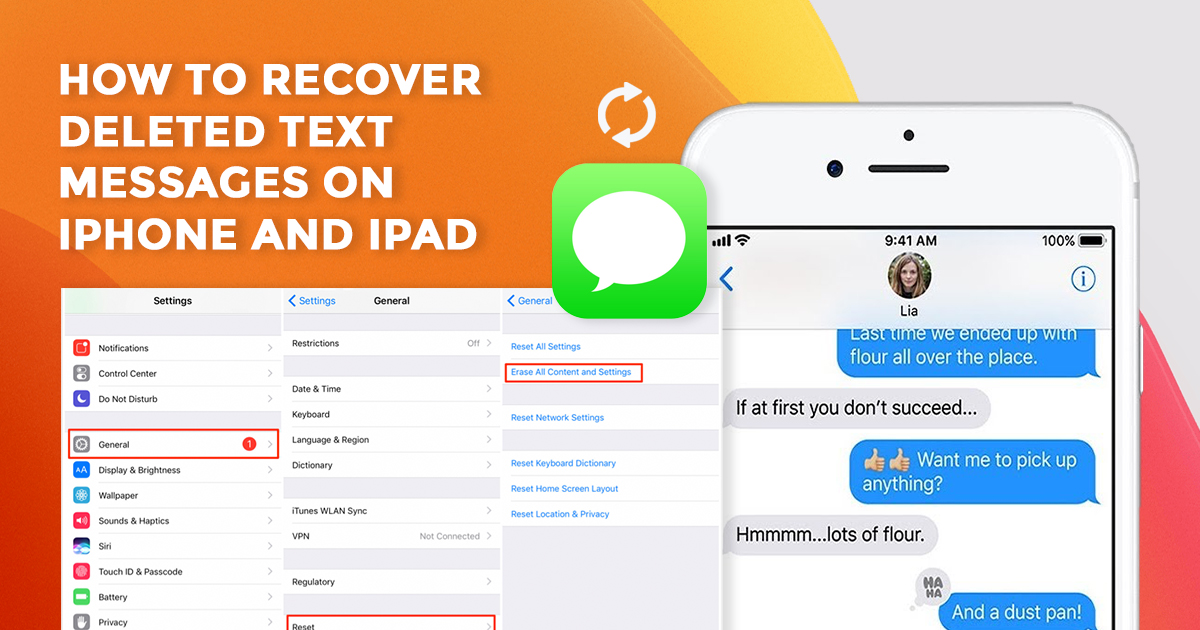
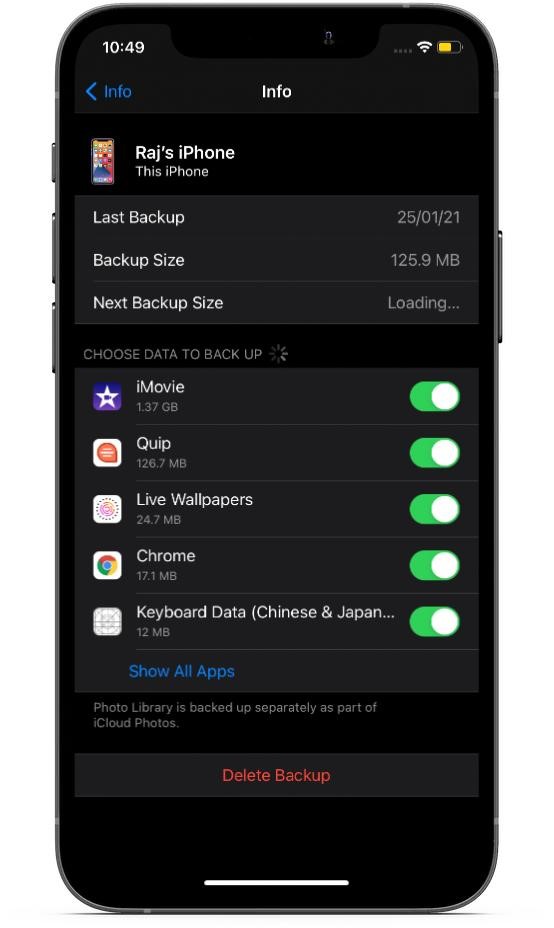
First, navigate to the Settings > Profile > iCloud > Manage Storage > Backups. Now, check the date of the iCloud backup to ensure you have the right back.

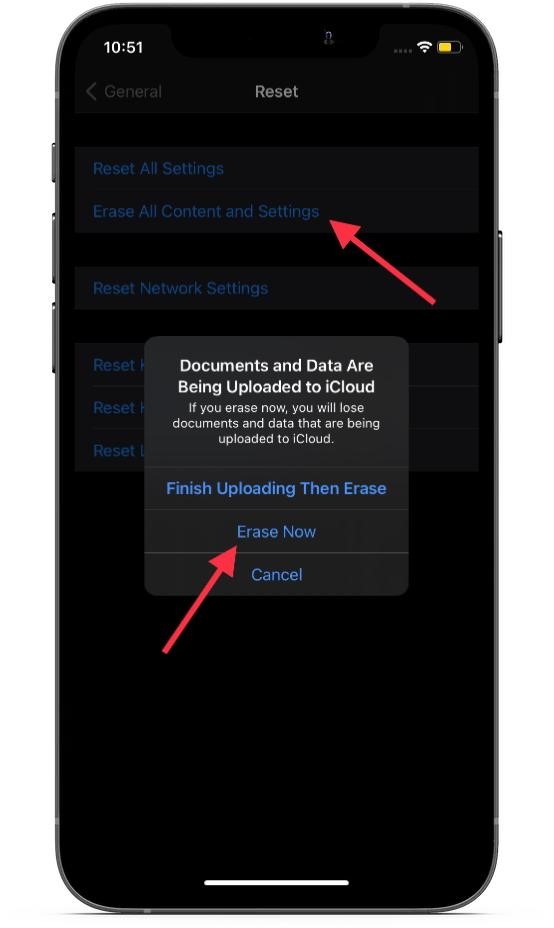
After that, head over to Settings > General > Reset. Now, tap on Erase All Content and Settings to wipe off all the existing data on your device.

Next, set up your device as usual. During the setup, restore your device from the iCloud backup. Once your device has been successfully restored, the deleted messages will be back on your iOS/iPadOS device.

Restore Deleted iOS/iPadOS Texts Using iTunes/Finder Backup

Another easy way to restore deleted texts is by using iTunes or Finder backup on your iPhone. Again make sure you have the backup before the messages were deleted.

It is worth noting that you will need iTunes on your Mac running Mojave or earlier or Windows PC. And if your Mac is powered by macOS Catalina or later, you will need to use Finder to restore your device from the backup.

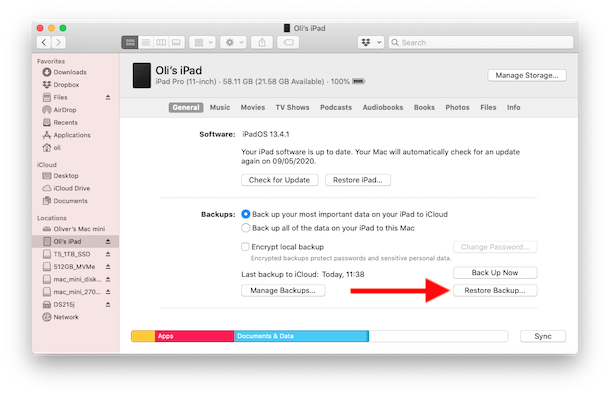
Connect your iPhone to your computer and fire up iTunes/Finder. Then, select your device and hit Restore Backup. After that, select the preferred backup to restore your device.

Image credit: OSXDaily

Recover Deleted iOS/iPadOS Text Messages By Using Third-Party Data Recovery Software

Last but not least, you can recover deleted texts on your iPhone by using third-party data recovery software. Most of the time, a deleted message remains in the flash storage of the device until it is overwritten by new data. Hence, data recovery software can retrieve data.

Keep in mind that the iPhone/iPad data recovery software requires you to spend some bucks before being able to retrieve your lost data, including the text messages. Some of the tools that we have tried and found quite reliable are Tenoshare UltDataWondershare Dr. Fone, and PhoneRescue.

Notably, most data recovery tools offer a free trial so that you can try them without having to dole out any money. And, if the freemium version lives up to your expectations, you may even upgrade to the premium version.

Bottom Line:

So, here are some viable ways to recover accidentally-deleted text messages on iOS or iPadOS. Now that you know how this hack works, make the most of it and never lose any important messages.

Based on several years of expertise in dealing with Apple devices at Rapid Repair, we can tell you that iTunes/iCloud backup often works in restoring the deleted data. That is why we always recommend our readers keep the latest backup of the device.

Though rarely, but still iPhone is not immune to hazards or sudden crashing that may result in data loss. Therefore, it is apt to go for the additional layer of safeguard in the form of a timely backup.

Retrieving deleted data seems quite straightforward when you have a backup. As for using third-party data recovery tools, you should try them as last resort. And that too after giving a close look at the freemium offerings.

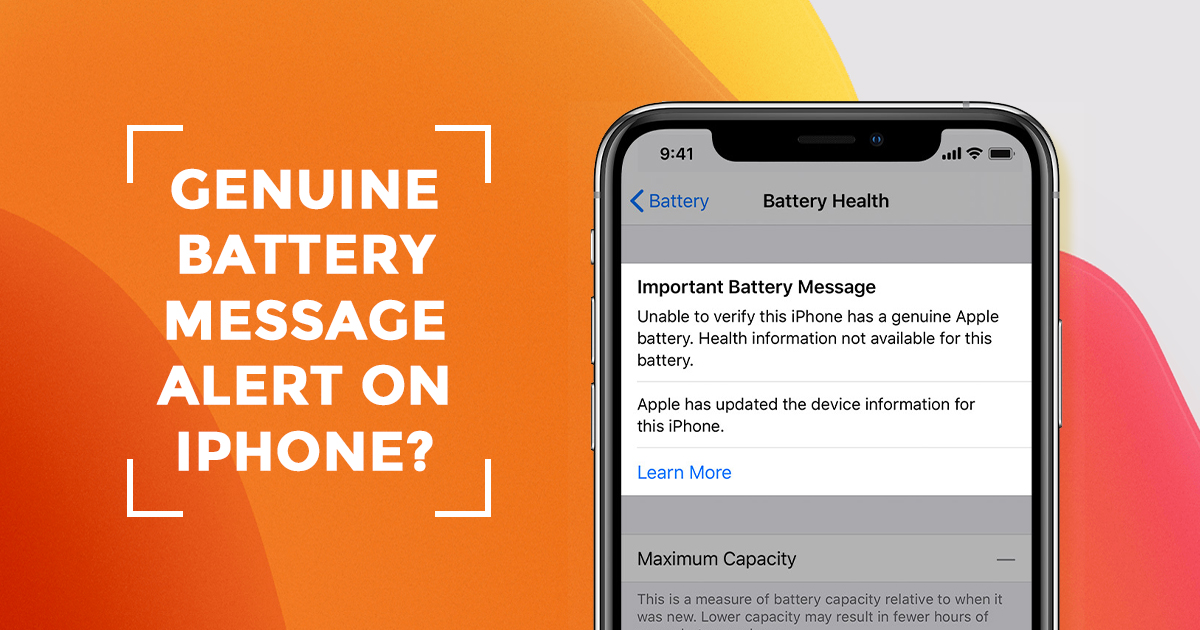
What is the Genuine Battery Message Alert on iPhone? All You Need to Know

Just like any other manmade product, built-in lithium-ion batteries in an iPhone have a limited lifespan. Eventually, they get worn out and stop delivering peak performance, resulting in random rebooting and unexpected battery drain issues. Not just that, worn-out batteries may also cause the iPhone to overheat.

Once you get your battery changed from a non-Authorized Apple service centre, Apple starts showing a Genuine battery message alert on selected iPhone models. If you are getting an alert on your iPhone about the genuine battery message and wondering what it is, this guide is for you.

Image credit: Apple

Why is Genuine/Important Message Alert Appearing on Your iPhone?

Apple has always been exceptionally concerned about using high-quality parts in its devices. It’s no secret that the Cupertino-based company wants to have complete control of its devices, which leaves very little room for an independent repair. While this behaviour can easily be referred to as the classic “Money Digging” tactic with which Apple is famously associated, we have always admired the tech giant for taking extra measures to prevent users from falling prey to non-genuine parts.

In this case, however, Apple has decided to show this message if the battery is not changed by an authorized Apple Service Center, and even if the battery is a genuine OEM battery of the same quality as the one Apple uses. Forget OEM battery, if you take 2 brand new iPhone XR, for example, and swap the batteries of the 2 phones on your own, you will start getting this message on BOTH the devices. The message is not an indication on the quality of the battery or the type. If simply indicates that the serial number of the replaced battery does not matches the serial number stored in the settings of the device. When an Authorized Service Center puts in a new battery, they use a special software to calibrate the new serial number so that your iPhone starts recognizing this replacement battery as its own. Since this software is not available with anyone else but Apple, this message is something one has to live with, whenever the battery is replaced in certain models of iPhone.

On which iPhones does the Important Battery Alert Appear?

The genuine battery alert appears on iPhone XS, iPhone XS Max, iPhone XR, iPhone 11, 11 Pro, 11 Pro Max, iPhone SE 2, iPhone 12, 12 mini, 12 Pro, and 12 Pro Max. To be more precise, the battery health shows up only on the 2018 iPhone models and higher ones.

The alert reads, “Unable to verify this iPhone has a genuine Apple battery. Health information not available for this battery.”

You may also see an additional message stating that “Apple has updated the device information for this iPhone.” It means that the tech giant has updated the device information for your iPhone for safety analysis and service needs.

How Long does the Genuine Battery Alert Exist on Your iPhone?

As soon as Apple detects the use of non-genuine battery parts on your iPhone, it shows up the important battery message right on the lock screen as a clear warning. The message stays on the lock screen for the first 4 days and in the Settings for 15 days.

After that, you can head over to Settings > Battery > Battery Health to check the battery alert.

Does This Message Affects Your Ability to Use the  iPhone?

No. Apple clearly states that the “Important battery message” doesn’t affect your ability to use your iPhone. As mentioned above, the alert is just to inform you that the replaced battery is not recognized by the iPhone. It has absolutely no bearing on the performance of the battery. The only drawback is that the battery health is not visible in the Settings directly but can be checked via 3rd party Apps and software.

Bottom Line:

Widely recognized as one of the most trusted iPhone repair centres across India, Rapid Repair has always been a strong proponent of genuine parts. Considering how crucial a role the battery plays in helping a smartphone (or for that matter any device) deliver peak performance, it can be worrying for some people that the iPhone will display this kind of a message post battery replacement. Rest assured, the battery used by us is of the highest quality, we use only genuine OEM parts, and comes with 1 year warranty on performance and are stress tested post installation. The message or the battery health not being displayed has absolutely no bearing on the performance of the battery and once we replace the battery, you can use it like it was a new iPhone without any worry.

How to Fix “This Accessory May Not Be Supported” in iPhone

Has this ever happened to you? Your iPhone is just about to die due to low power and you plugged it in for charging and there comes this old-age prompt ‘this accessory may not be supported’. The moment you connect the device to a charging cable, the “This Accessory may not be supported” error pops up on your iPhone, bringing the charging process to a halt. Probably that is why you are here, looking for reliable ways to fix the issue. So, apart from other hacks for faults like ‘iPhone charging cable not working’ or ‘charger saying accessory not supported’, you can find the right answers here below.

If things still don’t work well on the DIY mode for you, don’t hesitate and contact the top experts in the city.

This article has a few workable tips to resolve this common problem. And since they have done the trick for many users, we are sure they can get the job done for you as well. So, let’s cut to the chase without any more ado!

So how to stop this accessory not supported iPhone repair issue? Well, chances are that you might be able to pull-off a miracle but if not, Rapid Repair will be there to take your parcel from home and bring it back to your doorsteps.

Clean the USB Port and the Accessory

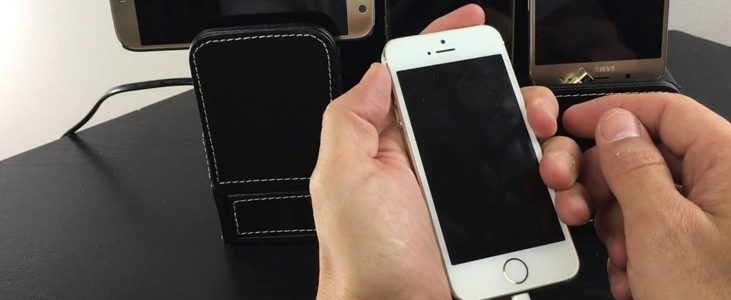
The very first thing that you should do is to clean up the gunk or smudge that may have accumulated inside the charging port. It may be preventing the charging accessory from making a solid connection. So, ensure that the Lightning port is clean. You can use compressed air or a toothpick to clean the Lightning port of your iPhone.
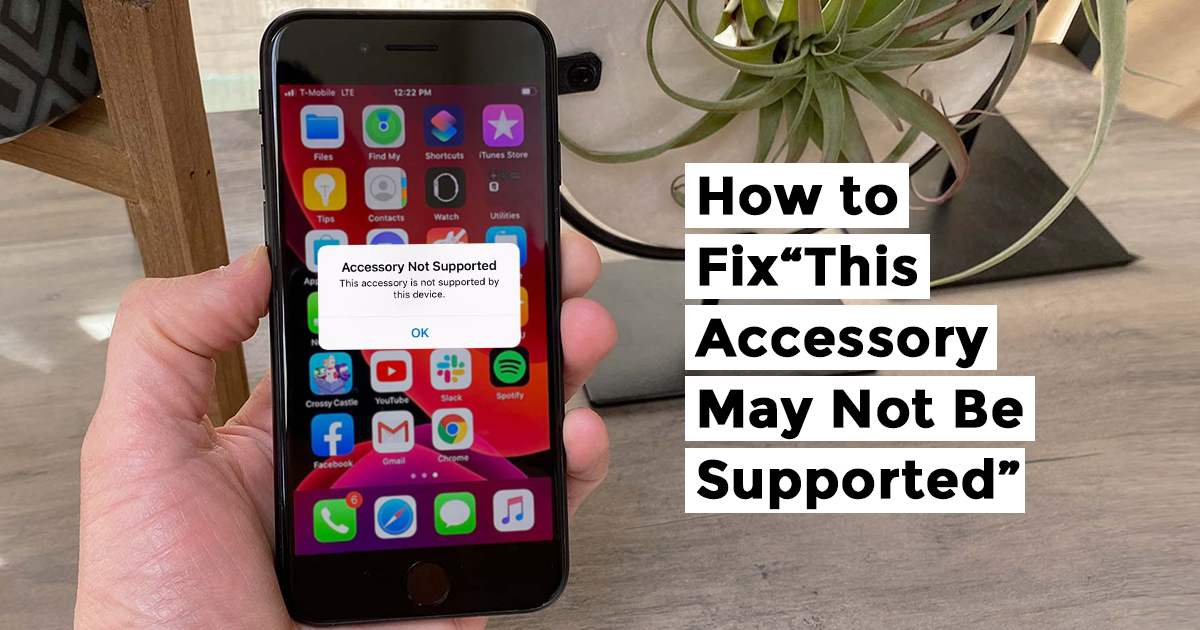
Image credit: BusinessInsider

Make sure to do it very carefully, so that you don’t damage the port while trying to get rid of the lint. If the pins get bent or damaged, there is no other option but to get the jack replaced.

Try a different charging cable

Another easy solution is to simply try and use any other charging cable you may have in the house. If the device starts charging with the other cable without showing the error, then the problem is with the cable itself and needs replacement. Apple charging cables are something we can tag as handle-with-care but chances are 3 to 6 months down the line you will face the iPhone cable not working issue so be prepared and take a handy second-hand wire that will do the same job.

Ensure That the Accessory is MFi Certified

Another thing worth taking note of is to ensure that the charging cable or headphone you are using is either an original Apple product or is MFi (Made for iPhone/iPad) certified. If you are using an uncertified or aftermarket charger, chances are pretty high that the problem could be due to it.

You can get an MFi certified iPhone charger at around Rs. 1500-2000 from Amazon or Flipkart. Both in terms of security and efficiency, a certified charger is a better option. So, you shouldn’t compromise on it.

Make Sure the Accessory Is Not damaged

The “Accessory may not be supported” error on an iOS device is also found to appear due to damage to the accessory being used. So, you should ensure that the charging cable or the power adapter is in a good condition to charge the iPhone, at least physically.

Image credit: iDownloadBlog

Restart Your iPhone

If the “Accessory may not be supported” message is still popping up on your iPhone, try to restart the device. More often than not, a simple reboot can help you fix random glitches. Thus, do not fail to give it a try.

  • To Restart your iPhone X, 11, or 12: Press and hold the volume button and the side button. Then, drag the power off slider to shut down the device. After that, hold down the side button to restart your device.
  • To Restart Your iPhone SE 2, iPhone 8, or Earlier: Press and hold the sleep/wake button and then drag the power off slider to shut down the device. After that, press and hold the sleep/wake button to restart the device.

Update Software on your iPhone

If the problem still persists, there is a small chance that it might be due to a software bug. And in this scenario, the software update is required. With every new update, Apple releases a number of bug fixes and performance enhancements to improve the overall experience of the iPhone. Therefore, head over to the Settings app -> General -> Software Update. If an update is available, download and install the latest iteration of iOS on your device.
The Bottom Line

So, our guide on sorting out the “accessory not supported on iPhone” error ends here. Hopefully, you will get this issue under control now and your iPhone will start to charge as usual. iphone accessory not supported fix or any other error, you can get to the root with an easy demo, you can watch online.

In most cases, this error appears due to an uncertified charger. Therefore, charging the device with an MFi certified charger can fix the issue.

Apart from a faulty charger, dust/lint or physical damage to the charging accessory is also equally responsible for the issue. As for the software bug, it’s quite rare. However, we should never rule out the possibility of the software bug, since it has been the wrecker-in-chief behind several major iOS issues in recent times.

If nothing helps, the problem might be either with the charging port itself, it might have got internally damaged due to years or use or in some cases, it can be a hardware problem originating from a faulty charging IC or TriStar IC on the motherboard of your iPhone or iPad.

In these cases, it is unlikely that you can fix the problem by following the steps we have suggested, but no need to worry you can fall back to us. We are here to help you when all the above steps have failed. Feel free to reach out to us as we are always here to help you fix your iDevices, including iPhone, iPad, Apple Watch, and MacBook.

Device not supported – or any other damage or software problem in your Apple or OnePlus device, contact Rapid Repair today and book your rider of the day to assist with your pick-and-drop.

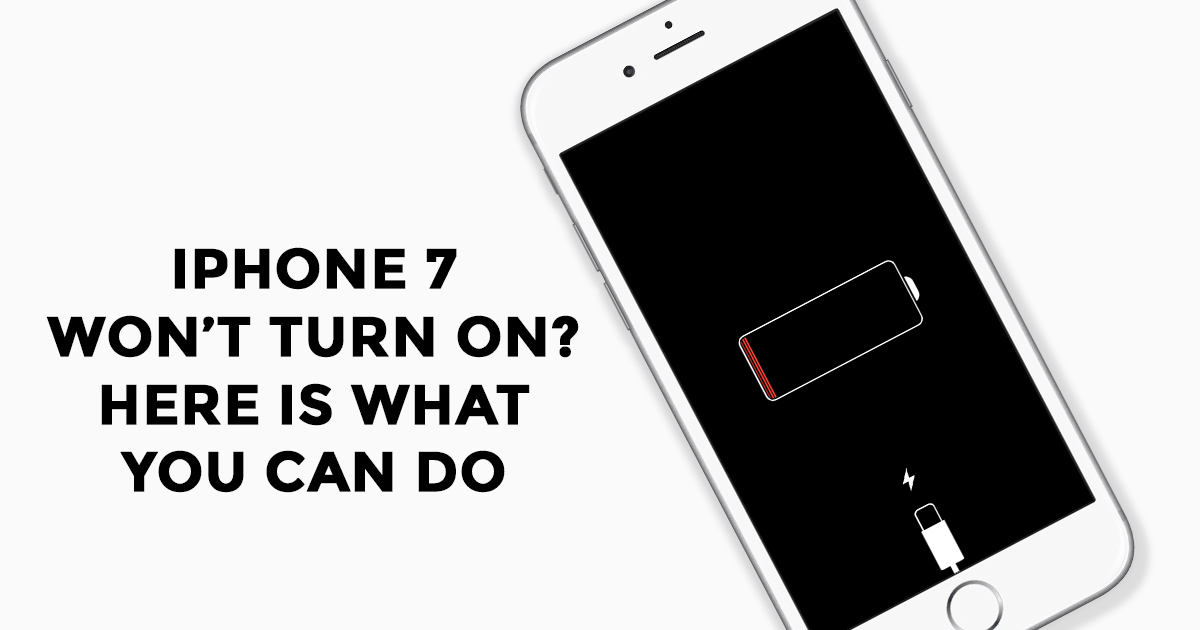
iPhone 7 Won’t Turn On? Here is What You Can Do

There could be more than one reason why your iPhone 7 won’t turn on. For instance, it could be due to low battery or sudden software crash that may be preventing the iPhone 7 Series from booting up. Not to mention, the problem could also be related to hardware.

But do not get disheartened as there are quite a few viable solutions that can fix the iPhone 7 or 7 Plus that won’t turn on. If that’s what you are after, head over to try out the fixes to bring the smartphone back on track sooner than later.

So, how do you determine why your iPhone 7 won’t turn on? Read on to find out.

Force Restart Your iPhone to Fix Software Crash or Random Glitch

This is always our first go-to move when trying to revive a lifeless iPhone. If your screen is black or the display is frozen, a force restart aka hard reset can provide a seemingly miraculous solution. To force restart an iPhone 7, press and hold both the Side and Volume Down buttons simultaneously for at least 10 seconds, until the Apple logo appears.

If the forced restart works, then your phone probably experienced a software crash or ran into a random glitch. More often than not, this can let you fix common issues like freezing or crashing of the software. So, never fail to try it out if you ever run into some unexpected issues.

Plug-In Your iPhone 7/7 Plus to Power Source

If the forced restart didn’t do the trick, it’s a good idea to plug your phone in for at least an hour to let it power up. An exhausted battery gets deep discharged and can lead to some random quirks at times, and a quick boost can get things running smoothly again.

But before you go on to other business while letting your phone charge, make sure that the connection is good. First, wait a few minutes to see if the battery charging screen appears. If it does, just let your iPhone 7 charge for a while. If you don’t see that charging icon or if the phone doesn’t start up, then it’s time for a few more steps.

Swap out the charger and cable and try a different set – it’s possible that the power source isn’t working. Besides, also ensure that the Lightning port is clean or free from debris. You can use a toothpick or a small compressed air hand pump to get rid of the lint or debris.

Use Recovery Mode to Update/ Restore Your iPhone

Considered as the last resort or nuclear solution, Recovery Mode is well-known for fixing complex issues. So, if none of the solutions mentioned above have worked, give a chance to it to sort out the mess.

Note:

  • Before trying out this radical solution, be wary that you will end with up a new device with all data gone. Whatever you had last backed up on iCloud or iTunes can be restored, but any local device data not backed up will be permanently lost.

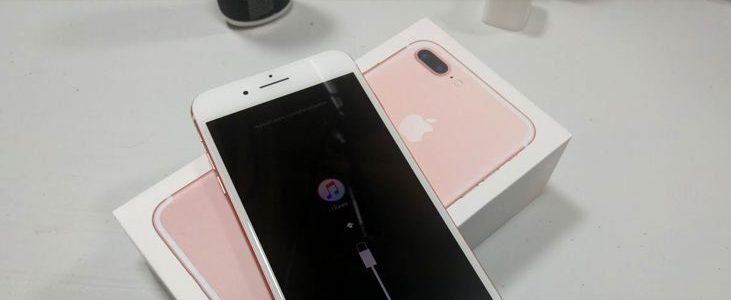
First, connect your iPhone to your computer and open iTunes. When your phone is connected to iTunes, hold down the Side and Volume Down buttons at the same time. Keep them pressed even after the Apple logo appears until you see the Recovery mode screen. When the Recovery mode screen pops up, release the buttons.

It’ll then ask you whether you want to update or restore your device. Select Update to fix the problem without deleting the content of the iPhone. If you wish to wipe out all the existing content and settings and restore your device as new, select Restore.

Note:

  • With macOS Catalina or later, Apple has shut down iTunes on Mac. Therefore, you will need to use Finder (which has donned the role of iPhone and iPad manager in the latest version of macOS) to update/restore/backup/sync your device.

What Do I Do When My iPhone 7 Won’t Turn On?

Quick Solution:

The very first thing you should do to bring your iPhone back into action is the hard reset. If that doesn’t help, plug it into a power source and leave it for some time. If nothing works, restore the device in Recovery Mode. Moreover, contacting a trusted iPhone repair centre will also be a great idea if nothing comes to your rescue.

Why is My iPhone Screen Black?

There could be multiple reasons why your iPhone screen is black. For example, the problem could be due to the damaged screen, software crash or the Apple logo being stuck at the boot loop, thereby triggering black screen of death.

What Do You Do When Your iPhone Won’t Charge?

If you have any repairments regarding your iPhone, there are iPhone repair center in Delhi.

Rapid Repair  provides the best and top mobile phone repair services that includes smart phones, cell phones etc. Contact soon for any issues

whatsapp logo