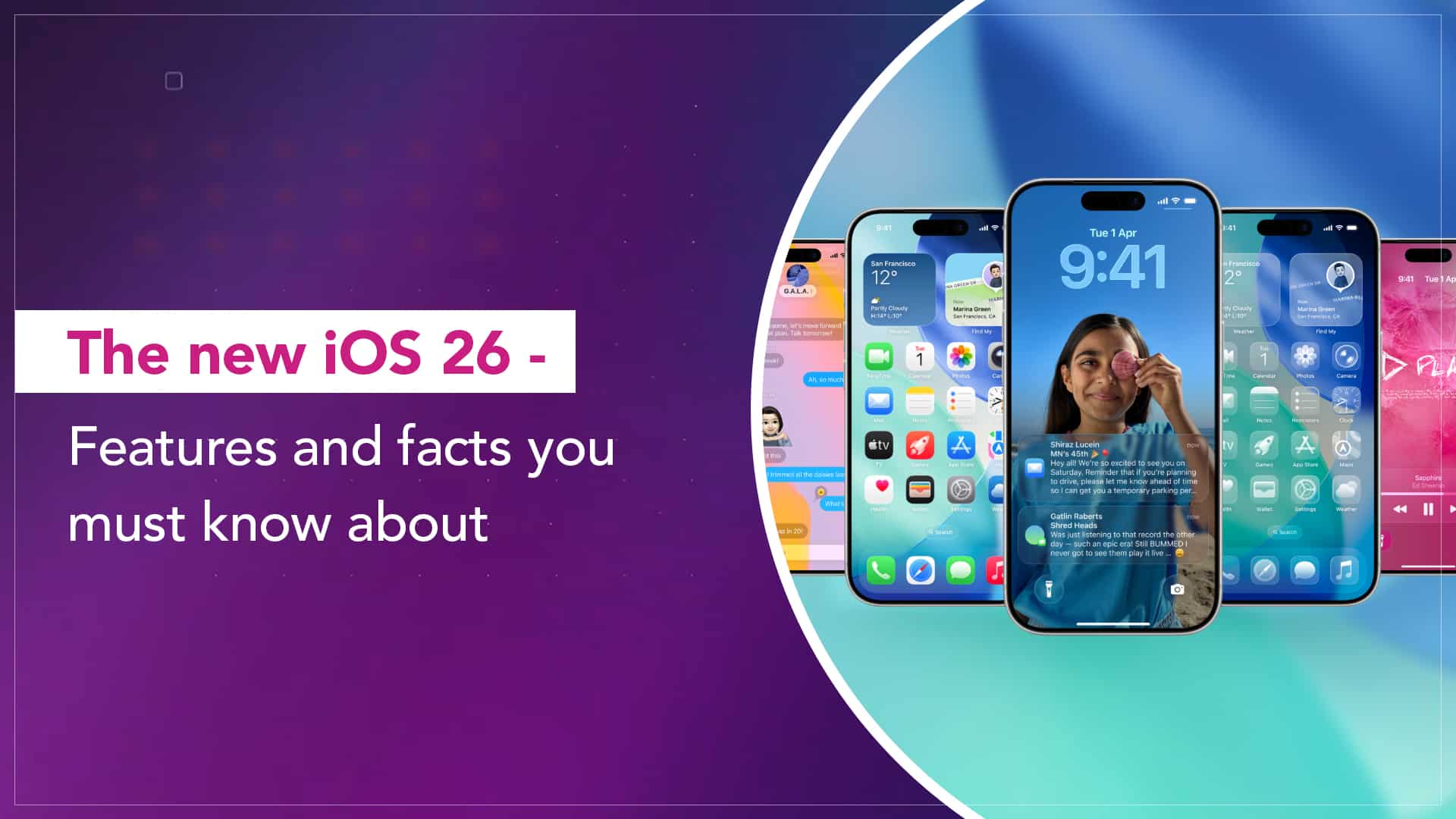
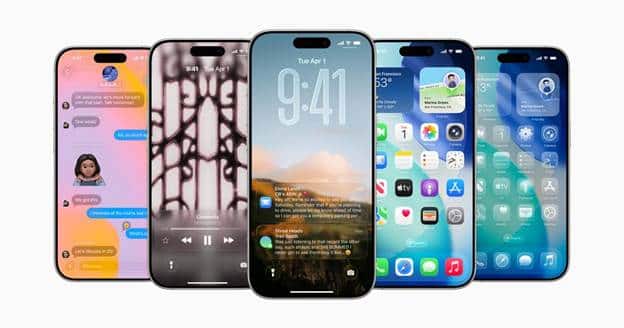
iOS 27 Is Here: New Features, Supported iPhones, and the Bugs You Should Know About

iOS 27 new features and Siri AI on iPhone

iOS 27 officially rolled out on September 14, and it’s less about new icons and more about Apple finally giving Siri the power everyone’s been waiting years for. If you have already updated, or you are deciding whether to, here’s everything worth knowing. The real iOS 27 new features, which iPhones get the full experience, and the update problems people are running into so far.

What’s Actually New in iOS 27

Apple kept this release focused on three things: a smarter Siri, more safety and privacy controls, and general performance polish. Here’s what stands out.

Siri AI Is the Headline Feature

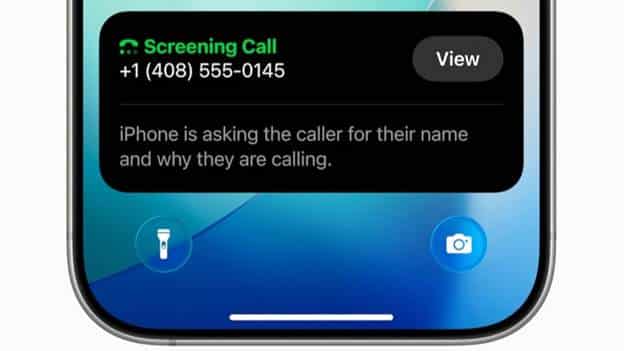
The classic Siri everyone’s used to complaining about has been rebuilt from the ground up. Siri AI works a lot more like a proper conversational assistant; it can pull from your personal information on the device, understand what’s currently on your screen, and take actions across apps that support it. There’s now a dedicated Siri app too, alongside the usual press-and-hold shortcut.
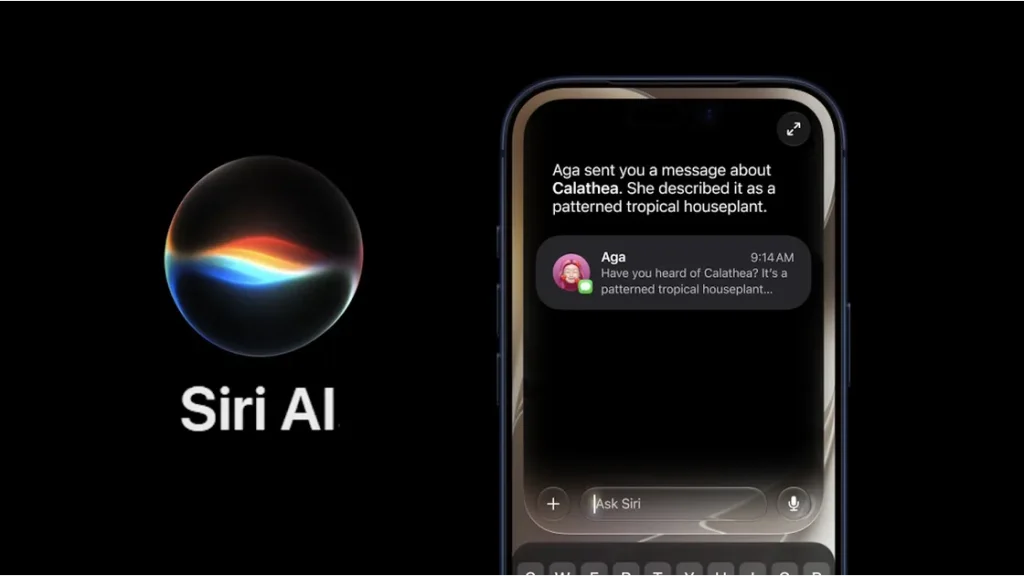
 Siri AI Features in iOS 27

Image Credit – Apple

A few things to know:

  • It’s English-only at launch, with more languages coming later.
  • There’s a daily usage limit for now, with expanded access planned as a paid option down the line.
  • Siri AI isn’t available in the EU yet, due to an ongoing regulatory situation with the European Commission.

Smarter Photos and Camera Tools

The Photos app picked up a couple of genuinely useful AI features. Extend can fill in the edges of a photo that doesn’t match your screen’s aspect ratio, which is handy for wallpapers. Spatial Reframing lets you shift the perspective of an older photo to fix composition, and it works on photos taken with any camera, not just an iPhone.

Get Reframe feature under the editing section of an image

Image Credit – Apple

Expanded Parental Controls

iOS 27 gives parents noticeably tighter oversight: more control over what kids can access, who they can contact, and when specific apps are usable. It’s a meaningful step up from what iOS 26 offered.
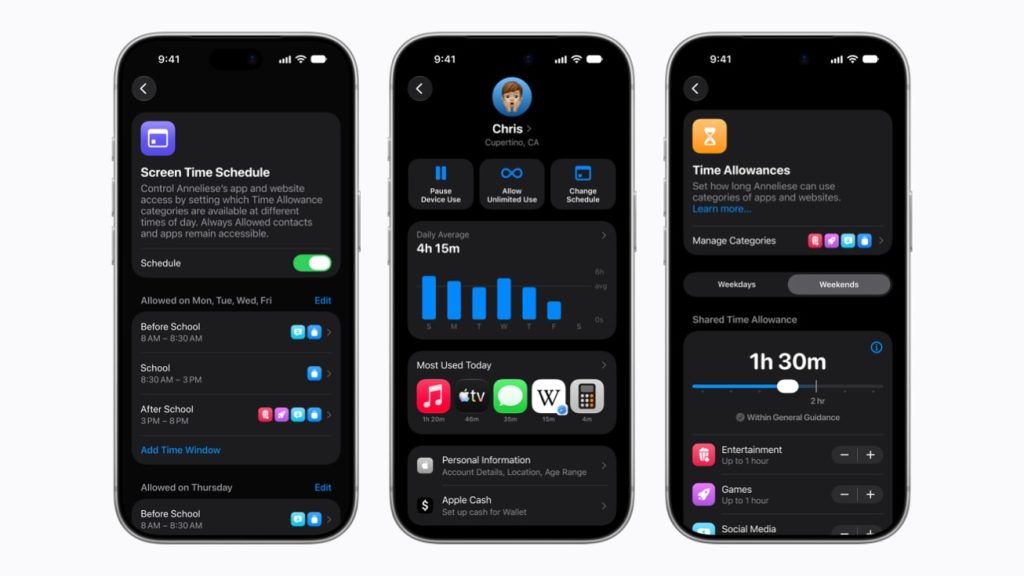
Apple's new child-safety features give parents more control over websites, communication and screen time across devices

Image Credit – Apple

Everyday Performance Feels Better

This is the part that matters most if you are not chasing AI features. Independent testing found the Camera app launching noticeably faster and Maps loading quicker on older hardware, along with smoother animations and transitions system-wide. Apple says it’s addressed a long list of small user frustrations this time around, which tracks with how the update actually feels in daily use.
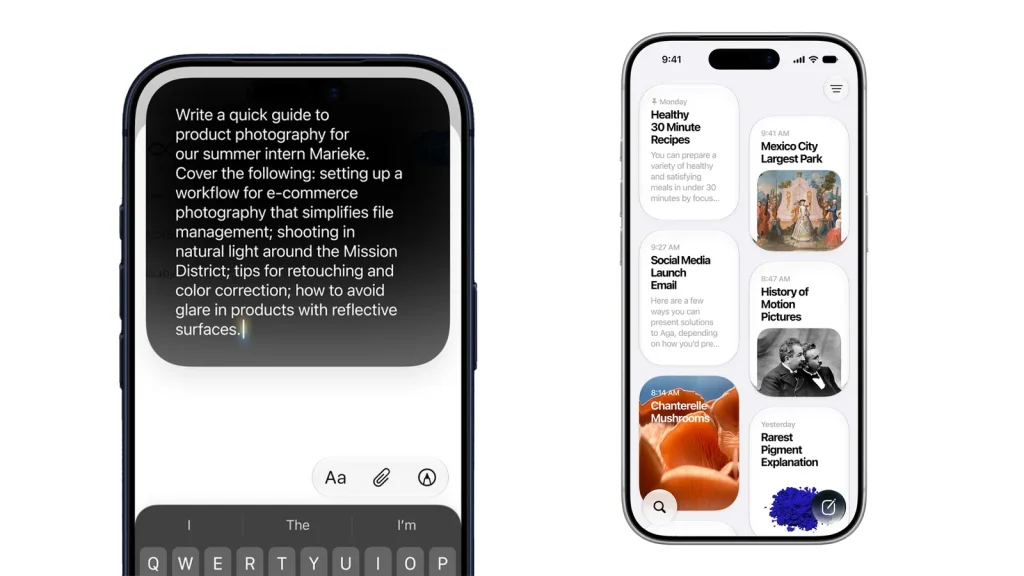
Everyday Performance Feels Better siri ios 27

Image Credit – Wired

iOS 27 Supported iPhones

Here’s where it gets a little layered, since not every supported iPhone gets every feature.

  • Basic iOS 27 compatibility covers the iPhone 11 and later, including the second-generation iPhone SE- the exact same list as iOS 26, so nothing got dropped this year.
  • Apple Intelligence and standard Siri AI features need an iPhone 15 Pro or newer- iPhone 15 Pro/Pro Max, iPhone 16 series, iPhone 16e, and iPhone 17.
  • The most advanced on-device AI model– the one behind more expressive Siri voices and higher-accuracy dictation is limited to devices with at least 12GB of RAM. Right now, that’s only the iPhone 17 Pro, iPhone 17 Pro Max, iPhone Air, iPhone 18 Pro, iPhone 18 Pro Max, and iPhone Duo.

So, if you are on an older iPhone, you will still get the update, the performance improvements, and general refinements; you just won’t get the fanciest Siri AI capabilities until you are on newer hardware.

iOS 27 Update Problems and Fixes

As with pretty much every major iOS release, the first few days brought a familiar batch of complaints. If you are dealing with iPhone problems after the iOS 27 update, here’s what’s actually going on and how to handle it.

Battery Draining Faster Than Usual

This is the single most common complaint right now, and it’s mostly expected. Right after a major update, your iPhone is quietly indexing content, syncing iCloud data, and reprocessing photos in the background. All of which eats extra battery for a few days.

What to do:

  • Give it 48 to 72 hours before judging battery life properly.
  • Check Settings > Battery for any app using an unusually large share of power.
  • Turn on Low Power Mode temporarily if it’s bothering you.
  • Avoid heavy gaming or video editing right after updating, since that adds extra strain while the system’s still settling in.

The iPhone Running Warm

A slightly warmer phone for a day or two after updating is normal: same root cause as the battery drain, just showing up as heat instead. Removing a thick case for a while helps it cool down faster, and it should settle on its own.

Apps Crashing or Freezing

If a third-party app that worked fine before suddenly crashes or freezes, it’s very likely the developer has not pushed an update to match iOS 27 yet. Check the App Store for pending app updates: banking apps, games, and enterprise software are usually the slowest to catch up.

Siri AI Not Working as Expected

Some users are running into an eligibility or waitlist issue with the new Siri AI, separate from the device compatibility requirements above. If it’s not responding the way it should, double-check you are on a supported iPhone and give it a few more days as Apple continues the rollout.

When to Actually Worry

Most of this settles within a few days on its own. But if your iPhone stays unusually hot, keeps losing charge rapidly while just sitting idle, or keeps crashing well after the initial settling-in period, that’s not typical post-update behavior anymore, and it’s worth getting it looked at rather than assuming it will fix itself.

If the Problem Isn’t Going Away

A software update should not permanently drain your battery or make your iPhone run hot all the time. If it’s still happening a week or more after updating, the update may have simply exposed a battery or hardware issue that was already sitting under the surface.

Still dealing with battery drain, overheating, or a sluggish iPhone well after updating to iOS 27? Get it diagnosed and repaired by Rapid Repair. Genuine parts, a proper hardware diagnostic, and technicians who can tell you whether it’s really the software or something underneath that needs fixing.

Read – Apple’s “Surprise and Shine” Event 2026: Everything Announced on September

Apple’s “Surprise and Shine” Event 2026: Everything Announced on September 9
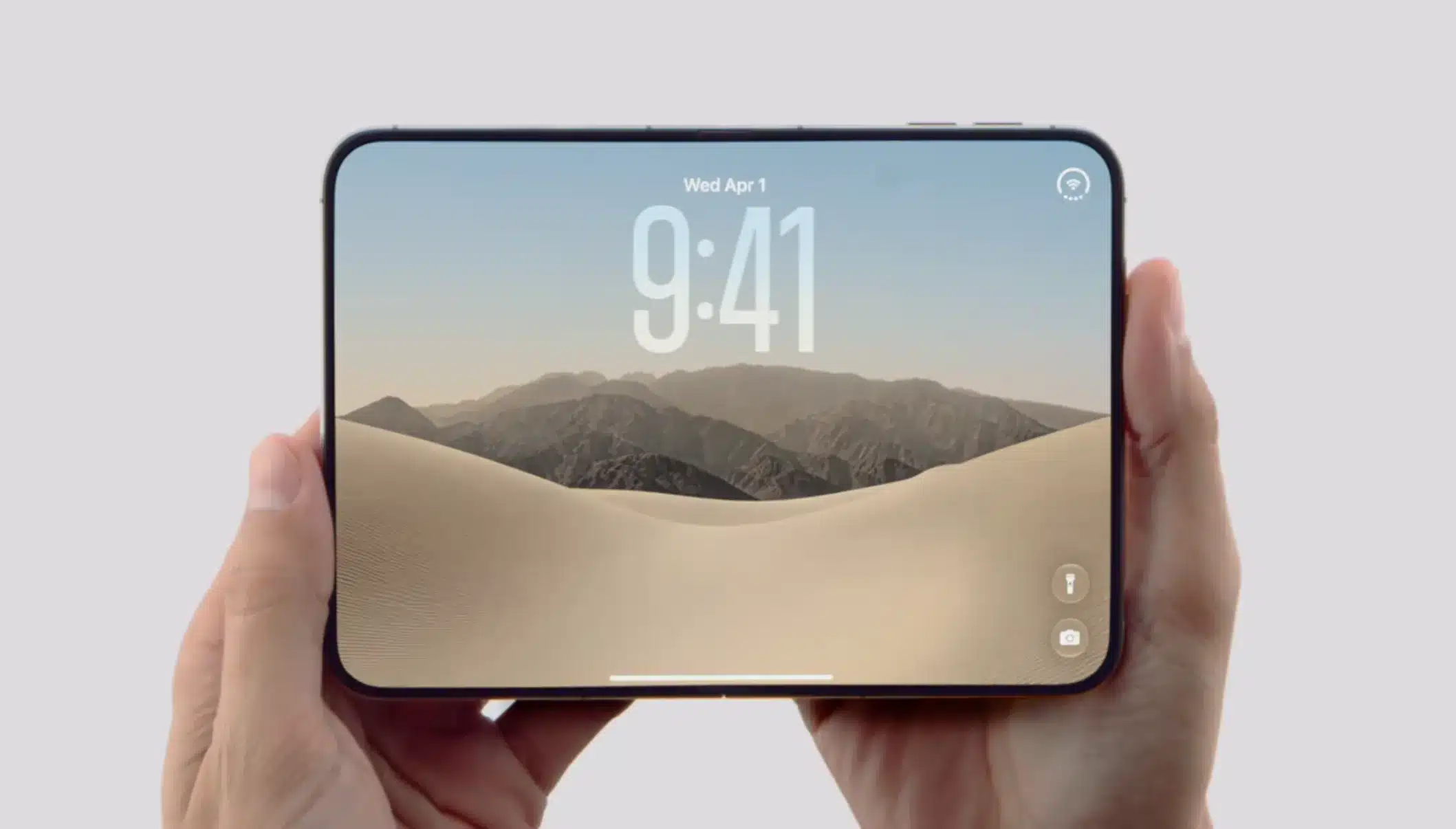
Apple Surprise and Shine event featuring iPhone Duo, iPhone 18 Pro, Apple Watch and AirPods 5

Apple just wrapped its biggest event of the year, and honestly, it delivered. This wasn’t just another iPhone refresh, it was the first keynote under new CEO John Ternus, who took over from Tim Cook earlier this month, and Apple used it to finally launch something people have been asking about for years: a foldable iPhone.

Here’s a full breakdown of what got announced on Apple September 9, 2026 event, and what it actually means if you are holding onto an older Apple device right now.

The Big One: iPhone Duo, Apple’s First Foldable

The headline reveal in the Apple event was the iPhone Duo, Apple’s first-ever folding iPhone. It opens like a book, with a 5.4-inch outer display for everyday use and a 7.6-inch inner display that turns it into something closer to a mini tablet when unfolded. Both are Super Retina XDR panels hitting up to 3,000 nits of peak brightness, and there’s a nano-texture finish on the inner screen specifically to hide the fold line and cut down glare.

 iPhone Duo first foldable iPhone


A few standout details:

  • Titanium frame with a 3D-printed titanium hinge cover.
  • IP68 rated for dust and water resistance, which is genuinely impressive for a foldable.
  • No Face ID- it uses Touch ID built into the side button instead, plus the option to unlock it with your Apple Watch.
  • Runs on the same A20 Pro chip as the iPhone 18 Pro.
  • Starts at ₹2,99,900 and launches in October.

It’s a serious first attempt, and it puts Apple properly in the foldable conversation alongside Samsung and Google.

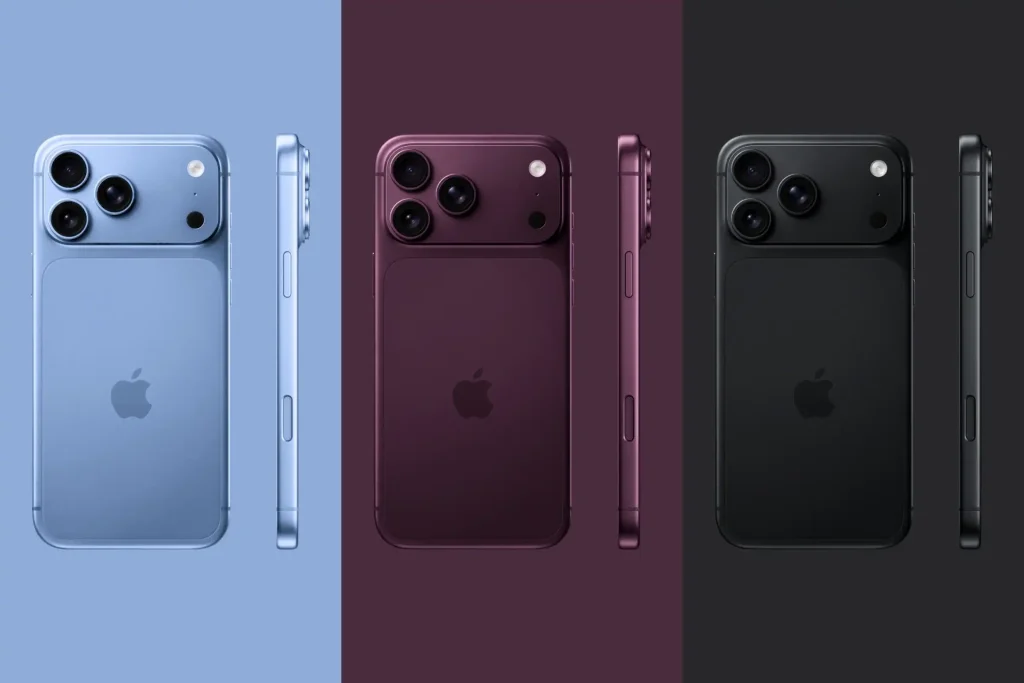
iPhone 18 Pro and iPhone 18 Pro Max

The more familiar lineup also got its expected upgrade, built around five key changes:

  • A20 Pro chip:  a 2nm chip with a Dual 16-core Neural Engine, roughly doubling on-device AI processing power.
  • Battery life: up to 36 hours of video playback on the iPhone 18 Pro and 45 hours on the Pro Max, Apple’s biggest battery-life leap on iPhone yet.
  • Smarter cooling: a redesigned vapor chamber with three times the surface area of last year’s, plus new graphite and copper materials, so performance holds up longer under heavy use instead of throttling.
  • Camera aperture:  a genuine variable aperture on the 48MP main camera, a first for iPhone, giving real hardware control over exposure and depth of field.
  • Siri AI: deeper Apple Intelligence integration across the system, including inside the Camera app itself.

Img Credit – macworld

Pricing did go up this year- ₹1,64,900 / ₹1,79,900 respectively, about ₹ 9500 more than last year’s models, with pre-orders opening September 12 and devices arriving in stores September 18.

Worth noting: there’s no standard iPhone 18, no iPhone 18e, and no iPhone Air 2 this cycle. Apple’s reportedly pushing those to spring 2027, so if you were waiting for a more affordable new iPhone, that wait just got longer.

Apple Watch Series 12 and Apple Watch Ultra 4

On the wearables side, the Apple Watch Series 12 picked up a new chip, all-day heart-rate tracking, an optional ceramic case, and a new ambient-sensing day-summary feature paired with a Readiness app, all without storing any audio, according to Apple.

Imge Credit – GSMarena

The Apple Watch Ultra 4 got a similar refresh, with longer battery life and a chip tuned specifically for the new Siri AI features. Notably, there was no new Apple Watch SE this round.

AirPods 5

Apple also refreshed the entry-level AirPods lineup. The new AirPods 5 start at ₹14,900 (₹17,900 with wireless charging case) and bring Active Noise Cancellation that cuts up to 50% more noise than the previous AirPods 4 ANC model. Battery life comes in at up to 5 hours with ANC on, and 22 hours total with the case. They also pick up Live Translation and hands-free Siri AI, features that now work across Apple’s whole AirPods lineup.

iOS 27 and the Software Side

Alongside the hardware, Apple confirmed iOS 27 arrives as a free update on Monday, September 14. The new Siri AI features launch in beta first in English, with French, Japanese, Korean, Portuguese, and Spanish rolling out in October.

What This Means If You’re Not Upgrading Right Away

Here’s the part that actually matters for most people: new iPhone prices went up again this year, and a lot of folks are going to sit this generation out, especially with the standard iPhone 18 pushed all the way to spring 2027. If that’s you, your current iPhone, Apple Watch, or AirPods still have plenty of life left, as long as they’re actually working the way they should.

This is usually the point where small, ignorable issues like a battery that doesn’t last like it used to, a cracked screen you have been meaning to deal with, a charging port that’s gotten fussy start to matter more. Since you are relying on the same device for a while longer. Fixing what you have already got is almost always more practical than jumping into a $1,199+ upgrade just because something minor stopped working right.

Got a device you are planning to hold onto a bit longer, but something’s not quite right with it? Get it checked out by Rapid Repair. Genuine parts, real diagnostics, and repairs that actually hold up, so your current iPhone, iPad, or Apple Watch can comfortably make it to whichever Apple event you decide to upgrade at.

Apple WWDC 2026: Everything That Happened – And Why It Matters for Your Devices

Apple WWDC 2026 Everything you need to know about

Apple just wrapped up WWDC 2026. If you missed it – don’t worry. Here’s everything that went down between June 8 and June 12 at Apple Park, Cupertino.

It wasn’t just any developer conference this year. Apple was proving something, and in the majority of cases, they did.

Whether it was with a newly-rebuilt Siri or sweeping changes across all platforms, iOS, macOS, watchOS, and now visionOS, this was Apple on fire on all cylinders. This one is for anyone who uses an iPhone, anyone who is a Mac fan, or anybody who wants to know whether or not they have to get the iOS 8.3 update.

What Is WWDC?

WWDC (Worldwide Developers Conference) is Apple’s annual conference where they announce new software updates for its devices, including iPhones, iPads, Macs, Apple Watch, Apple TV, and Vision Pro. The developer sessions continued through June 12, while the keynote launched June 8 at 10 a.m. PT.

Worth mentioning – this may have been Tim Cook’s final WWDC as CEO. He is expected to step down in September to be replaced by John Ternus, and he ended the keynote by stating that Apple’s journey was “the honor of a lifetime” for him.
Siri Finally Gets Smart

This was a key headline announcement. So, here comes Siri AI, and it’s a totally different type from the one you’ve been banging your head up against for years.

Siri AI, powered by Google’s Gemini model, understands personal context, knows what’s on screen, and provides real, conversational responses. As Apple VP Mike Rockwell put it: “Siri is now a wonderfully more capable assistant that gets you the information you need and gets you more done.

During a live demonstration, a person instructed Siri on how to get to a place they had seen in an Instagram photograph. Siri understood it and carried it out accordingly. It’s a real step up! A dedicated Siri chatbot app is also included, launching first in English.

iOS 27 – What’s New for iPhone Users

iOS 27 is fast. According to Apple, app launches are 30% faster, Photos opens up 70% faster, and Airdrop transfers are 80% faster. Even if in real life they are half as many, you’ll feel it.

Last year’s Liquid Glass theme remains, but now there’s also a personalization slider to reduce the opacity level if the design does not align with your taste. Shortcuts can be programmed with simple natural-language input – Siri can be instructed to automate tasks by stating what you are looking for. Parental controls have also been dramatically improved, allowing parents to fully control both apps and websites.

iOS 27 can run on all devices that previously ran iOS 26, the last successful operating system the company released.

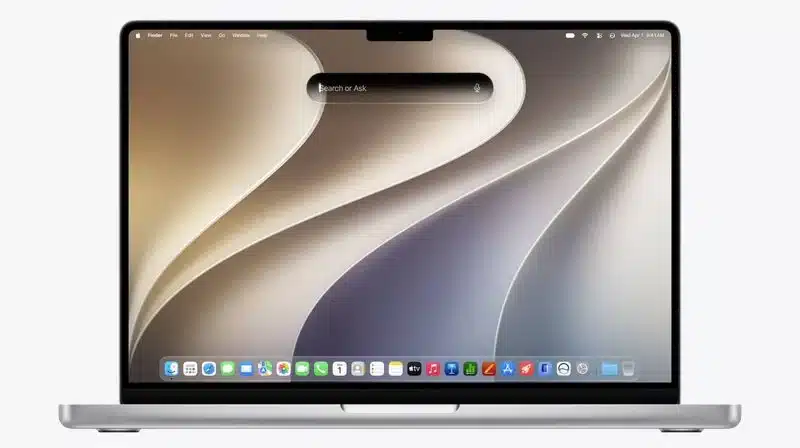
macOS Golden Gate

This update for the Mac has been called Golden Gate, and it’s the complete death of the Intel era. The whole OS is now Apple Silicon-based, and Apple Intelligence is integrated into it. Better performance, native apps are tighter, and it’s a whole lot nicer.

Image Source: macrumors.com

Everything Else

  • iPadOS 27 is the same as iOS 27 in terms of Siri AI, Apple Intelligence, parental controls, Liquid Glass improvements, and more.
  • watchOS 27 adds Workout Buddy, an AI health coach for fitness sessions, enhanced women’s health indicators, and a new gesture control feature to help people navigate without touching the volume slider.
  • visionOS 27 adds a 3D Siri you can actually converse with in your virtual space, along with a redesigned Control Center.

One important note: the most advanced AI features require newer hardware. iPhone 15 Pro or newer, and an M1 chip or newer for Mac and iPad. It is important to note that older devices are still receiving the update, but not all of the AI capabilities.

Bonus: The new iCloud Shared Albums feature will allow Android/Windows users to contribute photos too. The small change which is really useful.

Our Take – As a Repair Perspective

At RapidRepair.in, each one of Apple devices that passes through our hand is viewed. Honest advice: don’t rush the update. Older phones might suffer in certain respects regarding battery life with major iOS updates, particularly with AI functions active in the background.

Back up and then update. If your iPhone or Mac is already broken – battery life issues, cracked screen, sluggish performance, etc. – then fix it before you do anything else. A healthy device will have no problems with an update. An ineffective one fails to.

The developer versions are now available. Public betas drop in July. The full release will be accompanied by the new iPhone lineup in September.

Do you have an iOS 27 device, or an iOS that supports the new AI capabilities? Send us an e-mail or come to your local Rapid Repair Centre.

Apple iOS 26.3 Release Date, Features and Specifications

If you’ve ever tapped “Update Available” on your iPhone and hesitated, you’re not alone. Apple’s software updates usually go quietly, but every so often, a point release begins buzzing early — and iOS 26.3 is one of those. It’s not a complete overhaul like a major macOS or iPadOS update, but it brings a handful of meaningful improvements and groundwork for future changes.

Here’s everything you should know about the Apple iOS 26.3 release date, what it actually includes, and why it matters.

When is Apple iOS 26.3 Coming Out?

Apple has seeded the release candidate of iOS 26.3 to developers and public beta testers. A release candidate (RC) build is usually the final version before a public rollout, unless a last-minute issue is found.

Industry reporting suggests that the public release will likely happen in early February 2026, with some speculation pointing to the week beginning February 9.

So if you’re waiting for this update, it’s imminent — and it’s worth preparing your iPhone for it.

Source: Apple

What’s New in Apple iOS 26.3

This update isn’t about massive redesigns or headline features. Instead, it continues Apple’s pattern of polishing the system while adding useful tools and compliance improvements. Early reporting highlights the following additions as part of the Apple iOS 26.3 features lineup:

Android Transfer Tool

One of the most noticeable additions is a native tool that makes it easier to move data from an iPhone to an Android phone. This could include photos, messages, contacts, notes, and other essentials — all without needing third-party apps.

This is a big deal for people switching ecosystems, something Apple has never facilitated directly before.

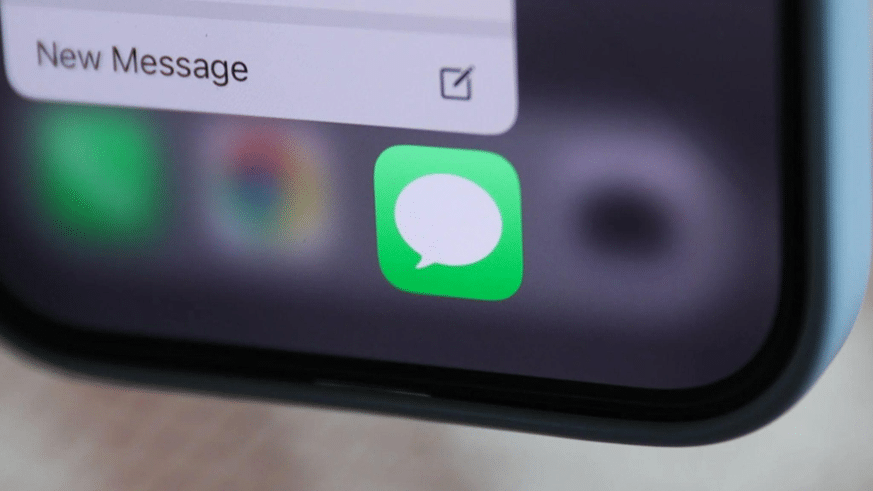
RCS Messaging Infrastructure

Apple appears to be laying the foundation for better support of RCS (Rich Communication Services) messaging — a protocol that lets iPhone and Android users communicate more like modern chats rather than old SMS. Early builds hint that end-to-end encryption for RCS may be supported in future, though carriers have to roll out network support too.

This doesn’t immediately change how your chats work, but it marks a step toward a more secure cross-platform messaging experience.

Wallpaper and Personalisation Tweaks

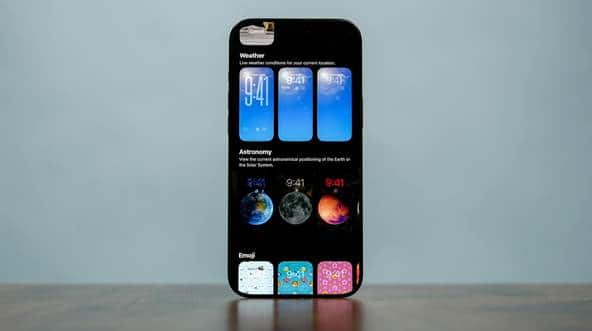
iOS 26.3 also separates weather-related wallpapers into a dedicated section and adds a few more customisation options. It’s a small change, but if you enjoy tweaking your visuals, it’s welcome.

Privacy Enhancements

Reports suggest Apple is introducing a “Limit Precise Location” setting to share only broad regional data with cellular carriers, enhancing user privacy without affecting emergency services access.

This feature gives users more control over the data that’s shared beyond apps.

Source: PCMag

What This Update Is Not

iOS 26.3 isn’t bringing a major redesign or a shift in how you use your iPhone every day. There are no new core system interfaces or major AI functions like the ones Apple introduced in earlier versions of iOS 26.

Instead, this update sticks to a theme of refinement, compliance, and groundwork for future moves Apple might make in messaging and cross-platform communication.

Supported Devices

Apple historically supports several years’ worth of iPhones in its updates, and iOS 26.3 follows that path. Devices compatible with iOS 26 will also work with iOS 26.3. That includes models from recent flagship generations as well as some older ones, covering a wide base of users.

  • iPhone SE (2nd generation and later)
  • iPhone 11 series: iPhone 11, iPhone 11 Pro, iPhone 11 Pro Max
  • iPhone 12 series: iPhone 12, iPhone 12 mini, iPhone 12 Pro, iPhone 12 Pro Max
  • iPhone 13 series: iPhone 13, iPhone 13 mini, iPhone 13 Pro, iPhone 13 Pro Max
  • iPhone 14 series: iPhone 14, iPhone 14 Plus, iPhone 14 Pro, iPhone 14 Pro Max
  • iPhone 15 series: iPhone 15, iPhone 15 Plus, iPhone 15 Pro, iPhone 15 Pro Max
  • iPhone 16 series: iPhone 16, iPhone 16 Plus, iPhone 16 Pro, iPhone 16 Pro Max, iPhone 16e
  • iPhone 17 series: iPhone 17, iPhone 17 Pro, iPhone 17 Pro Max, iPhone Air

How to Install the iOS 26.3 Update

Once Apple rolls it out publicly, installing the update is straightforward:

  1. Open the Settings app
  2. Tap General
  3. Go to Software Update
  4. Tap Download and Install if the update appears

Your iPhone will handle the rest. It might take several minutes, so it’s best to do it when you aren’t in a rush.

Source: Tom’s Guide

Read More – Apple Event Key Highlights – 2025

Should You Update Right Away?

That depends on how you use your iPhone.

If you rely on your phone for daily work or important tasks, it makes sense to wait a few days after release. Early adopters can flag bugs that Apple might patch quickly.

If privacy and data migration tools matter to you, installing relatively soon after release is reasonable. The Apple iOS 26.3 update brings meaningful groundwork that could affect how your device interacts with non-Apple systems.

iOS 26.3 isn’t a dramatic shift. It doesn’t overhaul the whole experience or wait for Apple’s next big announcement. But it represents thoughtful iteration — better tools for people switching from Android, improved controls for notifications and accessories, and a stronger privacy stance.

It’s the kind of update that doesn’t scream for attention, but quietly improves the platform most users already know well.

FAQs

1. Is iOS 26.3 a major update?

No. iOS 26.3 is a point release. That means it focuses on improvements, fixes, and system-level additions rather than a full redesign or brand-new interface.

2. When will iOS 26.3 be available for everyone?

Apple has already released the RC version to testers, which usually means the public rollout is just days away. Once Apple confirms stability, the update will be pushed automatically to supported devices.

3. Will iOS 26.3 affect battery life?

Early point updates sometimes cause short-term battery drain due to background indexing. This usually settles within a day or two. Long-term performance is expected to be more stable than earlier builds.

4. Do I need to back up my iPhone before updating?

It’s always a good idea. While iOS updates are generally safe, a backup ensures your data stays protected in case anything unexpected happens.

5. Will iOS 26.3 slow down older iPhones?

There’s no indication that this update reduces performance on supported models. Apple typically uses .3 updates to improve stability rather than introduce heavier system loads.

6. Is the Android transfer feature mandatory?

No. It’s optional. The feature simply adds flexibility for users who want to move data to an Android device. If you never use it, nothing changes for you.

7. Does iOS 26.3 change messaging between iPhone and Android right now?

Not immediately. The update lays the groundwork for better RCS support, but full functionality depends on carrier support and future updates.

8. Should I install iOS 26.3 immediately or wait?

If your iPhone is critical for work, waiting a few days is sensible. If you’re comfortable updating and value security fixes, installing it early is fine.

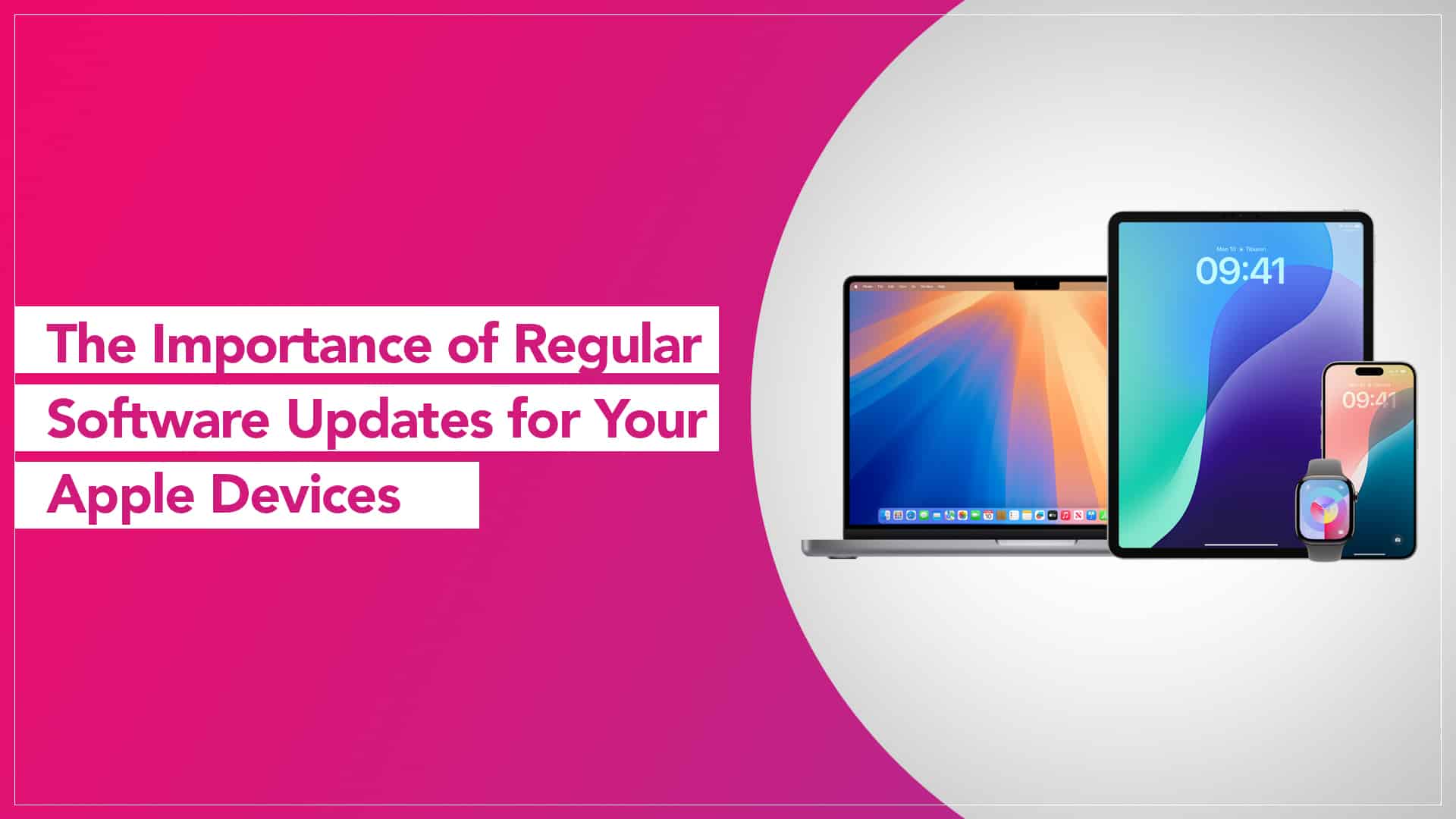
The Importance of Regular Software Updates for Your Apple Devices

We all know the notification — “A new update is available.” Most of us swipe it away, thinking, “I’ll do it later.” But those little updates are far more than just cosmetic tweaks or emoji additions. Regularly updating your iPhone, iPad, MacBook, or Apple Watch keeps your devices performing smoothly and protected from hidden issues.

That’s why Apple device software updates should never be ignored. They not only enhance performance and security but also often extend your device’s overall lifespan.

Why Software Updates Matter

Apple’s updates usually come packed with bug fixes, improved battery efficiency, performance boosts, and — most importantly — security patches. Without these, your device becomes vulnerable to malware or glitches that can slow it down.

Think of updates as routine health checkups for your devices. They ensure your Apple ecosystem functions seamlessly — whether that’s AirDropping files instantly or syncing your Notes between devices. These are the unseen yet powerful benefits of software updates for Apple devices.

Steps to Update Each Apple Device

Keeping everything up to date is easier than you might think. Here’s a quick breakdown for each Apple device:

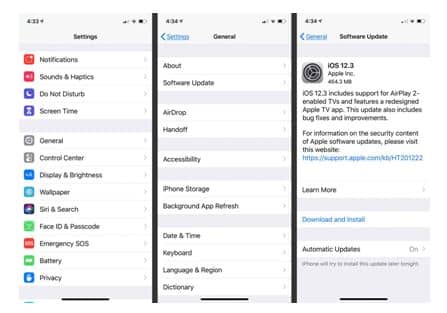
iPhone and iPad

  1. Connect your device to Wi-Fi and plug it into power.
  2. Go to Settings → General → Software Update.
  3. Tap Download and Install if an update is available.

Source: Apple Support

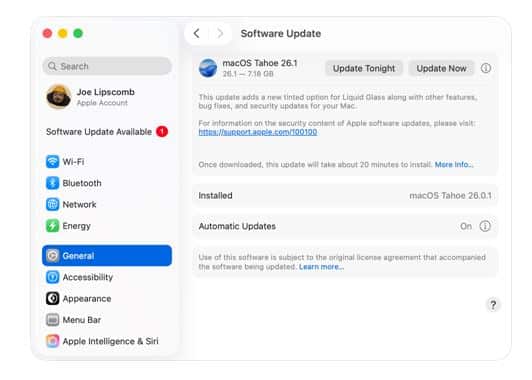
MacBook

  1. Click the Apple Menu → System Settings → General → Software Update.
  2. If an update is listed, click Update Now.
  3. Restart your Mac after installation.

Source: Apple Community

Apple Watch

  1. Keep your Watch on its charger and connected to Wi-Fi.
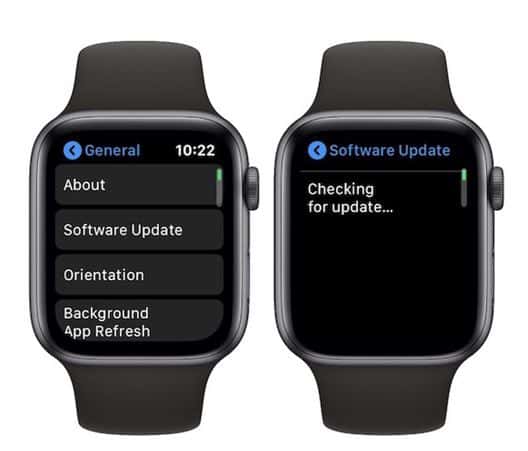
  2. On your iPhone, open the Watch app → General → Software Update.
    Tap Download and Install and wait for the Watch to update automatically.

Source: MacRumors

A Few Simple Maintenance Habits

Once you’ve updated, it’s worth adding a few easy Apple device maintenance tips to your routine:

  • Restart your devices at least once a week.
  • Clear unused apps and cache regularly.
  • Back up your data before every major update.
  • Keep at least 10–15% free storage to ensure smooth operation.

Software updates might seem minor, but they quietly ensure your devices run like new. It’s one of the simplest, most effective ways to protect your Apple devices — no tools, no repairs, just a few taps that make all the difference.

Read More – How Often Should You Back Up Your Devices?

FAQs on Apple Device Software Updates

1. How often should I check for Apple software updates?

Ideally, once every few weeks. Apple rolls out updates periodically, and keeping your devices updated ensures you’re protected from bugs, security flaws, and performance issues.

2. Will updating my Apple device delete my data?

No, your data remains safe during software updates. However, it’s smart to back up your iPhone, iPad, or Mac before updating — just in case something unexpected happens during installation.

3. Why is my device slower after an update?

Sometimes, a new update takes a few hours (or a day) to recalibrate background processes. If the lag continues, restart the device or clear unnecessary apps and cache.

4. Can I skip updates if my device is working fine?

You could — but it’s not wise. Skipping updates means missing out on critical security fixes and performance enhancements that keep your device stable in the long run.

5. Do older Apple devices still get updates?

Yes, though not forever. Apple typically supports devices for 5–6 years. After that, your device might stop receiving major updates, but it will still run safely with its current OS.

6. Can I schedule automatic updates on Apple devices?

Yes. On iPhone, iPad, and Mac, you can turn on automatic updates from the “Software Update” settings so your device installs new versions overnight while charging.

Behind the Warranty: What Our Lifetime Warranty Really Means for You

When you hand over your iPhone, iPad, or MacBook to a repair centre, you’re placing more than just a device in their hands — you’re trusting them with a part of your digital life. At Rapid Repair, we’ve built our reputation on one simple promise: not just to fix your Apple device, but to stand by our work long after the job is done. That’s where our Lifetime Warranty on Phone Repair comes in — a commitment that sets us apart from the rest and gives you real peace of mind.

What Does “Lifetime Warranty” Actually Mean?

Let’s face it: “lifetime warranty” is a phrase you see everywhere, but it often hides behind fine print. At Rapid Repair, it doesn’t. When we say lifetime, we mean that for as long as you own your device, the part we’ve replaced is protected against manufacturing defects or workmanship faults. If your repaired iPhone screen, camera, or charging port develops the same issue again, we’ll fix it — no questions asked.

It’s important to note that this coverage applies to the specific component we replaced, not the entire device. So if we repair your iPhone’s speaker and a year later the screen fails, that’s a new repair, not a repeat claim. Simple, transparent, and fair — that’s how we operate.

What’s Covered and What’s Not

Here’s where honesty matters. Our Rapid Repair Warranty Details clearly explain what’s covered and what’s excluded. All genuine parts we install for iPhones, iPads, and Apple Watches come with a lifetime warranty — except for batteries, which have a one-year warranty since they’re consumable components by nature.

The warranty covers defects in the part or in our workmanship. It does not cover accidental or liquid damage, general wear and tear, or issues caused by third-party accessories like faulty chargers. For instance, if a charging port stops working due to power surge damage, that falls outside the warranty. But if the same port we repaired fails because of a manufacturing fault, we’ll fix it without hesitation.

Source: Apple

Why It’s a Big Deal

For most users, Apple repairs outside warranty can be painfully expensive — and often, third-party repair shops don’t provide any guarantee beyond 30 or 90 days. That’s why a lifetime warranty changes everything. It gives you long-term confidence in the quality of the repair and ensures your money is well spent.

The Benefits of a Lifetime Warranty go beyond financial security. It also means you’re dealing with professionals who take accountability seriously. We’re not here for quick fixes or temporary patches; we’re here to restore your device to factory-like condition and keep it running smoothly for years.

Source: Apple

How to Claim the Warranty

If the same issue reappears, claiming your warranty is easy. Just reach out to us using the phone number or email ID linked to your original repair. Our team will verify the repair record and arrange a pickup or inspection, depending on your location. In Delhi NCR, our doorstep service ensures we can often handle your warranty claim in a single day.

No paperwork. No complicated claims process. Just quick, transparent service — exactly how a modern repair experience should be.

Read – Genuine Parts vs. Generic Parts: What’s Inside Your Device Repair?

Why Rapid Repair Stands Out

Our commitment to quality doesn’t end at the repair desk. Every part we use undergoes strict quality testing, and every technician on our team is Apple-certified or has extensive experience with Apple hardware. Add to that our promise of genuine parts, doorstep convenience, and a lifetime warranty — and you have a service that’s not only reliable but also redefining industry standards in India.

When you see that little “Lifetime Warranty” tag on your repair, know that it’s not just marketing. It’s a reflection of our confidence in the precision of our work and the authenticity of the parts we use.

In an industry where temporary solutions are the norm, our lifetime warranty represents permanence — a promise that your trust won’t expire after a few months. Whether it’s an iPhone screen replacement, a MacBook logic board repair, or an Apple Watch service, we’ll back it for life.

Source: Reddit

At Rapid Repair, we believe great service doesn’t end with a successful fix — it continues for as long as your device lives. That’s the real meaning of “Behind the Warranty,” and it’s what keeps thousands of customers coming back with confidence.

Frequently Asked Questions (FAQs)

1. Does the lifetime warranty cover accidental or water damage?

No. The warranty only covers defects in the replaced part or workmanship. Any new accidental or liquid damage is not included.

2. How long is the warranty valid?

For as long as you own the device that was repaired by Rapid Repair. If you sell or transfer ownership, the warranty does not carry over.

3. Are all parts covered under lifetime warranty?

All genuine parts, except batteries, are covered. Batteries come with a one-year warranty since they are naturally consumable components.

4. What if the same issue happens again after a year?

f it’s the same issue related to the part we repaired, your lifetime warranty covers it — no matter how long it has been.

5. How do I claim my warranty?

 You can call or email our support team with your repair details. If you’re in Delhi NCR, our doorstep pickup and drop service makes the process fast and convenient.

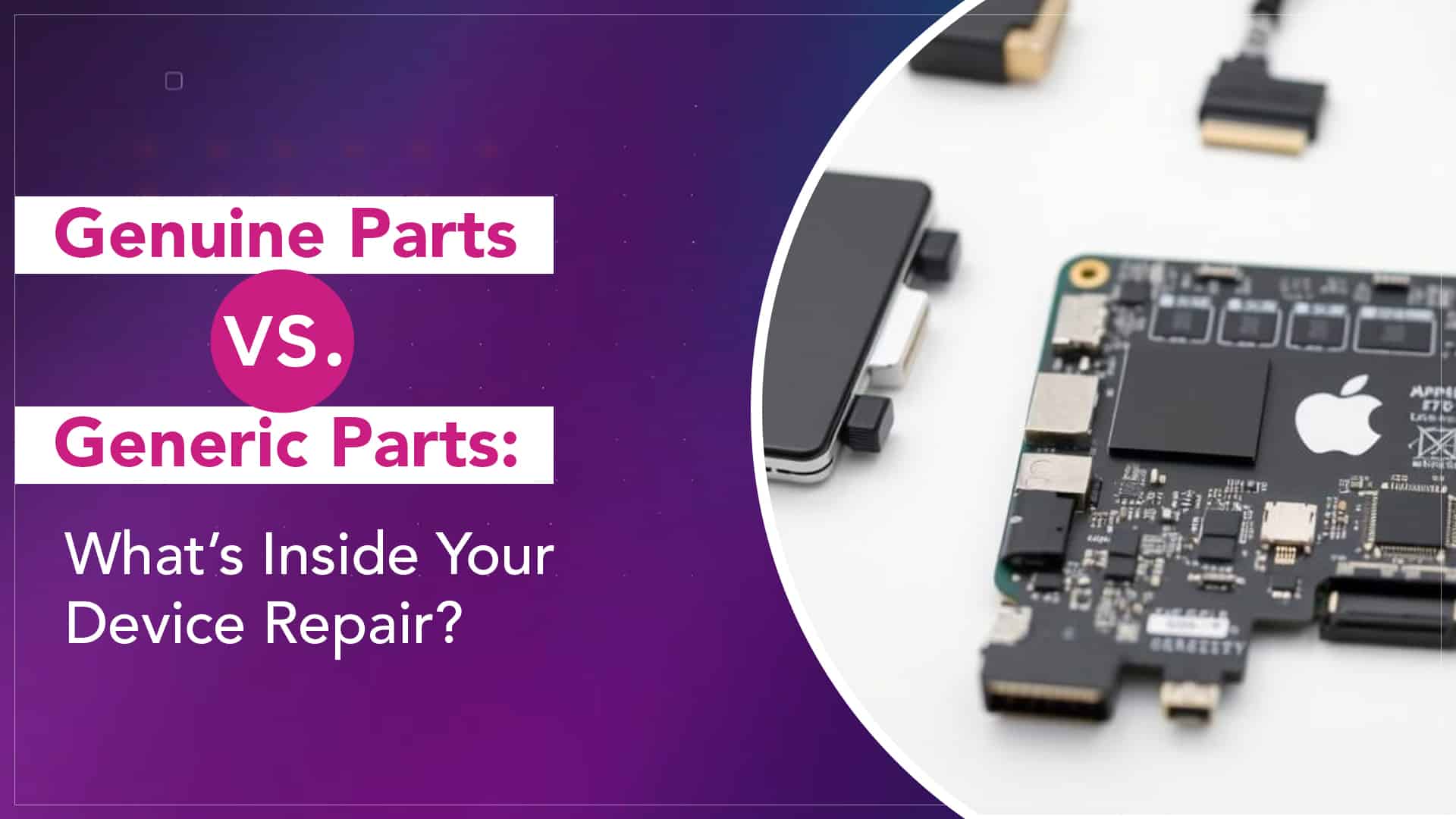
Genuine Parts vs. Generic Parts: What’s Inside Your Device Repair?

When your phone’s screen cracks, battery swells, or camera fails, you’re already in a stressful spot. The last thing you want is to walk out of a repair shop only to find out they installed low-quality parts that degrade faster, or worse, harm your device. That’s why understanding the difference between certified repair parts and generic/aftermarket replacements is more important than you think.

Whether you’re a tech enthusiast or just someone who wants reliable service, here’s what you should know before letting anyone crack open your device.

What Do “Genuine” or “Certified” Parts Mean?

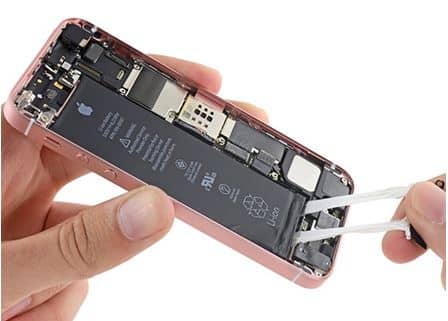
“Genuine parts” refer to components made or approved by the original manufacturer (Apple, in our context). These parts match the original design, tolerances, and materials and are built to meet the same standards as the ones in your new device.

When a repair shop claims to use certified repair parts, they’re saying the parts are either OEM (Original Equipment Manufacturer) or authorised/spares that meet the original specs. These parts tend to be costlier. But there’s a reason for that.

For example, Rapid Repair states they only use genuine spare parts, and they support each repair with a lifetime warranty (except batteries, which get 1 year) to back their confidence in quality.

Source: Hot Hardware

What Are Generic or Aftermarket Parts?

Generic or aftermarket parts are made by third parties, not by or for the original device maker. They may look similar, but they often cut corners in materials, tolerances, or testing. Sometimes they’re fine for low-impact components, but in high-precision devices like smartphones or watches, the risks add up.

You might see these come in as “cheap replacements,” “copy parts,” or even “compatible parts.” That’s where the phrase aftermarket parts risks comes into play. You’re trading price for uncertainty.

Why Genuine Parts Matter

Here are the benefits of genuine parts in a repair:

  1. Fit and compatibility
     Genuine parts are designed for your model. They fit snugly, align correctly, and avoid misalignment or tension that can damage connectors or flex cables.
  2. Optimal performance
     You’ll get the expected brightness, battery life, sensor accuracy, signal strength, and durability. Aftermarket parts may degrade faster or never reach full capacity.
  3. System integrity & warnings
     In Apple devices, non-genuine parts can trigger warning indicators (like “Unknown part installed”) in iOS or limit certain features. Genuine parts generally avoid those flags.
  4. Longer life & reliability
     Because they use better materials and tighter manufacturing tolerances, genuine parts resist issues like corrosion, warping, or early failure.
  5. Warranty and trust
     Repair providers using genuine parts can confidently back their work with stronger warranties. Rapid Repair, for instance, offers a lifetime warranty for most parts.

Read More – The New iOS 26 – Features and Facts You Must Know About

The Risks of Cheap Alternatives

When shops use aftermarket or generic parts, here’s what you might face:

  • Shortened lifespan: cheap adhesives, circuits, or coatings can fail sooner.
  • Inconsistent performance: screen artefacts, battery swelling, or weak sensors.
  • Device instability: mismatched voltage or resistance can damage surrounding components.
  • No warranty: shops using budget parts often can’t stand behind their work.
  • Loss of resale value: When someone inspects the device, non-genuine parts reduce your credibility and value.

That is exactly why aftermarket parts risks shouldn’t be overlooked when you compare quotes.

How to Know What Parts Are Being Used

Source: Apple Support

Here’s how you can protect yourself:

  • Ask the repair service explicitly whether they use genuine / OEM / certified parts. Demand clarity.
  • Check warranty terms: if they offer a lifetime or strong warranty, that’s a backup indicator of quality. Rapid Repair’s terms show they provide a lifetime warranty on most parts, and a 1-year warranty on batteries.
  • Request before/after photos of the part.
  • Watch for system warnings after repair — some devices alert you when parts are non-genuine.
  • Choose reputable repair providers who publicise their parts policy and stand behind their work.

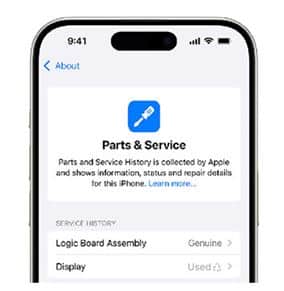
Apple has made it quite simple to check whether your iPhone’s parts — like the battery, display, or camera — are genuine or not. Here’s a step-by-step guide:

1. Go to Settings

Open Settings → tap on General → then tap on About.

2. Look for “Parts and Service History”

If your iPhone has ever had a part replaced, you’ll see a section titled “Parts and Service History.”
This section appears only on iPhones that support part verification (explained below).

3. Check What’s Listed

Depending on your model, you’ll see one or more of the following:

  • Battery
  • Display
  • Camera

If all components are genuine Apple parts, it will show:

  • “Genuine Apple Part”

If a part has been replaced with a non-genuine or unknown one, it will show:

  •  “Unknown Part”

When Generic Parts Might Be Acceptable (with Caution)

Yes, there are a few edge cases:

  • Non-critical parts — buttons, simple covers, or back glass (if the function isn’t affected) may tolerate good-quality generic substitutes.
  • Low-budget repairs — if your device is very old and you don’t mind reduced longevity, a cheaper solution may be better than no repair.
  • Temporary fixes — to limp your phone until you can go for a high-quality repair.

But even then, know the trade-off you’re accepting.

When your device enters a repair shop, the parts they use can make or break your experience. With certified repair parts or genuine parts, you’re paying for performance, longevity, and reliability, not just a quick fix. Ignoring the aftermarket parts risks might save you a few rupees now, but can lead to bigger headaches down the line.

Source: Android Authority

Trust matters just as much as technical skill. Choose repair providers who commit to quality parts and back them with clear warranties. Your device and nerves will thank you.

Read More – Top 5 DIY Fixes You Should Never Try At Home

FAQs

Q: Does using genuine parts really make a noticeable difference?

A: Yes. Especially in delicate components — screens, cameras, batteries, sensors — the difference shows in image clarity, sensitivity, battery life, and device stability.

Q: Will I be told if a part is generic or aftermarket?

A: A trustworthy repair shop will disclose that. If they don’t, assume risk and ask directly.

Q: Do non-genuine parts void my repair warranty?

A: Often yes. Many repair providers refuse warranty on work done with non-genuine parts.

Q: If a genuine part costs much more, is it always worth it?

A: In most cases, yes — especially for flagship devices. The longer life and peace of mind usually justify the higher price.

Q: How long does a warranty last on genuine parts?

A: It varies. Some shops, like Rapid Repair, offer a lifetime warranty on most parts (excluding batteries).

The New iOS 26 – Features and Facts You Must Know About

All About about iOS 26 Apple

Everything about iOS 26: Apple Intelligence, new features, real-world user problems, and whether you should update now. Get the full breakdown.

Source: Apple

iOS 26 is here, and like every big update, it comes with a mix of excitement, confusion, and a few “why is my phone acting like this?” moments. Apple has packed in some genuinely impressive features, but real users are already pointing out the rough edges. Let’s break it down the smart way—what’s new, what’s cool, and what’s giving people headaches.

Read – Apple Event Key Highlights – 2025

What’s New in iOS 26?

Apple clearly wants to blur the line between your iPhone, Mac, and Vision Pro headset. iOS 26 takes a big step in that direction with a bunch of upgrades:

  • Apple Intelligence (AI with a twist): Not just another AI, but Apple’s “on-device, private-first” assistant. Think writing suggestions, smart summaries, and image editing baked into your apps—without your data running off to the cloud. Apple Intelligence isn’t live here yet. Indian users who upgrade won’t see the new AI features until Apple rolls them out region by region.
  • Genmoji & Image Playground: Because regular emojis were too basic, now you can create personalised “Genmojis” or whip up custom visuals in Messages. Meme makers just got a new playground.
  • Siri 2.0 (finally smarter): Siri got a long-awaited upgrade. You can now type to Siri, ask for context-aware tasks, and expect fewer “Sorry, I didn’t get that” responses.
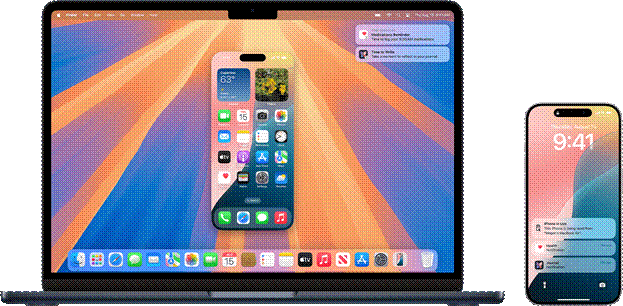
  • iPhone Mirroring: Your iPhone screen now shows up on your Mac. Perfect for pretending to “work” while checking Insta.
  • Notifications on Mac: No more juggling devices. Get iPhone alerts straight on your laptop.
  • Passwords App: A proper app (finally!) that stores all your logins, Wi-Fi passwords, and 2FA codes in one place. Goodbye, messy Notes app hacks.
  • Messages Upgrade:
    • Schedule messages.Add effects inline.Tapbacks with any emoji.
  • And yes, RCS support—green bubble drama slightly reduced.
  • Safari Highlights: Automatic webpage summaries, smarter Reader mode, and AI-powered highlights. Basically, your lazy way out of long reads.
  • Photos Overhaul: Cleaner design, new “Collections” that auto-sort by themes, and better search. Your 2016 memes won’t haunt you as much.
  • Other gems: Redesigned Control Centre, improved Mail app with digest summaries, smarter Health and Journal apps, and deeper integration with Vision Pro.

Source: Apple Support

iOS 26 vs Older Versions

Is it a big leap? Yes and no.

  • Compared to iOS 17/18, the AI-driven features are a huge shift. Apple finally caught up to the AI craze.
  • But if you strip away Apple Intelligence, the other updates (Photos redesign, Messages tweaks, Safari improvements) feel more like refinements than revolutions.

Pros of iOS 26

  • A real AI that respects privacy.
  • iPhone + Mac integration is smoother than ever.
  • Passwords app eliminates the need for third-party managers.
  • Messages finally catch up to modern texting standards.
  • The Photos app is actually usable for once.

Cons of iOS 26

  • Bugs, glitches, and more bugs. Early users report overheating, battery drain, random freezes, and Wi-Fi drops.
  • Apple Intelligence is not available on all iPhones—only the newer ones with A17 Pro and M-series chips get the full deal. Translation: your old iPhone won’t feel very “intelligent.”
  • Some users say Siri still stumbles despite the facelift.
  • RCS support is there, but don’t expect it to magically fix Apple-Android messaging wars.

Source: Apple

Who Should Update to iOS 26?

  • The Curious Ones: If you love being the first to try new features, go for it. Just be ready to tolerate some bugs.
  • iPhone + Mac Users: If you live in the Apple ecosystem, the mirroring and notification sync are game-changers.
  • Privacy Enthusiasts: Apple Intelligence is worth it if you’re tired of AI tools mining your data.
  • Casual Users on Older Devices: Maybe wait a few updates. No point trading stability for features you won’t even get.

Real Problems Users Are Facing

Scrolling through Reddit and Apple Community forums shows a common theme: iOS 26 feels half-baked right now.

  • Battery Drain: Phones are heating up, and the battery is dropping faster than ever.
  • Connectivity Issues: Wi-Fi and Bluetooth are cutting out randomly.
  • App Crashes: Especially third-party apps not yet optimised for iOS 26.
  • Lag & Freezes: Even newer iPhones aren’t immune.

So yes, Apple gave us smarter AI, but also gave us flashbacks of iOS 13’s rocky start.

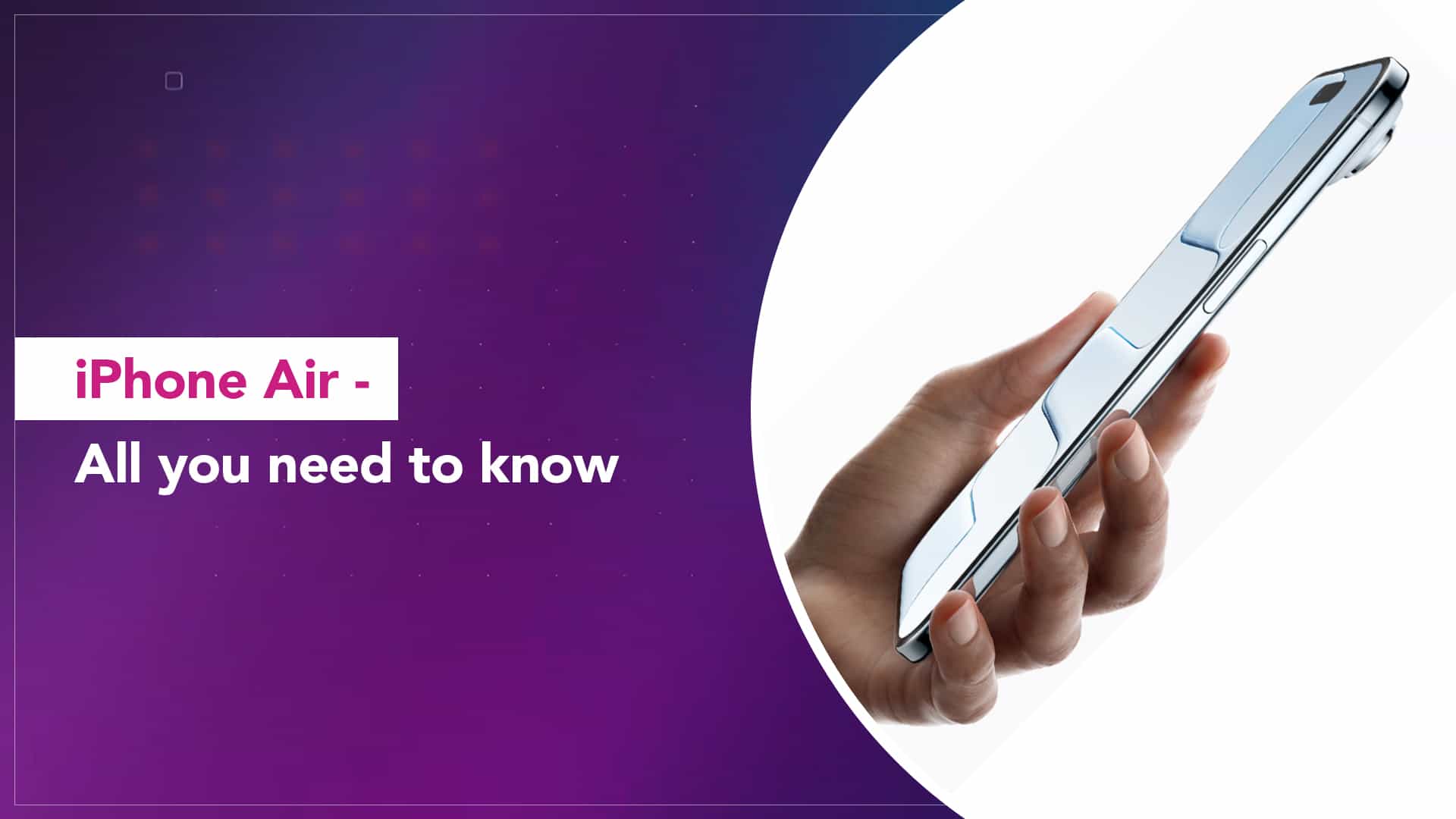
Read – iPhone Air – All You Need to Know

FAQs About iOS 26

Will my old iPhone support Apple Intelligence?

No. Only the iPhone 15 Pro, 15 Pro Max, and newer models with A17 Pro or M-series chips can use all AI features.

Is iOS 26 safe to install now?

It’s stable enough for daily use, but early bugs are real. If you can’t risk downtime, wait for iOS 26.1.

Does iOS 26 finally support RCS?

Yes. But don’t expect miracles—green bubbles are still green.

Can I downgrade if I hate iOS 26?

 Yes, but only while Apple is still signing the older version. That window closes quickly.

iOS 26 is ambitious. Apple finally dipped its toes into AI in a way that feels useful and not creepy. But like every big update, it’s not flawless. The features are tempting, but the bugs are frustrating. If you’re the adventurous type, dive in. If not, let others test the waters and jump in later when it’s less glitchy.

iPhone Air – All You Need to Know

The new iPhone Air is the talk of the tech town! The fans across the world are yet to put their hands on this extremely stylish iPhone, but curiosity is at its peak. By now, we are all aware that it is the thinnest iPhone yet. But is that all? No. It is the power within that thin body that actually matters. And how will that power empower you? Well, you can decide that for yourself after knowing what’s inside.

Here, you will find the latest iPhone Air features and all the information you need to know about this new technology.

iPhone Air overview

As the name suggests, the iPhone Air is extremely thin and light. Yet, it is loaded with some really impactful features. Here are some key highlights about the gadget that will help you to understand it inside out.

Source: Apple

iPhone Air design & build

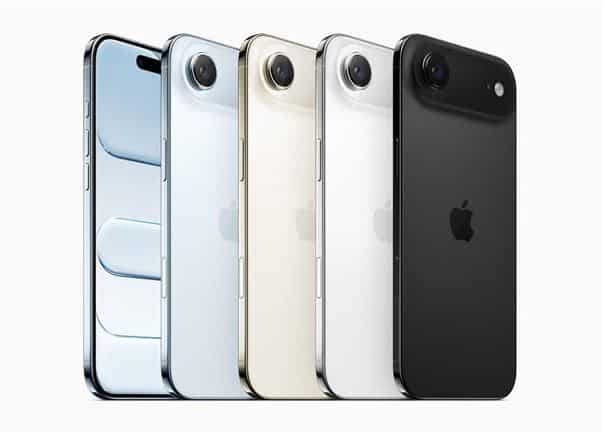
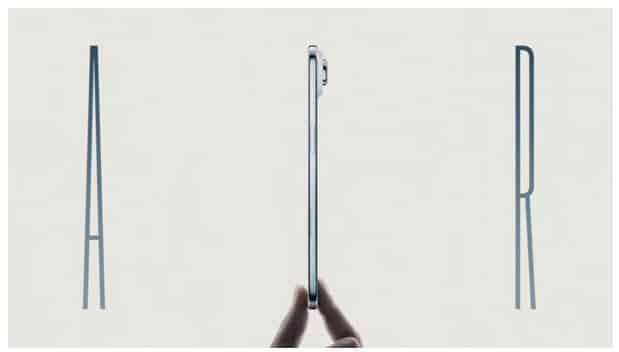
The iPhone Air is just 5.6 mm in thickness and weighs just 165 grams. But don’t think it’s fragile, as it is made of a grade 5 titanium frame, with ceramic shields on the front and the back. The frame is polished to a pristine mirror finish. At the backside, a single camera is placed on a plateau. On the sides, there are the Action Button, the Camera Control Button, the Volume Buttons, and the Power Button. There’s a USB-C port on the bottom. As of now, the iPhone Air is available in Sky Blue, Light Gold, Cloud White, and Space Black colour options.

iPhone Air display

The iPhone Air comes with a 6.5-inch Super Retina XDR display. The Promotion technology in the display offers a refresh rate of 120Hz, ensuring smoothness even during heavy graphics gameplay. The peak brightness of the display is up to 3000 nits, which will ensure the best screen visibility in sunny outdoors. The Always-On display can now adjust down to 1Hz when not in use. The display is protected by the Ceramic Shield with an anti-reflection coating for reduced glare.

iPhone Air performance

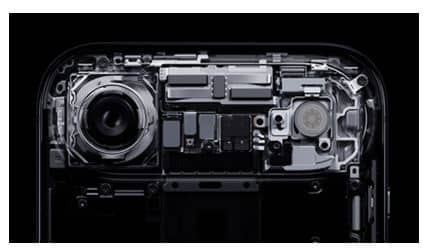
The iPhone Air is powered by the latest chip from Apple Silicon, the A19 Pro. The 6-Core CPU, which includes 2 performance cores and 4 efficiency cores, is the fastest in any smartphone. The 5-Core GPU is also upgraded with Unified Image Compression and 2nd Generation Dynamic Caching, for next-level mobile gaming and running generative AI models. In fact, to handle GPU-intensive AI workloads, each GPU core is supported by a built-in Neural Accelerator.

The iPhone Air also features the N1, an Apple-designed networking chip that enables better connection to wireless technologies like Wi-Fi 7, Bluetooth 6, and Thread. It also improves the reliability of features like Personal Hotspot and Dropbox.

Finally, let’s talk about the new cellular modem that has been used in the iPhone Air, the latest C1X. Not only is it 2x faster than its previous generation, it also uses 30 per cent less energy.

iPhone Air camera system

Excellent camera quality has always been a signature iPhone feature, and the iPhone Air is no exception. The single camera on the back of the iPhone Air is a 48 megapixel fusion camera system. It works like multiple advanced cameras in one. The 48 MP camera, which comes with a 26mm focal length, also doubles as a 12 MP 12x Telephoto camera with a 52mm focal length. There are options to customise lenses into 28mm and 35mm, giving the freedom to use the equivalent of four lenses. Plus, features like 24 MP photos by default, an updated Photonic Engine that uses machine learning to capture life-like details, and sensor shift optimised image stabilisation for low-light photography, will deliver professional-level photos. The iPhone Air can also capture video in 4K 60 FPS Dolby Vision, with Spatial Audio for immersive listening. It also enables recording in Action Mode to capture fast actions.

The 18 MP Centre Stage front camera expands the field of view and rotates from portrait to landscape with a single tap. This can help you take a selfie of a large group of friends without moving the iPhone.

But the best upgrade is the new Dual Capture Video feature, which enables recording video simultaneously from both the front and the back camera.

Source: Apple

iPhone Air battery & charging

Apple claims that the iPhone Air is built to provide a great battery life. The internal design was crafted to maximise battery space. Apple Silicon has also designed the chips used in the iPhone Air for great battery efficiency. It can be charged up to 50% within 30 minutes, and it offers up to 27 hours of video playback in one single battery cycle. The new iOS 26 also comes with an Adaptive Power Mode that reads a user’s battery consumption pattern and assumes when the power might run low. It intelligently conserves the power accordingly to help them get through the day.

iPhone Air Connectivity

The iPhone Air activates with e-SIM only. There’s no slot for a physical SIM card. This has been done to probably save space. While e-SIM is not a new concept in India, with all the major carriers providing it, it is not widely used as of now. But it will not impact the user experience of iPhone Air, as e-SIM comes with its own set of advantages. Also, a few features of iOS 26 will help users manage the e-SIM more efficiently.

Read More – Affordable iPhone 15 Pro Screen Repair in India You Can Trust

iPhone Air price and release date in India

The iPhone Air price in India starts from ₹1,19,900/- for the 256GB variant. It will be available online and in stores from 19th September. The 512GB version is priced at ₹1,39,900/-, and the 1TB version will be available for ₹1,59,900/-.

Source: Beebom

iPhone Air vs Other iPhones

The iPhone Air stands out in Apple’s lineup not just because of its slim profile, but also due to its strategic balancing of performance, portability, and price. Compared to the iPhone 16 Pro and iPhone 16 Pro Max, the Air is lighter, easier to handle, and more travel-friendly. While the Pro models pack extra camera features and advanced sensors, the iPhone Air brings most of the performance upgrades like the A19 Pro chip and the new networking technology without making compromises on speed or reliability.

When compared to the standard iPhone 16, the Air offers a better display with ProMotion, a much more powerful GPU, and a titanium frame that’s both lightweight and durable. The camera system, although single, delivers impressive versatility that beats entry-level models.

Simply put, the iPhone Air bridges the gap between ultra-premium and mainstream users. It’s for those who want top-tier performance without carrying extra bulk—or paying for features they don’t need.

Pros and Cons of the iPhone Air

Pros

✔ Extremely lightweight and slim – easy to carry and use

✔ Grade 5 titanium frame makes it durable without adding weight

✔ A19 Pro chip offers best-in-class performance and gaming experience

✔ Impressive camera system with fusion tech and customizable lenses

✔ Fast charging and excellent battery management

✔ e-SIM support makes the device sleek and modern

✔ Affordable compared to Pro models without sacrificing performance

Cons

✘ Single rear camera may not satisfy photography enthusiasts

✘ No physical SIM slot—e-SIM adoption is still growing in some regions

✘ Lacks advanced LiDAR or extra sensors available in Pro versions

✘ Higher starting price compared to standard iPhone models

Who Should Buy the iPhone Air?

The iPhone Air is designed for users who want a premium experience without overpaying for extra hardware. If you’re someone who values portability, style, and performance, this is an ideal choice. It’s perfect for content creators who need smooth video playback and powerful processing on the go, gamers who want lag-free experiences, and professionals who prefer a lightweight smartphone without compromising on power.

It’s also great for travelers and students who want a device that’s easy to carry yet packed with future-ready features. However, if you need advanced photography tools or prefer having multiple cameras and sensors, you might want to explore the Pro models instead.

Read More – iPhone Motherboard Repair: Fixing Logic Board Issues & More

FAQs

Q1. Does the iPhone Air support wireless charging?

Yes! The iPhone Air supports MagSafe and Qi-certified wireless charging up to 15W for hassle-free power-ups without cables.

Q2. Can I use both e-SIM and a physical SIM at the same time?

No. The iPhone Air only supports e-SIM, and there’s no physical SIM slot. However, you can store multiple e-SIM profiles and switch between them easily using iOS 26.

Q3. Is the iPhone Air water-resistant?

Yes, it comes with an IP68 rating, which means it can withstand being submerged in up to 6 meters of water for 30 minutes without damage.

Q4. Will iPhone Air receive iOS updates for many years?

Absolutely. Apple typically supports its devices with iOS updates for 5–6 years, and the iPhone Air is expected to receive new updates throughout that period.

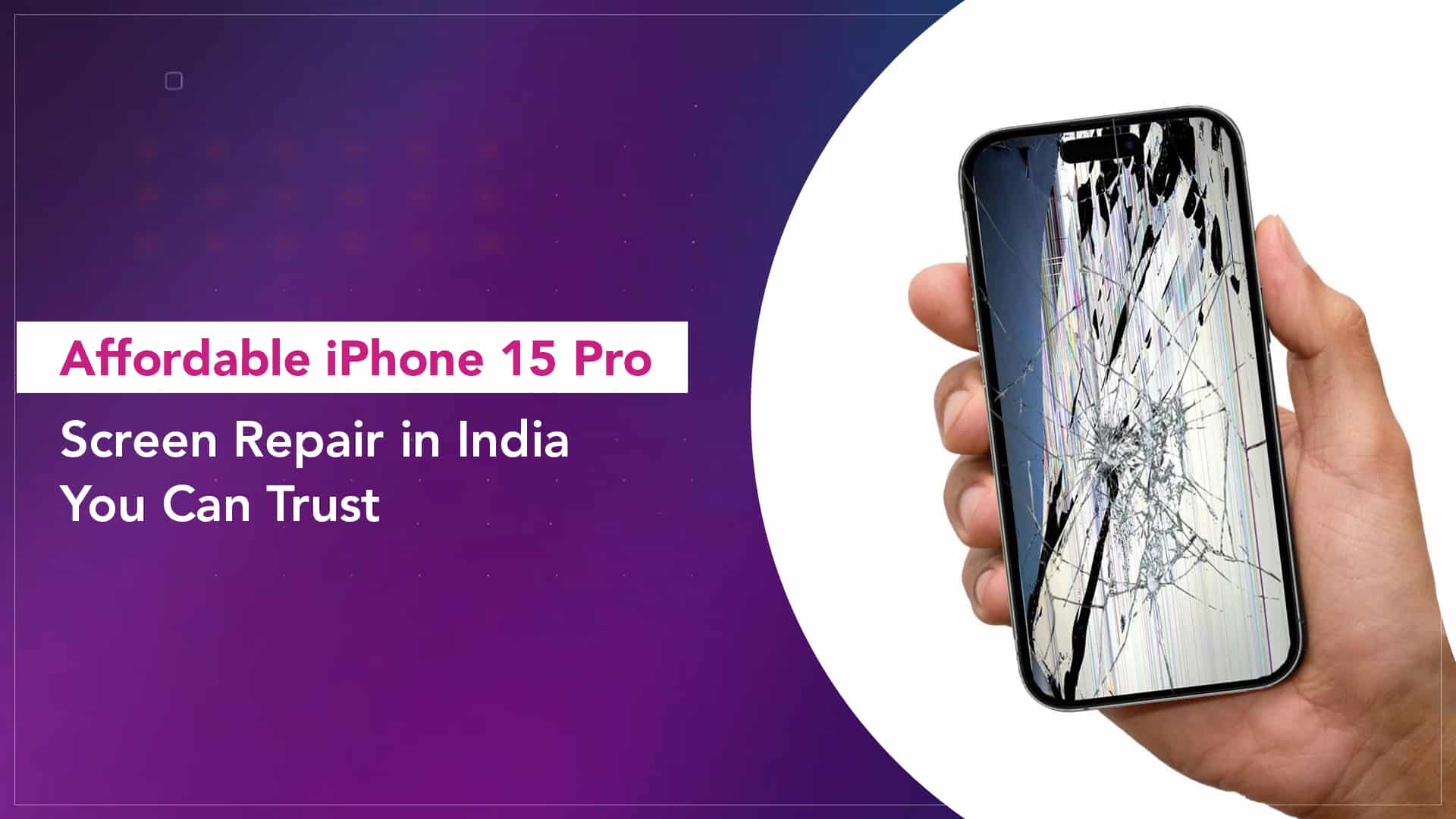
Affordable iPhone 15 Pro Screen Repair in India You Can Trust

Let’s be honest — replacing the screen of an iPhone 15 Pro can feel like a punch to the wallet. If your warranty has expired and you walk into an Apple Store or an authorised service centre, you’ll be shocked by the cost. It’s no surprise that many users seek local repair shops, hoping for more affordable iPhone 15 Pro Screen Repair in India. But that comes with its own set of risks — unreliable service, poor-quality parts, and technicians without the required expertise.

So, why is it so expensive to replace the iPhone 15 Pro screen? It’s not just about swapping out the glass and the display. The screen is built with cutting-edge technology, and replacing it demands both precision and the right tools. Not to mention, using genuine OEM parts — the exact components that Apple designs and tests — adds to the cost. This isn’t a simple job you can hand over to any technician. It’s a task that requires specialist skills, and that’s what makes it worth every penny when done right.

Why Does Replacing an iPhone 15 Pro Screen Require the Best Skill?

The iPhone 15 Pro’s screen is one of the most advanced display panels Apple has ever produced. With ProMotion technology, HDR support, and super bright OLED layers, it delivers stunning visuals and silky-smooth responsiveness. But it’s not just about pretty pictures — the screen also holds delicate components like the TrueDepth camera sensors and the powerful touch-sensitive layer that helps your phone react instantly to every tap and swipe.

Source: Rapid Repair

Inside the screen assembly, you’ll find connectors and circuits designed to handle everything from brightness adjustments to face recognition. A tiny mistake during the replacement process can easily damage these components or affect the screen’s performance.

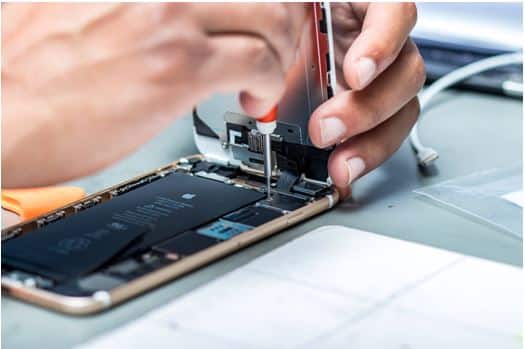
Replacing the iPhone 15 Pro’s screen is a delicate and precise task that begins with carefully removing the phone’s back and front panels using controlled heat and specialised tools — a step made challenging by the titanium frame and strong adhesives that can easily crack or bend if not handled right. Once opened, the technicians disconnect ultra-fine cables and connectors that control touch, brightness, and colour accuracy, using magnification tools and precision screwdrivers to avoid any damage. The screen, sealed with industrial-strength adhesive for durability and water resistance, is then gently loosened without disturbing the internal parts, keeping the phone’s structure intact. After removing the old screen, a genuine OEM replacement is installed to ensure everything — from touch response to colour calibration and brightness — functions exactly as it should.

The process is completed with thorough testing and calibration, where brightness levels, colour accuracy, touch sensitivity, and face recognition sensors are checked to confirm the screen works flawlessly, just like new.

  • A mishandled screen replacement can cause permanent damage
  • Aligning the display and connectors requires high precision
  • Correct calibration is crucial for optimal performance
  • Water resistance and durability must be restored perfectly

That’s why only trained professionals at certified repair centres should handle an iPhone 15 Pro screen replacement.

Read More – iPhone 17 Pro – What’s Coming Our Way and When?

Rapid Repair – Your Trusted, Affordable iPhone 15 Pro Screen Repair Solution

If you’re worried about both cost and quality, you’re not alone. Fortunately, Rapid Repair offers a reliable, affordable solution for iPhone 15 Pro screen repairs without compromising on expertise or parts. Here’s why so many users trust Rapid Repair:

  • Fastest turnaround time – Get your phone fixed quickly without the long wait.
  • Free Doorstep Pickup & Delivery Across India – We collect and deliver your device at your convenience.
  • Free Diagnostics – Know exactly what’s wrong before you decide on repairs.
  • Expert Technicians – Certified and trained to handle every detail of the repair.
  • Lifetime Warranty on Service – Confidence that your repair stands the test of time.

The cost to repair iPhone 15 Pro screen from Rapid Repair is Rs INR 30500 tax paid, which is much less than authorised service centres. Whether it’s a cracked screen from a drop or a display issue from wear and tear, Rapid Repair ensures that your iPhone gets the best possible care — without burning a hole in your pocket.

Source: GSMArena

How to Book an Appointment

Booking your repair is easy! Choose from any of the following options:

  1. Call or WhatsApp us to schedule a pickup at your convenience
  2. Visit our website at rapidrepair.in to fill out a simple form
  3. Drop by our store in Gurgaon and speak to our experts in person

Get your iPhone 15 Pro screen repaired by trusted professionals who care — because your device deserves the best.

Read More – Why is the iPhone 16 Pro Max freezing after an iOS 18.3 update?

whatsapp logo