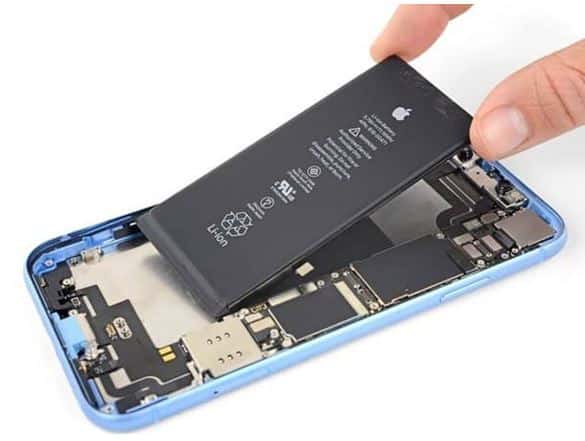
The iPhone 13 remains a powerhouse in 2026, but after 2–3 years of daily use, even the most efficient Li-ion batteries begin to fade. If your phone is struggling to last until lunch or feels sluggish, a battery replacement is the most cost-effective way to restore that “new phone” feel without spending ₹70,000+ on a upgrade.
Powered by a Li-ion battery with a capacity of 4,082mAh, the iPhone 13 provides up to 12 hours of internet use on a single charge. However, over time the performance deteriorates and the overall lifespan of the battery reduces. An iPhone 13 batteryreplacement can be considered when your iPhone 13’s battery is no longer holding a charge.
When to Replace Your iPhone 13 Battery?
The signs that the time has arrived to replace your iPhone 13 battery are very clear. Here we have listed a few issues to look for before scheduling a battery replacement service. Anyone of them can indicate that the water has risen above the danger level.
The iPhone shuts down abruptly, even with a significant amount of charge.
iPhone’s battery drains in less than a day.
The iPhone’s battery is swollen or damaged.
The iPhone has been charged more than 500 times (the average lifespan of an iPhone battery).
Source: BankMyCell
Why use an original iPhone 13 battery?
To ensure optimal performance, safety, and compatibility, using an original Apple OEM battery is crucial. Original batteries are designed specifically for iPhone 13, providing the same capacity and reliability promised by Apple. Non-original batteries may cause compatibility issues, reduce performance, and even pose a risk to the device’s safety. Not all repair service providers have access to authentic Apple OEM batteries. Only Apple-authorized service centres and a few selected Independent Repair Providers like Rapid Repair can get hold of them.
Source: iTweak
How Much Does iPhone 13 Battery Replacement Cost in India?
In 2026, the cost of an iPhone 13 battery replacement varies based on where you choose to get it serviced. Here is the latest price breakdown:
Service Provider
Estimated Cost (INR)
Warranty
Best For
Apple Authorized
₹8,800 – ₹11,800
90 Days
Warranty Peace of Mind
Rapid Repair
₹4,500 + GST
Lifetime Warranty
Quality & Convenience
Local Repair Shops
₹2,500 – ₹3,500
30-90 Days
Budget (Higher Risk)
AppleCare+
₹0
Original Plan
Active Subscribers
Note: Prices are estimates for the standard iPhone 13. Costs for the iPhone 13 Pro and Pro Max are typically ₹500–₹1,000 higher due to larger battery capacities.
Source: Canaltech
Why Choose Rapid Repair Over Local Shops?
While local “street-side” repairs might save you ₹1,000, they often come with hidden costs:
Genuine Parts vs. Generic: We use high-grade OEM-spec batteries that support the latest iOS 18/19 battery health reporting. Many cheap batteries will show an “Unknown Part” warning in your settings.
Lifetime Warranty: Unlike the standard 90-day window, we stand by our parts for the life of the device.
Doorstep Convenience: You don’t have to navigate city traffic. We pick up your iPhone 13, replace the battery in a controlled environment, and deliver it back to you.
Maximizing Your New Battery Life (2026 Tips)
Once you’ve replaced your battery, use these iOS 19-ready tips to keep it healthy:
Enable Adaptive Charging: Let your iPhone learn your routine to reduce the time spent at 100%.
Avoid Extreme Heat: Never leave your iPhone on a car dashboard; heat is the #1 killer of battery chemistry in the Indian climate.
Use Certified Cables: Cheap cables can deliver unstable voltage, degrading your new battery faster.
To conclude, iPhone 13 battery replacement is an inevitable step in maintaining your device’s longevity and performance. While it may seem expensive, using an original Apple battery and replacing it through a trusted service centre like Rapid Repair ensures optimal performance and safety.
Got issues with your Apple Watch, iPhone, iPad, MacBook or any Apple device? Is a trustworthy repair centre not in sight? Don’t worry, the experts can help you get a free pickup and drop service and provide a bright iPhone repair solution for all your Apple woes. Call today for your iPhone battery replacement, screen replacement, and other top repair services.
Frequently Asked Questions (FAQ)
Q: Will I lose my data during the replacement?
A: No, a battery replacement is a hardware-only procedure. However, we always recommend a quick iCloud backup before any repair as a standard safety measure.
Q: Does replacing the battery fix iPhone 13 overheating issues?
A: Yes, in many cases. As batteries age, their internal resistance increases, which generates more heat during charging and heavy use. A degraded battery also forces the processor to work harder to manage power, causing the phone to feel hot. Installing a fresh, high-capacity battery often significantly reduces the operating temperature of your device.
Q: Can I get my iPhone 13 battery replaced on the same day?
A: We understand that your iPhone is essential for your work and life. While Apple-authorized centers may ask for 3–5 business days, Rapid Repair offers a specialized “Express Doorstep Service” in major cities. We aim to collect, repair, and return your device within 24 hours so you are never without your phone for long.
iPhones rarely stop working all at once. Problems usually begin quietly. A slight lag here. A faster battery drop there. A camera that takes a second longer to focus. Most people ignore these early signs until the issue becomes impossible to overlook.
The real question is not whether something is wrong, but when to repair an iPhone before the problem gets worse.
Usually, there’s a pattern to any iPhone related issue. Users try basic troubleshooting first. If the issue persists or keeps returning, it usually points to something deeper than a temporary glitch.
Here are some clear signs that your iPhone may need professional attention.
Persistent Battery Drain and Overheating
Battery issues are among the most common iPhone problems. A slight drop in battery life is normal over time, but certain patterns indicate something more serious.
Watch for:
The battery is draining unusually fast, even on standby
Phone heating up during simple tasks
Sudden shutdowns at moderate charge levels
Experts often suggest checking battery health first. If the battery health is significantly reduced or the device struggles to maintain power, a deeper inspection may be needed.
Source: UnlockBoot
Screen Issues That Keep Returning
A cracked screen is obvious. But some display issues are less visible and more concerning.
Look for:
Flickering or brightness fluctuations
Ghost touches or delayed response
Discoloured patches or lines
If restarting the device or updating iOS does not resolve these issues, it may indicate display hardware problems rather than software glitches.
Charging Problems
Charging issues often start inconsistently. The cable needs to be adjusted at a certain angle. Charging pauses randomly. Or the device takes much longer to charge than before.
Possible signs include:
The charging port feels loose
The device does not charge with certain cables
Charging stops and starts repeatedly
Apple support discussions often suggest cleaning the charging port first. If the issue continues, internal port damage or power circuit issues may require inspection.
Audio Problems That Don’t Go Away
Temporary audio glitches can happen, but persistent problems are a different story.
Common symptoms:
No sound from the speakers
Distorted audio
The microphone is not picking up the voice clearly
If restarting the device and checking settings does not fix the issue, it may indicate speaker or internal audio component damage.
Camera Not Functioning Properly
The iPhone camera is one of its most used features. When it stops performing as expected, it becomes noticeable quickly.
Watch for:
Blurry photos even after cleaning the lens
Camera app crashing
Focus is not working properly
Software updates can sometimes fix camera bugs. But if the issue persists, hardware inspection is often required.
Source: Gotechtor
Network and Connectivity Issues
If your iPhone struggles to connect to Wi-Fi, Bluetooth, or cellular networks consistently, it may point to deeper system or hardware problems.
Signs include:
Frequent signal drops
Bluetooth devices are disconnecting repeatedly
Wi-Fi not detecting networks
Resetting network settings might help in such cases. If the problem continues, it may require further diagnosis.
Physical Damage and Internal Impact
Not all damage is visible. A phone that has been dropped may work fine initially, but develop issues over time.
Possible delayed effects:
Screen flickering days after impact
Battery swelling
Internal components loosening
Ignoring these signs can lead to more serious problems later.
When Basic Fixes Stop Working
Apple recommends trying simple troubleshooting first:
Restarting the device
Updating iOS
Resetting settings
If the issue keeps coming back after these steps, it is often a sign that software is not the root cause.
At that point, professional iPhone repair becomes the practical next step.
Source: Adobe Stock
Most iPhone problems don’t appear suddenly. They build up gradually. Recognising early warning signs can help you act before a minor issue turns into a major one.
Trying basic fixes is always the first step. But knowing when those fixes are no longer enough is what helps you make the right decision.
A well-timed repair often extends the life of your device and prevents more expensive problems later.
If issues like battery drain, screen flickering, charging problems, or audio issues persist even after basic troubleshooting, the device may need professional inspection.
Can software updates fix iPhone problems?
Yes, in some cases. Updates often fix bugs. However, repeated or persistent issues may indicate hardware problems.
Should I repair or replace my iPhone?
If the device still performs well overall and the issue is limited to one component, repair is usually more practical than replacement.
Is overheating always a serious issue?
Occasional heating can be normal. Constant overheating during basic tasks may indicate battery or internal hardware problems.
What should I try before seeking repair?
Restart the device, update iOS, check settings, and reset if needed. If the issue continues, a professional diagnosis is recommended.
Can minor issues become serious later?
Yes. Small problems like battery degradation or internal damage can worsen over time if ignored.
When it comes to delivering smooth and seamless performance, iPhones undoubtedly stand out from the rest. But that doesn’t mean Apple’s much-talked-about smartphone hasn’t had its fair share of issues. Luckily, there are some handy tips and tricks that can fix the iPhone’s common problems that occur every then and now.
Some issues appear repeatedly: battery draining too fast, charging problems, overheating after updates, cracked screens, and Face ID failures. Others are less common but still frustrating, like the phone getting stuck on the Apple logo or apps crashing randomly.
The good news is that many iPhone problems can be fixed with a few simple steps. And when the issue turns out to be hardware-related, getting it repaired early can prevent bigger damage later.
Below is a list of the 20 most common iPhone problems we see today, ordered by how frequently users report them in 2025–2026.
Most Trending iPhone Problems in 2026
1. iPhone Battery Draining Too Fast
Battery drain is easily the most common complaint among iPhone users today. Many people notice that their phone that once lasted all day suddenly starts dropping from 100% to 20% within a few hours.
In most cases, this happens because the battery has aged or because certain apps are constantly running in the background.
Start by checking your Battery Health under Settings. If the maximum capacity is below 80%, the battery may simply be worn out.
You can also try:
Turning off Background App Refresh
Reducing screen brightness
Closing unused apps
Updating to the latest iOS version
If none of these help and your battery keeps draining unusually fast, the issue is likely a degraded battery that needs replacement.
2. iPhone Overheating
Another issue that has become increasingly common in recent years is iPhone overheating. Many users notice their phone becoming unusually warm while gaming, charging, or even during normal usage.
Sometimes the device may even display a message saying “iPhone needs to cool down before you can use it.”
Common reasons this happens
Heavy apps like games or video editing tools
Charging the phone while using it
Hot environments or direct sunlight
Software bugs after iOS updates
How to reduce overheating
If your iPhone starts overheating, try these quick fixes:
Remove the phone case temporarily
Close heavy apps running in the background
Stop using the phone while it is charging
Move the device to a cooler environment
Occasional warmth is normal, but frequent overheating may indicate a battery or hardware issue.
Surprisingly, the issue is often much simpler than people think. In many cases, the charging port becomes clogged with dust and pocket lint, preventing the cable from connecting properly.
Common causes
Dust or debris in the charging port
Damaged Lightning cable
Battery problems
Faulty charging adapter
What you should try
First, inspect the charging port carefully. If you see debris inside, clean it gently with a wooden toothpick or compressed air.
Then test the phone with:
A different charging cable
A different power adapter
Another power outlet
If your iPhone still refuses to charge, the charging port or battery may need professional repair.
4. Cracked or Broken iPhone Screen
A cracked screen remains the most common hardware repair worldwide.
Even with stronger glass in newer models, a simple drop onto concrete can easily damage the display.
Many people continue using their phone with a cracked screen, but this can lead to bigger problems later.
Why you shouldn’t ignore it
Cracks can spread over time
Touch responsiveness may stop working
Glass shards can cause injury
In most cases, the safest solution is professional screen replacement. DIY repair kits exist, but they often damage delicate components like Face ID sensors if handled incorrectly.
5. iPhone Storage Always Full
Storage issues are becoming more common as people take more photos, videos, and large app downloads.
When storage is nearly full, the iPhone may start behaving strangely.
Signs your storage is overloaded
Apps crashing frequently
Camera refusing to save photos
iOS updates failing
Phone becoming noticeably slower
How to free up space
Start by reviewing what is taking up the most storage.
You can:
Delete duplicate photos and videos
Remove apps you rarely use
Clear Safari browser cache
Move photos to iCloud or external storage
6. iPhone Running Very Slow
Over time, many users notice that their iPhone starts feeling sluggish. Apps take longer to open, animations lag, and even basic tasks like switching between apps feel slower than usual.
This usually happens when the device storage is nearly full or when too many apps are running in the background.
What usually causes this
Low available storage
Too many background apps
Outdated iOS version
Aging battery affecting performance
What you can do
Start by freeing up storage space. Delete unused apps, old screenshots, and large videos that you no longer need.
Restarting the phone and installing the latest iOS update can also improve performance. If the device still feels slow after cleaning storage, the battery may be degraded and affecting overall speed.
7. Apps Freezing or Crashing Randomly
Another issue many iPhone users experience is apps suddenly freezing or crashing.
This is usually not a hardware problem. In most cases, it happens because the app itself is outdated or incompatible with the current iOS version.
Possible reasons
Outdated apps
Software conflicts
Insufficient storage space
How to fix it
Open the App Store and update all apps to the latest version. If the problem continues, try deleting the problematic app and installing it again.
Restarting the device often resolves temporary software glitches as well.
8. Face ID Not Working
Face ID is extremely convenient, but when it stops working it can be frustrating. Some users notice that the phone suddenly cannot recognize their face even in normal lighting conditions.
Common reasons
Dirt or smudges on the front camera
Changes in appearance (glasses, masks, etc.)
Software glitches
Things you can try
Clean the front camera area gently with a soft cloth. Then go to Settings → Face ID & Passcode and reset Face ID.
If the issue still persists, the TrueDepth sensor may have been damaged due to a drop or water exposure.
9. Wi-Fi Not Connecting or Disconnecting Frequently
Wi-Fi problems can make browsing, streaming, or downloading apps very frustrating.
Sometimes the iPhone shows a Wi-Fi connection but internet access still doesn’t work.
Common causes
Router issues
Network configuration errors
Software glitches
Simple solutions
Try turning Wi-Fi off and back on again. Restarting both the router and the phone often resolves connection issues.
If the problem continues, reset the network settings by going to Settings → General → Transfer or Reset iPhone → Reset Network Settings.
10. Cellular Network Problems
Sometimes the iPhone suddenly shows “No Service” or struggles to maintain a stable mobile network.
Possible reasons
Temporary network outage
SIM card issues
Network configuration errors
What you should check
Remove the SIM card and insert it again to ensure it is properly seated. If the issue persists, try resetting network settings.
If the phone still cannot detect a network, contacting your mobile carrier may be necessary.
11. iPhone Stuck on Apple Logo
One of the more alarming issues occurs when the iPhone gets stuck on the Apple logo during startup.
This often happens after an iOS update, system crash, or failed restore attempt.
The quickest solution
A force restart usually fixes the problem.
For newer iPhones:
Press and release the Volume Up button
Press and release the Volume Down button
Hold the Side button until the Apple logo appears
If this doesn’t work, the phone may need to be restored through recovery mode.
12. Camera Not Working Properly
The iPhone camera is one of its most important features, so it can be frustrating when it suddenly stops working.
Sometimes the camera app opens but shows a black screen or refuses to capture photos.
Possible causes
Temporary software glitch
Camera app crash
Hardware damage
What you can try
Close the camera app and reopen it. Restarting the device can also fix many camera problems.
If the camera still doesn’t work, the lens or internal camera module may require repair.
13. Bluetooth Connectivity Issues
Bluetooth is used for connecting AirPods, speakers, car systems, and many other accessories.
Occasionally the iPhone refuses to pair with devices it previously connected to without problems.
Simple fixes
Turn Bluetooth off and back on again. If the device still won’t connect, forget the device in Bluetooth settings and pair it again.
Resetting network settings can also solve persistent Bluetooth issues.
14. iPhone Black Screen
Some users experience a situation where the iPhone appears to be on, but the screen remains completely black.
This problem is sometimes referred to as the “Black Screen of Death.”
Possible causes
Software crash
Battery drained completely
Display hardware damage
What to try
Perform a force restart first. If the screen remains black even though the phone vibrates or makes sounds, the display may need replacement.
15. Water Damage
Water exposure remains one of the most common causes of smartphone damage.
Even though newer iPhones are water-resistant, they are not completely waterproof.
Immediate steps to take
Turn the phone off immediately
Do not charge it
Dry the device with a soft cloth
Avoid using heat sources like hair dryers, as they can damage internal components.
Sometimes the touchscreen becomes unresponsive or reacts slowly to touches.
Possible reasons
Screen damage
Software glitches
Faulty screen protector
Quick fixes
Restart the device and remove any screen protector that might interfere with touch sensitivity.
If the display still does not respond properly, the screen may need replacement.
17. iPhone Speaker Not Working
If your iPhone speaker suddenly becomes quiet or stops working entirely, it can make calls and media playback difficult.
Possible causes
Dust blocking the speaker grill
Water exposure
Software glitches
What you can try
Clean the speaker area gently with a soft brush and restart the phone.
If sound problems continue, internal speaker damage may be the cause.
18. iPhone Randomly Restarting
Some users report their iPhone restarting unexpectedly during normal use.
Possible causes
Software bugs
Faulty apps
Battery problems
Solutions
Make sure the device is updated to the latest iOS version. Removing recently installed apps can also help identify the source of the problem.
If random restarts continue, the battery may need replacement.
19. iCloud Backup Not Working
iCloud backup is designed to keep your data safe, but sometimes backups fail unexpectedly.
Common reasons
Insufficient iCloud storage
Weak internet connection
Backup settings disabled
What to check
Ensure you are connected to a stable Wi-Fi network and have enough iCloud storage available.
You can also try signing out of iCloud and signing back in.
20. iPhone Update Failed
Some users encounter errors when trying to install a new iOS update.
Possible causes
Insufficient storage
Unstable internet connection
Server issues during updates
What you can do
Free up some storage space and ensure the phone is connected to a stable Wi-Fi network.
If the update still fails, installing the update through a computer using Finder or iTunes may resolve the issue.
When Should You Seek Professional iPhone Repair?
While many minor issues can be fixed with simple troubleshooting, some problems require professional attention.
If your iPhone has screen damage, battery problems, charging issues, water exposure, or camera failures, it’s best to get it checked by experienced technicians.
At Rapid Repair, we provide professional repair services for iPhones, including:
An iPhone speaker usually works quietly in the background until one day it doesn’t sound quite right. Music feels muffled. Calls sound softer than usual. Voice notes lose clarity. Most of the time, the problem isn’t the speaker itself. It’s dust, pocket lint, or tiny particles slowly building up over months of everyday use.
The good news is you can fix this at home. You just need to be gentle and know what not to do.
Why iPhone Speakers Get Dirty So Easily
Think about where your phone goes every day. Pockets, bags, beds, tables, and car dashboards. Tiny fibres and dust settle into the speaker grills without you noticing. Over time, that layer blocks sound.
It’s one of the most common reasons people look up how to clean an iPhone speaker when the volume suddenly feels weaker.
Things You Should Never Use
Before cleaning anything, avoid these mistakes:
No needles or metal pins
No blowing directly with your mouth
No strong liquids or cleaning sprays
No high-pressure air canisters can be held too close together
The speaker mesh is delicate. One wrong move can push dirt deeper or damage internal components.
Source: AppleToolBox
The Safest Way to Clean the Speaker
Start simple.
1. Use a Soft, Dry Brush
A clean toothbrush or a soft paintbrush works well. Hold the phone upright and gently brush across the speaker grill. Small movements are enough. You are trying to lift dust out, not push it in.
This method is effective if you are wondering how to remove dust from iPhone speaker openings without risking damage.
2. Use Painter’s Tape or Adhesive Putty
A tiny piece of low-stick tape can pull out lint trapped in the holes. Lightly press and lift. Do not push hard.
3. Clean the Bottom Speaker and Earpiece
Remember, there are multiple speaker openings on an iPhone. The bottom speaker handles media sound, while the top earpiece affects call quality. Both deserve attention.
A Quick Test After Cleaning
Play a song or a voice note at full volume. Compare the clarity before and after. Often, the difference is immediate.
If sound improves but still feels weak, repeat the cleaning gently rather than trying aggressive methods.
Should You Use Cleaning Apps or Sound Tricks?
You may see videos suggesting sound waves to shake dust loose. These methods sometimes help slightly, but they are not a complete solution. Physical cleaning is still the safest and most reliable way to clean iPhone speaker grills.
How Often Should You Clean Your Speaker?
You don’t need to do it every week. Once every couple of months is enough for most users. If you work in dusty environments or keep your phone in your pocket often, you might need to clean it more frequently.
A simple routine prevents buildup and keeps sound clear.
Source: Mashable
Signs It Might Be More Than Dust
Sometimes cleaning won’t solve the problem. Watch for these signs:
Distorted or crackling sound
Audio cutting in and out
No sound at all, even at full volume
The speaker only works with headphones
If that happens, the issue could be hardware-related rather than dirt.
Keeping your iPhone speaker clean is a small habit that makes a big difference. Clear audio improves calls, videos, and music without needing any apps or accessories. The key is patience and gentle handling.
Once you learn the process, it takes less than two minutes and can save you from thinking something is broken when it’s just a bit of dust.
This guide provides a complete iPhone battery mAh list for all models, helping you understand how battery capacity and real-world performance vary across generations. It explains what iPhone battery mAh means, how battery size impacts daily usage, and why newer iPhones deliver better battery efficiency even when capacity differences are small. Whether you’re comparing the latest models or older iPhones, this overview helps you choose the right iPhone based on battery life and performance needs.
Top Picks for Battery-Hungry Users
Best All-Around:iPhone 17 Pro Max
Best Value Battery:iPhone 14 Plus
Best Past Performer:iPhone 13 Pro Max
Great for Power Users:iPhone 16 Pro Max
iPhone Battery mAh & Efficiency in Current iPhone Models
The latest iPhone models, especially the iPhone 16 and iPhone 17 series, represent Apple’s most refined approach to battery performance so far. Instead of just increasing battery size every year, Apple is now focusing on better efficiency, smarter power management, and consistent all-day usage.
In simple terms, this means:
longer real-world daily usage
more reliable battery performance under heavy tasks
slower battery drain compared to older generations
Based on the latest battery data:
iPhone 16 Pro Max offers a battery close to 4676 mAh, delivering over 24 hours of standby and around 5–6 hours of stress usage
iPhone 17 Pro Max pushes this further with a 5088 mAh battery, currently the largest battery ever in an iPhone
Even non-Pro models like the iPhone 16 Plus and iPhone 17 now cross the 4300 mAh and 3600 mAh range, making them strong options for users who prioritise battery life over Pro-only features
This clearly shows that in current iPhone generations, good battery life is no longer limited to Pro models. Apple has moved toward offering strong battery performance across the lineup, whether you choose a Pro, Plus, or standard iPhone.
iPhone Battery Capacity & Performance – Model Wise Overview
Below is a complete iPhone battery mAh list, covering old and new models. This comparison will help you choose the right iPhone based on battery life, not just price or features.
iPhone 17 Series Battery mAh
Model
Battery (mAh)
Expected Voltage
Standby
Stress
iPhone 17 Pro Max
5088
~3.9V
>24 hrs
5–6 hrs
iPhone 17 Pro
4252
~3.9V
>24 hrs
4–5 hrs
iPhone 17
3692
~3.9V
>24 hrs
4–5 hrs
iPhone 17 Air
3149
~3.9V
>24 hrs
3–4 hrs
iPhone 16 Series Battery mAh
Model
Battery (mAh)
Voltage
Standby
Stress
iPhone 16 Pro Max
~4676
3.87V
>24 hrs
5–6 hrs
iPhone 16 Pro
~3355
3.87V
>24 hrs
4–5 hrs
iPhone 16 Plus
~4480
3.87V
>24 hrs
4–5 hrs
iPhone 16
~3560
3.87V
>24 hrs
4–5 hrs
iPhone 15 Series Battery mAh
Model
Battery (mAh)
Voltage
Standby
Stress
iPhone 15 Pro Max
4422
3.87V
>24 hrs
4–5 hrs
iPhone 15 Pro
3274
3.87V
>24 hrs
4–5 hrs
iPhone 15 Plus
4383
3.87V
>24 hrs
4–5 hrs
iPhone 15
3349
3.87V
>24 hrs
4–5 hrs
iPhone 14 Series Battery mAh
Model
Battery (mAh)
Voltage
Standby
Stress
iPhone 14 Pro Max
4323
3.85V
>24 hrs
4–5 hrs
iPhone 14 Pro
3200
3.87V
>24 hrs
4–5 hrs
iPhone 14 Plus
4325
3.85V
>24 hrs
4–5 hrs
iPhone 14
3279
3.87V
>24 hrs
4–5 hrs
iPhone 14 Series Battery mAh
Model
Battery (mAh)
Voltage
Standby
Stress
iPhone 13 Pro Max
4352
3.85V
>24 hrs
4–5 hrs
iPhone 13 Pro
3095
3.87V
>24 hrs
4–5 hrs
iPhone 13
3227
3.87V
>24 hrs
4–5 hrs
iPhone 13 Mini
2406
3.70V
>24 hrs
3–4 hrs
iPhone 12 Series Battery mAh
Model
Battery (mAh)
Voltage
Standby
Stress
iPhone 12 Pro Max
3687
3.83V
>24 hrs
4–5 hrs
iPhone 12 Pro
2815
3.83V
>24 hrs
4–5 hrs
iPhone 12
2815
3.83V
>24 hrs
4–5 hrs
iPhone 12 Mini
2227
3.70V
>24 hrs
~3 hrs
iPhone 11 Series Battery mAh
Model
Battery (mAh)
Voltage
Standby
Stress
iPhone 11 Pro Max
3969
3.79V
>24 hrs
4–5 hrs
iPhone 11 Pro
3048
3.83V
>24 hrs
4–5 hrs
iPhone 11
3110
3.83V
>24 hrs
4–5 hrs
iPhone X / XS / XR Series mAh
Model
Battery (mAh)
Voltage
Standby
Stress
iPhone XS Max
3180
3.82V
>24 hrs
3–4 hrs
iPhone XS
2640
3.81V
>24 hrs
3–4 hrs
iPhone XR
2950
3.82V
>24 hrs
3–4 hrs
iPhone X
2716
3.81V
>24 hrs
3–4 hrs
iPhone 8, 7 & SE Series mAh
Model
Battery (mAh)
Voltage
Standby
Stress
iPhone 8 Plus
2961
3.82V
>18 hrs
~3 hrs
iPhone 8
1821
3.82V
>18 hrs
2–3 hrs
iPhone SE (2nd Gen)
1821
3.82V
>18 hrs
2–3 hrs
iPhone 7 Plus
2900
3.82V
>18 hrs
~3 hrs
iPhone 7
1960
3.82V
>18 hrs
2–3 hrs
** Standby Performance is measured when the device is in ideal condition, display is not “always on” and location services are turned off. Stress performance is measured when device’s display is “always on” and video is played on any streaming app.
How to Read This Battery Data
Standby: Light usage (calls, messages, idle)
Stress: Heavy usage (gaming, video streaming, camera, 5G)
Battery life also depends on:
screen size
refresh rate
chip efficiency
battery health %
A higher mAh number usually means better battery life but not always.
Key Takeaways for iPhone Battery Buyers
Battery capacity change
s year to year, not always increasing
Bigger phones = bigger battery
Smaller phones (Mini / SE) sacrifice battery for compact size
Apple improves efficiency even when battery size stays similar
Top iPhone Battery mAh Performers Right Now
If battery life is your top priority, these iPhones deliver the longest usage times based on battery capacity, standby, and stress performance:
iPhone 17 Pro Max – 5088 mAh Longest battery life so far with 5–6 hours of heavy usage
iPhone 16 Pro Max – ~4676 mAh Excellent endurance with refined power efficiency
iPhone 14 Plus – 4325 mAh Best non-Pro iPhone for battery backup
iPhone 13 Pro Max – 4352 mAh Still one of the most reliable battery performers today
Best Battery iPhones for Value Seekers
If you want strong battery life without paying for the newest model, these are solid options:
iPhone 11 Pro Max – 3969 mAh Still dependable for full-day usage
iPhone 12 Pro Max – 3687 mAh Good balance of size, power, and battery
iPhone 13 (Base Model) – 3227 mAh Strong battery life despite its slim form factor
Battery performance in iPhones is more closely tied to device size than generation alone. While newer models bring efficiency gains, larger batteries consistently deliver better real-world usage, especially during heavy tasks like gaming, video streaming, and navigation.
If you have an iPhone repair battery replacement issue or want to get your battery replaced you can get in touch with the experts today to arrange for a free pickup. Get the best iPhone, iPad, MacBook, and Apple Watch repairs from the quickest and most reliable Apple repair service near you. Call or WhatsApp now.
iPhones usually run smoothly on their own, so most people don’t think about cache until the moment the device starts feeling slower than usual. Pages take a second longer to open. Apps feel a little heavy. Storage quietly fills up. That’s when clearing cache becomes useful, even though the steps aren’t always obvious.
The tricky part is that iPhones don’t have a single “clear cache” button. You clear things here and there, depending on what exactly you want to clean. This guide walks you through all of it, without making it sound more technical than it needs to be.
Start With Safari
Safari is the place where most cached data builds up, especially if you browse a lot. Websites save small files to load faster the next time. It’s harmless, but over time it gets bulky.
To clear Safari data:
Open Settings
Scroll to Safari
Tap Clear History and Website Data
Confirm
This clears saved pages, cookies, temporary files, and old browsing info. If someone asks how to clear cache and cookies on iPhone, this is the simplest answer.
Clearing Only the Cache Without Losing History
If you want to keep browsing history but still clean the heavier stuff:
Open Settings
Tap Safari
Scroll down
Tap Advanced
Tap Website Data
Remove data from specific sites
This is useful when a particular site is acting glitchy and you don’t want to delete everything.
Using App Offloading
iPhones don’t allow direct cache clearing for most apps. But there’s a different trick called offloading. It removes the app but keeps its data safe. Once you reinstall it, the clean version usually feels lighter.
Steps:
Go to Settings
Open General
Tap iPhone Storage
Choose an app
Tap Offload App
This helps apps that feel slow, especially heavy ones like Instagram or Reddit.
Source: TUAW
Clearing Cache Inside Individual Apps
Some apps have their own buttons to delete cached files. Examples include:
YouTube
Snapchat
Chrome
Reddit
Facebook
You’ll usually find it inside the app’s Settings, under Privacy, Storage, or History.
Chrome, for instance, lets you clear stored files with one tap. That’s the easiest way to clear browser cache on iPhone without touching anything else on the device.
Sometimes Safari behaves strangely. Websites load halfway or not at all. That’s when you want to clear only the Safari cache, not the whole history.
The cleanest way is:
Settings
Safari
Advanced
Website Data
Remove All Website Data
That’s the specific method people mean when they say clear safari cache on iPhone.
Restarting Helps More Than You Think
After clearing caches and offloading apps, restart the iPhone. It refreshes small background processes and gives the system a cleaner start. Many users forget this tiny step.
Clearing Cache From Streaming Apps
If Netflix or Prime Video keeps showing the same error, or thumbnails load slowly, clearing the downloaded files sometimes helps. Just open the app and look for Downloads, then remove anything old. These files take a surprising amount of storage.
A Few Myths That Don’t Actually Help
People often try things that have nothing to do with cache:
force closing apps repeatedly
running “cleaner” apps
deleting random system files
switching airplane mode on and off
None of these clear cache meaningfully. Some make battery performance worse.
When Clearing Cache Won’t Fix the Problem
Cache helps only when the issue is related to storage or old website data. If the iPhone stays slow after cleaning, the problem could be:
low storage
old battery
a heavy update installing in the background
an app stuck in a loop
iCloud sync delays
old software
Sometimes, a simple update or restart fixes more than clearing anything.
Source: Slash Gear
Clearing cache on an iPhone isn’t a daily chore. You don’t need to obsess over it. Do it when Safari slows down, when apps feel heavy, or when websites misbehave. A quick cleanup once in a while keeps the device smooth, without digging too deep into settings.
If you stick to the steps above, you won’t need any third-party tools or complicated tricks. Just a bit of cleaning in the right places.
You might have noticed a white Spot on Your iPhone Screen. No, you’re not imagining things. It does exist, and it’s not an iOS bug either. It’s a specific issue that appears quietly, usually grows slowly, and almost always indicates a hardware problem, not something software can fix. In most cases, professional iPhone repair service is required.
Let’s break down what that white spot on iPhone actually is, why it happens, and what realistically solves it. Whether you’re searching for solutions for an older LCD iPhone or a newer OLED model, you will find it below.
What Is a White Spot on Your iPhone Screen?
A white Spot on Your iPhone Screen is a localised brightness anomaly on the display. In simple terms, it is a particular area on the display where, instead of being diffused evenly, light concentrates.
This usually happens due to hardware damage. The type of damage causing this white spot differs between LCD and OLED iPhones. We’ll cover both, but first, here are the common characteristics.
Source: Tech Medic VT
Key Traits of a White Spot
Usually circular or oval in shape
Appears as a pale or bright patch
Stays in the same position
Does not move or flicker
Does not disappear with brightness changes
Does not appear in screenshots
Why Does a White Spot Appear on an iPhone Screen?
While researching online, you may come across articles blaming software issues. That’s incorrect.
This white spot has nothing to do with iOS. It’s caused by internal stress or physical damage to the display layers. The exact cause depends on whether your iPhone uses an LCD or OLED screen.
White Spots on LCD iPhones (Most Common Case)
LCD iPhones use a backlight system. Light is produced from behind the screen and evenly spread using diffuser layers. When these layers are disturbed, light leaks unevenly, creating a visible white spot.
What Causes This
Long-term pressure (tight pockets, sitting with the phone)
Slight battery swelling pushing from behind
Minor moisture exposure
Frame flex over years of use
How It Behaves
Looks bright white or pale
Most visible on white or grey screens
Almost invisible on black screens
Slowly worsens over time
iPhone Models Where This Is Common
iPhone 6 / 6s / 7 / 8 series
iPhone XR
iPhone 11
iPhone SE (2nd & 3rd generation)
White or Bright Spot on iPhone Screen (OLED Models)
OLED screens do not use backlights. Each pixel emits its own light. So when a bright or white patch appears, it’s caused by pixel-level damage, not light leakage.
What Causes It
Impact or drop damage
Internal panel stress
Severe pressure near the edges
Rare manufacturing defects
How It Behaves
May appear slightly yellowish or bluish
Can be visible even on dark backgrounds
Usually doesn’t spread like LCD spots
May subtly change with brightness
Models Affected
iPhone X / XS / XS Max
iPhone 11 Pro series
iPhone 12, 13, 14, 15 series
OLED issues are less common, but when they occur, they are very noticeable.
What a White Spot on Your iPhone Screen Is NOT
Let’s clear the confusion.
A white spot on an iPhone screen is not:
A dead pixel
A stuck pixel
A software glitch
An iOS update issue
A display calibration problem
If it were any of these, the spot would appear in screenshots or change with settings. White spots don’t.
How to Confirm a White Spot on Your iPhone Screen at Home
These won’t fix the issue, but they will confirm what you’re dealing with.
1. Screenshot Test
Take a screenshot where the spot appears. If the spot does not show in the screenshot, it’s a hardware issue.
2. Background Test
Open white, grey, and black screens on your iPhone. Remember,
LCD: Spot brightest on white/grey, disappears on black
OLED: Spot may still be visible on black
3. Brightness Slider
Adjust brightness slowly.
LCD: Spot remains consistent
OLED: Spot may slightly change
4. Gentle Pressure Test
Press gently on the affected area. Brightness fluctuation suggests LCD diffuser damage
Can a White Spot on an iPhone Screen Be Fixed Without Replacing the Screen?
Short answer: No — not permanently.
Software resets won’t work
Pixel-fix apps are useless
DIY pressure tricks don’t last
Opening the phone at home is risky
In LCD iPhones, a battery replacement may also be required if swelling is pushing against the display and causing the white spot.
Source: Pexels
Why You Shouldn’t Ignore a White Spot on Your iPhone Screen
White spots aren’t just cosmetic forever. Delaying repair can lead to:
Spot spreading further
Backlight damage worsening
Reduced display uniformity
Increased battery swelling
Extra stress on internal components
Early intervention usually limits both damage and cost.
How to Prevent White Spots on iPhone Screens
Existing damage can’t be reversed, but you can reduce future risk by:
Avoiding tight pockets
Never sitting with your phone in a back pocket
Removing thick or poorly fitted cases
Monitoring battery health as the phone ages
Acting early when display changes appear
Final Thoughts
The white spot on your iPhone screen isn’t random, and it’s definitely not fixable through software. It’s a physical display issue, most commonly seen on older LCD iPhones, though OLED models can also be affected.
If the spot doesn’t appear in screenshots, it’s almost always hardware damage. Once it starts, it doesn’t reverse on its own. Understanding the cause helps you make a clear decision—without panic and without false hope.
1. Is the white spot on my iPhone screen dangerous?
Not immediately, but it shouldn’t be ignored. A white spot usually indicates internal display damage or pressure. Over time, it can spread or lead to further display and battery-related issues.
2. Will the white spot go away on its own?
No. Once a white spot appears, it does not disappear by itself. Since it’s caused by physical damage inside the display, software updates or restarts won’t fix it.
3. Can a software update or reset fix the white spot?
No. White spots are hardware issues. If the spot doesn’t appear in screenshots, it confirms that the software has nothing to do with the problem.
4. Can a swollen battery cause a white spot on the screen?
Yes. In LCD iPhones, especially, battery swelling can push against the display from behind, damaging the diffuser layers and causing a white spot.
5. Is a white spot the same as a dead pixel?
No. Dead pixels are individual pixels that stop functioning and usually appear black or coloured. A white spot is a brightness issue affecting a larger area of the display.
6. Can screen protectors or phone cases cause white spots?
Poorly fitted or overly tight cases can contribute to long-term pressure on the display, especially in older iPhones. While they may not cause the issue alone, they can accelerate it.
7. Does this issue happen only on older iPhones?
It’s more common on older LCD-based iPhones, but OLED models can also develop bright patches due to impact or panel stress.
8. Is screen replacement the only permanent solution?
In most cases, yes. Screen replacement is the only reliable fix. In some LCD models, a battery replacement may also be required if swelling is involved.
9. Should I continue using my iPhone if it has a white spot?
You can use it temporarily, but delaying repair may allow the damage to worsen. If the spot starts spreading or brightness becomes uneven, repair should not be postponed.
10. Can this issue come back after repair?
If the underlying cause (such as battery swelling or excessive pressure) is properly addressed and quality parts are used, the issue is unlikely to return.
If your iPhone 11 has started biting at battery life — sudden drops, early shutdowns, or that dreaded “Service” warning under Settings → Battery Health — it’s probably past the fresh-out-of-box phase. Replacing the battery can make your phone feel significantly more reliable, whether you’re texting, watching videos, or juggling work and calls.
So, let’s talk numbers, expectations, and what goes into the iPhone 11 battery replacement cost in India — especially if you’re considering a trusted independent repair provider like Rapid Repair.
Typical Battery Replacement Price
At Rapid Repair, a trusted Apple repair partner in India that provides genuine parts and doorstep service, the cost to replace an iPhone 11 battery is approximately ₹4,500 (exclusive of taxes). This pricing applies to the standard battery component and the full replacement service, assuming no other faults are found during diagnostics.
This figure is quite competitive compared to Apple’s own service centres, where battery fees tend to be higher (and often vary depending on warranty status).
Source: iOS & iPhone – Gadget Hacks
Why It’s Worth Investing in a Quality Replacement
Battery wear is a natural process. After a few hundred charge cycles, capacity drops — and once it falls below about 80%, you’ll start noticing performance issues. A fresh battery does more than just last longer between charges; it also helps maintain stable performance under load.
If you’re looking for an affordableiPhone battery replacementin India that doesn’t compromise on quality, going the independent route like Rapid Repair often means:
Use of a genuine iPhone 11 battery replacement part
Free pickup and drop-off service across many cities
Expert technicians with years of experience and state-of-the-art equipment
No surprise charges — diagnosis is free if you choose not to proceed with the service
Source: www.jawaharatalrasheedhotel.com
Signs You Need a Battery Replacement
Before booking the service, make sure it’s really the battery that’s the problem. Here are the common symptoms:
Battery percentage drops suddenly, even when it shouldn’t,
Phone shuts down unexpectedly at moderate battery levels,
iPhone gets unusually warm when charging or in use,
Battery health is below ~80% in Settings → Battery → Battery Health,
Charging takes longer than it used to.
If you see a combination of these, a replacement is likely due — and getting it done sooner often prevents secondary issues like logic board stress or abrupt shutdowns.
How the Replacement Process Works
Book a service via call/WhatsApp or through the service portal.
Rapid Repair offers free doorstep pick-up and drop across many Indian cities.
They’ll give your iPhone a free diagnostic to confirm the battery is the issue.
Once you approve the quote, they replace the battery with a high-quality, genuine part.
Full QA checks ensure everything works — and you get warranty paperwork before it’s returned to you.
The whole process usually completes within a couple of days, depending on your location.
Source: CNBC
Apple vs Independent Repair — What’s the Difference?
Apple service centres do excellent work, but their costs tend to be steeper — and waiting times can stretch, especially in smaller cities where appointments are limited. Independent providers like Rapid Repair balance cost, convenience, quality parts, and quick turnaround. If you’re out of warranty, this often makes more sense for day-to-day users.
Replacing the battery is one of the most cost-effective ways to breathe new life into your iPhone 11. Instead of stressing over short battery life or unnecessary upgrades, a quality battery swap is quick, reliable, and — with the right service partner — affordable too.
You love your compact iPhone 12 Mini for the pocket-friendliness, the zippy performance and the fact that it still holds its own in 2025. But perhaps lately you’ve noticed the dreaded signs: the battery drops faster than you’d like, your screen dims at odd times, or you get unexpected shutdowns. At this point, you’re probably asking the big question: what does the iPhone 12 Mini battery replacement cost in India?
Let’s break it down in plain language — no tech fluff, no wild guesses — straight from a trusted repair provider’s pricing and workflow.
What’s the Price Tag?
According to current listings for one of the leading independent Apple-repair services in India, the battery replacement for the iPhone 12 Mini retails at ₹5,000 (exclusive of taxes).
Yes — that means when you factor in GST and any regional service add-ons, you may end up a little higher. But comparatively, this fee is significantly lower than buying a whole new phone, and it’s also far more reliable than some bargain basement fix.
If someone quoted you wildly lower (₹ 3,000-₹ 4,000) they might be using non-OEM parts — which brings extra risk. So when you’re comparing quotes, keep in mind that you’re not just paying for the battery — you’re paying for quality, parts, labour, warranty, and service logistics.
Source: Rapid Repair
What’s Included in the Deal
When you approach a good service provider for your iPhone 12 Mini battery swap, here’s what you’re generally getting:
Free diagnosis (they check battery health, cycle count, and overall system state before quoting).
Use of OEM or genuine equivalent battery modules — designed to fit your device specs.
Proper replacement, including adhesives, calibration, and safety checks.
Post-repair checks to confirm battery health show correct values, no system errors.
Some kind of warranty on the battery replacement service (1 year or more).
Transparent pricing: the quote you receive is the quote you pay — no hidden charges for pickup/drop, in many cases.
This is how the service becomes part of iPhone 12 Mini repair services in India that you can upgrade to with confidence.
Why It’s Worth Replacing (Rather Than Holding Off)
A phone like the iPhone 12 Mini is still capable — excellent form factor, features and performance. But a failing battery drags the whole experience down. Here’s why replacing makes sense:
Restores battery life: fewer mid-day charges, less anxiety.
Maintains resale value: even if you plan to sell or upgrade later, condition matters.
Prevents collateral damage: a failing battery can swell, press on internal parts, or cause unexpected shutdowns.
Keeps your day-to-day smooth: you won’t dread “battery low” warnings during important calls or travel.
Given these benefits, the iPhone 12 Mini battery change cost in India looks to be a smart investment rather than a cost.
Source: EFTM
A Few Caveats & Things to Check
Before you hand over your phone:
Ask for the exact quote, including GST and any shipping/pickup.
Confirm the warranty terms explicitly: how long does the battery guarantee to last?
Ensure the provider uses genuine/quality parts (not cheap aftermarket spares).
Back up your device — just in case.
If your phone has other visible damage (water ingress, physical dents, screen issues), mention it — sometimes that affects the complexity and cost of the battery replacement.
So yes: if you’re looking at how much it costs to replace an iPhone 12 Mini battery in India, a good, independent provider is charging approximately ₹ 5,000 (pre-tax)right now. The exact cost may vary slightly depending on your city and any add-ons, but in terms of “value per rupee”, it’s one of the better bets if you intend to continue using the device.
You’re not just buying a new battery — you’re buying restored performance, reliability, and the peace of mind that your phone won’t fail you mid-way through your day.
FAQs
Q: Will my battery health show 100% after replacement?
A: Yes — when proper parts and procedures are used, your iPhone 12 Mini will show full health without “service” warnings (in most cases).
Q: Does replacing the battery affect water resistance?
A: If done correctly and with proper sealing, water resistance should be maintained as much as the original design allows.
Q: How long does the battery replacement take?
A: For most dependable services, turnaround can be same-day or within 24-48 hours (depending on your location).
Q: Can I get a cheaper deal from a local repair shop?
A: Possibly yes, but cheaper often means lower-quality parts, less warranty, and higher risk. You may save a few thousand now, but risk more problems later.
Q: What happens if my device has another fault (e.g., screen, water damage)?
A: The repair centre will usually inform you of any additional issues during diagnosis and quote accordingly; battery replacement cost may rise if additional work is needed.
When you hand over your iPhone, iPad, or MacBook to a repair centre, you’re placing more than just a device in their hands — you’re trusting them with a part of your digital life. At Rapid Repair, we’ve built our reputation on one simple promise: not just to fix your Apple device, but to stand by our work long after the job is done. That’s where our Lifetime Warranty on Phone Repair comes in — a commitment that sets us apart from the rest and gives you real peace of mind.
What Does “Lifetime Warranty” Actually Mean?
Let’s face it: “lifetime warranty” is a phrase you see everywhere, but it often hides behind fine print. At Rapid Repair, it doesn’t. When we say lifetime, we mean that for as long as you own your device, the part we’ve replaced is protected against manufacturing defects or workmanship faults. If your repaired iPhone screen, camera, or charging port develops the same issue again, we’ll fix it — no questions asked.
It’s important to note that this coverage applies to the specific component we replaced, not the entire device. So if we repair your iPhone’s speaker and a year later the screen fails, that’s a new repair, not a repeat claim. Simple, transparent, and fair — that’s how we operate.
What’s Covered and What’s Not
Here’s where honesty matters. Our Rapid Repair Warranty Details clearly explain what’s covered and what’s excluded. All genuine parts we install for iPhones, iPads, and Apple Watches come with a lifetime warranty — except for batteries, which have a one-year warranty since they’re consumable components by nature.
The warranty covers defects in the part or in our workmanship. It does not cover accidental or liquid damage, general wear and tear, or issues caused by third-party accessories like faulty chargers. For instance, if a charging port stops working due to power surge damage, that falls outside the warranty. But if the same port we repaired fails because of a manufacturing fault, we’ll fix it without hesitation.
Source: Apple
Why It’s a Big Deal
For most users, Apple repairs outside warranty can be painfully expensive — and often, third-party repair shops don’t provide any guarantee beyond 30 or 90 days. That’s why a lifetime warranty changes everything. It gives you long-term confidence in the quality of the repair and ensures your money is well spent.
The Benefits of a Lifetime Warranty go beyond financial security. It also means you’re dealing with professionals who take accountability seriously. We’re not here for quick fixes or temporary patches; we’re here to restore your device to factory-like condition and keep it running smoothly for years.
Source: Apple
How to Claim the Warranty
If the same issue reappears, claiming your warranty is easy. Just reach out to us using the phone number or email ID linked to your original repair. Our team will verify the repair record and arrange a pickup or inspection, depending on your location. In Delhi NCR, our doorstep service ensures we can often handle your warranty claim in a single day.
No paperwork. No complicated claims process. Just quick, transparent service — exactly how a modern repair experience should be.
Our commitment to quality doesn’t end at the repair desk. Every part we use undergoes strict quality testing, and every technician on our team is Apple-certified or has extensive experience with Apple hardware. Add to that our promise of genuine parts, doorstep convenience, and a lifetime warranty — and you have a service that’s not only reliable but also redefining industry standards in India.
When you see that little “Lifetime Warranty” tag on your repair, know that it’s not just marketing. It’s a reflection of our confidence in the precision of our work and the authenticity of the parts we use.
In an industry where temporary solutions are the norm, our lifetime warranty represents permanence — a promise that your trust won’t expire after a few months. Whether it’s an iPhone screen replacement, a MacBook logic board repair, or an Apple Watch service, we’ll back it for life.
Source: Reddit
At Rapid Repair, we believe great service doesn’t end with a successful fix — it continues for as long as your device lives. That’s the real meaning of “Behind the Warranty,” and it’s what keeps thousands of customers coming back with confidence.
Frequently Asked Questions (FAQs)
1. Does the lifetime warranty cover accidental or water damage?
No. The warranty only covers defects in the replaced part or workmanship. Any new accidental or liquid damage is not included.
2. How long is the warranty valid?
For as long as you own the device that was repaired by Rapid Repair. If you sell or transfer ownership, the warranty does not carry over.
3. Are all parts covered under lifetime warranty?
All genuine parts, except batteries, are covered. Batteries come with a one-year warranty since they are naturally consumable components.
4. What if the same issue happens again after a year?
f it’s the same issue related to the part we repaired, your lifetime warranty covers it — no matter how long it has been.
5. How do I claim my warranty?
You can call or email our support team with your repair details. If you’re in Delhi NCR, our doorstep pickup and drop service makes the process fast and convenient.