Signs Your iPhone Needs Professional Repair: What to Watch For

iPhones rarely stop working all at once. Problems usually begin quietly. A slight lag here. A faster battery drop there. A camera that takes a second longer to focus. Most people ignore these early signs until the issue becomes impossible to overlook.

The real question is not whether something is wrong, but when to repair an iPhone before the problem gets worse.

Usually, there’s a pattern to any iPhone related issue. Users try basic troubleshooting first. If the issue persists or keeps returning, it usually points to something deeper than a temporary glitch.

Here are some clear signs that your iPhone may need professional attention.

Persistent Battery Drain and Overheating

Battery issues are among the most common iPhone problems. A slight drop in battery life is normal over time, but certain patterns indicate something more serious.

Watch for:

  • The battery is draining unusually fast, even on standby
  • Phone heating up during simple tasks
  • Sudden shutdowns at moderate charge levels

Experts often suggest checking battery health first. If the battery health is significantly reduced or the device struggles to maintain power, a deeper inspection may be needed.

Source: UnlockBoot

Screen Issues That Keep Returning

A cracked screen is obvious. But some display issues are less visible and more concerning.

Look for:

  • Flickering or brightness fluctuations
  • Ghost touches or delayed response
  • Discoloured patches or lines

If restarting the device or updating iOS does not resolve these issues, it may indicate display hardware problems rather than software glitches.

Charging Problems

Charging issues often start inconsistently. The cable needs to be adjusted at a certain angle. Charging pauses randomly. Or the device takes much longer to charge than before.

Possible signs include:

  • The charging port feels loose
  • The device does not charge with certain cables
  • Charging stops and starts repeatedly

Apple support discussions often suggest cleaning the charging port first. If the issue continues, internal port damage or power circuit issues may require inspection.

Audio Problems That Don’t Go Away

Temporary audio glitches can happen, but persistent problems are a different story.

Common symptoms:

  • No sound from the speakers
  • Distorted audio
  • The microphone is not picking up the voice clearly

If restarting the device and checking settings does not fix the issue, it may indicate speaker or internal audio component damage.

Camera Not Functioning Properly

The iPhone camera is one of its most used features. When it stops performing as expected, it becomes noticeable quickly.

Watch for:

  • Blurry photos even after cleaning the lens
  • Camera app crashing
  • Focus is not working properly

Software updates can sometimes fix camera bugs. But if the issue persists, hardware inspection is often required.

Source: Gotechtor

Network and Connectivity Issues

If your iPhone struggles to connect to Wi-Fi, Bluetooth, or cellular networks consistently, it may point to deeper system or hardware problems.

Signs include:

  • Frequent signal drops
  • Bluetooth devices are disconnecting repeatedly
  • Wi-Fi not detecting networks

Resetting network settings might help in such cases. If the problem continues, it may require further diagnosis.

Physical Damage and Internal Impact

Not all damage is visible. A phone that has been dropped may work fine initially, but develop issues over time.
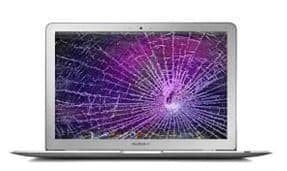
Possible delayed effects:

  • Screen flickering days after impact
  • Battery swelling
  • Internal components loosening

Ignoring these signs can lead to more serious problems later.

When Basic Fixes Stop Working

Apple recommends trying simple troubleshooting first:

  • Restarting the device
  • Updating iOS
  • Resetting settings

If the issue keeps coming back after these steps, it is often a sign that software is not the root cause.

At that point, professional iPhone repair becomes the practical next step.

Source: Adobe Stock

Most iPhone problems don’t appear suddenly. They build up gradually. Recognising early warning signs can help you act before a minor issue turns into a major one.

Trying basic fixes is always the first step. But knowing when those fixes are no longer enough is what helps you make the right decision.

A well-timed repair often extends the life of your device and prevents more expensive problems later.

Read More – How to Clean an iPhone Speaker Without Damaging It

FAQs

How do I know if my iPhone needs repair?

If issues like battery drain, screen flickering, charging problems, or audio issues persist even after basic troubleshooting, the device may need professional inspection.

Can software updates fix iPhone problems?

Yes, in some cases. Updates often fix bugs. However, repeated or persistent issues may indicate hardware problems.

Should I repair or replace my iPhone?

If the device still performs well overall and the issue is limited to one component, repair is usually more practical than replacement.

Is overheating always a serious issue?

Occasional heating can be normal. Constant overheating during basic tasks may indicate battery or internal hardware problems.

What should I try before seeking repair?

Restart the device, update iOS, check settings, and reset if needed. If the issue continues, a professional diagnosis is recommended.

Can minor issues become serious later?

Yes. Small problems like battery degradation or internal damage can worsen over time if ignored.

iPad Water Damage: What to Do Immediately to Save Your Device

Water and electronics have never been good companions. Even though modern devices are built with tighter seals and better internal protection, iPads are still vulnerable to moisture. A spill on the desk, a drop near the sink, or rain getting into a bag can quickly lead to problems.

If your device has been exposed to liquid, the first question is usually what to do if the iPad gets wet. Acting quickly and correctly can sometimes prevent long-term damage. Acting the wrong way can make things worse.

Apple support discussions and official troubleshooting guidance consistently emphasise one thing: the first few minutes after liquid exposure matter the most.

First Step: Turn the iPad Off Immediately

If the iPad is still powered on, shut it down right away. Electricity flowing through wet circuits can cause short circuits, which often permanently damage internal components.

Turn the iPad off immediately. On most modern models, press and hold the top button together with either volume button, then slide to power off. Do not try to keep using the device to see if it still works.

Remove Accessories and Disconnect Everything

Take off anything attached to the device:

  • Charging cable
  • Keyboard accessories
  • Apple Pencil
  • Protective case

Moisture can remain trapped under cases or around connectors. Removing these allows the device to dry more effectively.

Dry the Exterior Carefully

Use a clean, dry cloth to wipe the outside of the device. Pay attention to areas where water can collect, such as the charging port, speakers, and buttons.

Avoid heat sources like hair dryers or heaters. Excess heat can damage internal components and warp adhesives inside the device.

Do Not Charge the Device

After water exposure, many people instinctively try to plug the iPad in to see if it still charges. That is one of the worst things you can do.

Charging forces electrical current through internal circuits that may still be wet. This can cause severe damage.

Wait until the device is completely dry before attempting to power or charge it again.

Source: Fireebok

Read More – iPad Speaker Not Working? Common Causes and Practical Fixes

Skip the Rice Trick

You might have heard that placing a wet phone or tablet in rice can absorb moisture. This method is unreliable. Rice particles can enter charging ports and speakers, creating additional issues.

Let the Device Dry Properly

Place the iPad in a dry environment with good airflow. A room with moderate temperature and ventilation works well. Avoid sealed containers because trapped moisture slows drying.

Allow at least 24 to 48 hours before attempting to turn the device back on.

Patience here can prevent more serious damage.

Check for Warning Signs After Drying

Once the device has had enough time to dry, power it on and observe its behaviour.

Signs of possible liquid damage include:

  • Alerts for liquid detection
  • Screen flickering or discolouration
  • Touchscreen not responding correctly
  • Distorted speaker sound
  • Charging issues
  • Unexpected shutdowns

If any of these appear, the internal components may have been affected.

At this stage, professional iPad water damage repair may be required to prevent corrosion from spreading across the circuit board.

Source: Apple Support

Why Water Damage Sometimes Appears Later

Liquid damage is tricky because problems don’t always appear immediately. Moisture can slowly corrode internal components over days or weeks.

Even if the device seems fine at first, it’s worth monitoring for unusual behaviour. Early iPad water damage treatment can prevent larger failures later.

Water exposure does not automatically mean your iPad is beyond saving. Quick action, turning the device off, and allowing it to dry properly can significantly improve the chances of recovery.

The key is avoiding panic decisions. Charging the device, using heat, or trying unreliable drying methods often causes more harm than the water itself.

Taking calm, careful steps immediately after exposure gives your device the best chance of surviving the accident.

Read More – How to Pick the Best Apple iPad for You

FAQs

Can an iPad survive water damage?

Yes, sometimes it can. If the device is turned off quickly and allowed to dry properly, it may continue working normally. However, internal corrosion may still develop later in some cases.

Should I put my wet iPad in rice?

Most technicians and Apple support discussions discourage using rice. Rice dust can enter ports and openings, causing additional problems.

How long should I wait before turning my iPad on?

It is usually recommended to wait at least 24 to 48 hours after drying before powering the device on.

What happens if I charge a wet iPad?

Charging a wet device can cause short circuits in internal components. This can permanently damage the logic board or battery system.

Can water damage appear days later?

Yes. Liquid exposure can cause corrosion that develops slowly. The device might appear normal initially and show problems later.

Does Apple warranty cover water damage?

Liquid damage is typically not covered under Apple’s standard warranty. Apple technicians can inspect the device and determine the extent of damage if needed.

MacBook Screen Flickering? Causes and Fixes You Should Try First

A MacBook display is supposed to be smooth, stable, and predictable. When the screen starts flickering, even slightly, it can make simple tasks uncomfortable. Text becomes hard to read. Videos look choppy. Sometimes the brightness seems to pulse on and off.

If you are facing a MacBook screen flickering issue, the good news is that the cause is often something simple. In many cases, it can be fixed without replacing any hardware. Apple support experts usually recommend checking software settings first before assuming the worst.

Let’s look at the most common reasons behind this problem and what you can do to fix it.

What Does Screen Flickering Usually Look Like?

Different users describe flickering differently. Some notice quick flashes. Others see horizontal lines or brightness jumping randomly.

Typical signs include:

  • Screen brightness is fluctuating by itself
  • Horizontal lines appear briefly
  • Display flashing when opening apps
  • Flickering while adjusting brightness
  • The screen behaves normally after restarting, but the flicker returns later

Understanding the pattern helps identify whether the problem is software-related or hardware-related.

Source: Apple Support Communities

Restart Your MacBook First

It sounds basic, but restarting the system often solves temporary glitches.

Sometimes macOS graphics processes get stuck or overloaded. Restarting clears memory and reloads the display drivers.

Steps:

  1. Click the Apple logo in the top-left corner
  2. Select Restart
  3. Wait for the system to boot again

If the flickering disappears afterwards, it was likely a temporary system process issue.

Check macOS Updates

Display problems sometimes appear after a buggy update or when your system is outdated.

Apple frequently releases updates that fix graphics driver issues.

To update macOS:

  1. Open System Settings
  2. Click General
  3. Select Software Update

Install any available update and restart the system afterwards. Many users on Apple support forums report that display glitches disappear after updating.

Read More – How Long Do MacBooks Last?

Turn Off Automatic Graphics Switching

MacBook Pro models with dual GPUs sometimes flicker when switching between integrated and dedicated graphics.

You can test this by disabling automatic switching.

Steps:

  1. Open System Settings
  2. Click Battery
  3. Select Options
  4. Turn off Automatic graphics switching

If the flicker stops, the issue may be related to GPU switching behaviour.

Source: Apple Support

Adjust True Tone and Night Shift

Display features like True Tone and Night Shift constantly adjust colour temperature based on lighting conditions. Occasionally, these adjustments may look like flickering.

To test this:

  1. Open System Settings
  2. Click Displays
  3. Turn off True Tone
  4. Disable Night Shift

Observe the screen for a while. If the flickering stops, one of these features may have been triggering the behaviour.

Reset NVRAM or PRAM

Apple recommends resetting NVRAM when you experience unusual display behaviour.

NVRAM stores display settings, brightness preferences, and graphics configurations.

To reset it on Intel MacBooks:

  1. Shut down the Mac
  2. Turn it on and immediately press Option + Command + P + R
  3. Hold the keys for about 20 seconds
  4. Release them and let the Mac start normally

After this reset, check whether the MacBook display flickering problem continues.

Boot in Safe Mode

Safe Mode loads macOS with only essential system extensions. If the flickering stops in Safe Mode, a third-party app or background process may be responsible for the issue.

Steps:

  1. Shut down your Mac
  2. Turn it on while holding the Shift key
  3. Release the key when the login screen appears

If the display behaves normally in Safe Mode, recently installed apps or system extensions might be interfering with the graphics system.

Check External Displays and Cables

If you use an external monitor, flickering may come from:

  • faulty HDMI or USB-C cables
  • incompatible display adapters
  • refresh rate mismatches

Try disconnecting the external display temporarily. If the MacBook screen becomes stable, the issue might be with the external setup rather than the laptop itself.

Source: Mac World

When It May Be Hardware Related

If none of the software solutions work, hardware may be involved.

Possible causes include:

  • display cable wear from repeated lid movement
  • graphics chip issues
  • panel damage after drops or pressure
  • ageing display components

In such cases, running Apple Diagnostics can help identify internal faults.

To run diagnostics:

  1. Shut down the MacBook
  2. Turn it on while holding the D key
  3. Follow the on-screen instructions

Apple Diagnostics can detect certain hardware issues that may cause flickering.

Display flickering does not always mean the screen is failing. Many cases of MacBook display flickering problems are caused by software conflicts, display settings, or graphics switching behaviour. Trying these troubleshooting steps often resolves the issue without any repair.

However, if the flickering continues even after system resets and updates, it may indicate a deeper hardware problem that needs professional inspection.

Read More – MacBook Screen Problems: Common Issues and Fixes

FAQs

Why is my MacBook screen flickering randomly?

Random flickering often occurs due to graphics driver glitches, automatic graphics switching, or display settings such as True Tone or Night Shift. Updating macOS or restarting the system often fixes it.

Can software cause screen flickering on a MacBook?

Yes. macOS bugs, incompatible apps, and graphics driver conflicts can cause display instability. Booting in Safe Mode can help determine if software is responsible.

Does overheating cause screen flickering?

In some cases it can. When the system overheats, the graphics processor may behave unpredictably, which can affect display stability.

Is MacBook screen flickering a hardware issue?

Not always. Many flickering issues are software-related. Hardware problems are usually suspected only after software troubleshooting fails.

Can resetting NVRAM fix flickering?

Yes. Resetting NVRAM restores display and graphics settings to default values, which sometimes resolves display glitches.

Should I replace the screen if it flickers?

Only if troubleshooting confirms a hardware fault. Always rule out software causes first before considering display replacement.

iPad Speaker Not Working? Common Causes and Practical Fixes

An iPad is often used for watching videos, attending online meetings, listening to music, or following tutorials. When the sound suddenly disappears or becomes distorted, the device quickly becomes frustrating to use.

If you are facing an iPad speaker not working problem, the cause is not always a hardware failure. In many cases, the issue comes from settings, temporary software glitches, or small blockages in the speaker grills. A few basic things must be checked before assuming the speakers need repair.

Let’s go through the most common reasons and what you can do to fix them.

Check the Volume and Mute Settings

It sounds obvious, but this is often the first thing Apple technicians recommend checking.

Press the volume buttons and make sure the volume slider moves upward. Also, check the Control Center to confirm that the device is not muted.

To check quickly:

  1. Swipe down from the top-right corner to open Control Center
  2. Look at the volume slider
  3. Make sure it is not set to zero

Sometimes the device may appear silent simply because the system volume was lowered accidentally.

Disconnect Bluetooth Devices

Your iPad may still be connected to wireless headphones, speakers, or a car audio system. When that happens, audio gets redirected away from the iPad speakers.

To check:

  1. Open Settings
  2. Tap Bluetooth
  3. See if any device is connected

Disconnecting the Bluetooth device often restores sound through the built-in speakers.

Restart the iPad

A quick restart can resolve temporary software glitches that affect audio output.

To restart most modern iPads:

  1. Press and hold the top button together with either volume button
  2. Slide to power off
  3. Wait a few seconds
  4. Turn the device back on

Many users report that audio problems disappear after a restart because the audio system processes are reset.

Source: MacRumors Forum

Read More – How Do I Know What iPad I Have?

Check the App Causing the Problem

Sometimes the issue is limited to a specific application. A video player or streaming app may temporarily malfunction.

Try this simple test:

  • Play audio from a different app
  • Open Apple Music or a system sound
  • Play a notification tone

If sound works in other apps, the original application may need to be updated or reinstalled.

Inspect the Speaker Grills

Dust, lint, or debris can block the small openings in the speaker grills. When this happens, sound may become muffled or extremely quiet.

Use a soft, dry brush or a clean microfiber cloth to gently remove dust around the speaker area. Avoid using sharp objects or liquids.

iPad users are generally advised to keep speaker openings clean because even small particles can affect audio clarity.

Check for Software Updates

Apple frequently releases updates that fix system bugs, including audio-related glitches.

To update your device:

  1. Open Settings
  2. Tap General
  3. Select Software Update

Installing the latest iPadOS version can sometimes resolve audio instability.

Reset All Settings

If the sound problem continues, resetting system settings may help. This will not erase your data, but it will restore default settings for Wi-Fi, sound preferences, and display options.

Steps:

  1. Open Settings
  2. Tap General
  3. Select Transfer or Reset iPad
  4. Tap Reset
  5. Choose Reset All Settings

After restarting, test the speakers again.

Source: MacRumors

When Hardware Might Be the Problem

If none of the above steps works, the issue may be hardware-related. Possible causes include:

  • Internal speaker damage
  • Water exposure
  • Loose internal connections
  • Physical damage from drops

In such cases, professional iPad speaker repair may be required. A technician can inspect the device internally and replace faulty speaker components if necessary.

Audio issues on an iPad can have many causes, and not all of them require repairs. Often, the problem is as simple as a Bluetooth connection, software glitch, or blocked speaker grill. Trying the basic troubleshooting steps first can save time and effort.

However, if the issue persists after these checks, a deeper inspection may be needed to identify the exact iPad audio issue solution and restore clear sound.

Read More – How to Remove an iPad App Without Overthinking It

FAQs

Why is my iPad speaker suddenly not working?

The problem could be caused by muted settings, Bluetooth connections, software glitches, or debris blocking the speaker grills.

Can restarting fix iPad speaker problems?

Yes. Restarting resets system processes and can resolve temporary audio glitches.

How do I check if Bluetooth is causing the issue?

Go to Settings → Bluetooth and see if the iPad is connected to headphones or speakers. Disconnecting them can restore sound to the device.

Can dust block iPad speakers?

Yes. Dust or lint inside the speaker openings can muffle sound or reduce volume.

Does updating iPadOS fix audio problems?

Sometimes it does. Apple software updates often include bug fixes that resolve audio and system stability issues.

When should I consider professional repair?

If none of the troubleshooting steps works and the speakers still produce no sound or distorted sound, the device may need internal inspection and repair.

How Do I Know What iPad I Have?

iPads tend to stay with us for years. They survive updates, new accessories, and sometimes even a cracked corner or two. Which is exactly why many people suddenly realise they have no idea which model they’re actually using. You only notice this when you try to buy a case, replace a screen, or check compatibility for a new update.

The good news is that identifying your iPad is easier than it sounds. You do not need special tools, and you definitely do not need to be a tech expert.

Why Knowing Your iPad Model Matters

At first glance, many iPads look almost identical. Similar screens, similar buttons, same Apple logo. But internally, models differ quite a lot.

Knowing the exact model helps when:

  • buying accessories like covers or keyboards
  • checking software compatibility
  • repairing or replacing parts
  • selling or trading in the device

That is usually when people start searching things like What iPad do I have.

The Easiest Way: Check in Settings

This is the quickest method and works on almost every iPad.

  1. Open Settings
  2. Tap General
  3. Tap About
  4. Look for Model Name

You will see something simple like iPad Air (5th generation) or iPad Pro 11-inch. Right below it, you’ll also find a model number starting with A followed by numbers. That number tells you the exact version.

Source: Teachable News

Read More – iPad Not Charging? Here’s the Fix

Using the Model Number on the Back

If your iPad does not turn on, there is still another way.

Flip the device over and look near the bottom. You’ll see small text that includes a model number like A2436 or A2270.

This method helps when buying second-hand devices or when troubleshooting without accessing the software. It is one of the simplest ways for how to identify your iPad model without opening any menus.

Check the Original Box or Receipt

If you still have the original packaging, Apple prints the model name and number clearly on the label. This is often overlooked, but it saves time.

Digital receipts from Apple or authorised stores also mention the exact model.

Source: Apple

Use Apple’s Website for Confirmation

Once you have the model number, you can match it on Apple’s support page. The site lists every iPad generation with photos and specifications.

This helps when two devices look almost the same but belong to different generations.

Visual Clues That Help

Sometimes you can identify the model just by looking at it.

  • Home button present → usually older iPad, iPad Air, or basic iPad models
  • No home button with slim bezels → newer iPad Pro or iPad Air
  • Single camera vs dual camera
  • USB-C vs Lightning port

These clues are not perfect, but they narrow things down quickly.

Why People Get Confused

Apple has released many iPads with small design changes. A 10.2-inch iPad and a 10.9-inch iPad may look similar at first glance. Names like Air, Pro, and regular iPad also overlap in size.

That confusion is exactly why people search for How to find out what iPad I have when they need a replacement part or accessory.

Tips Before Buying Accessories

Before ordering a case or screen protector:

  • Confirm model number, not just size
  • Check the generation year
  • Compare camera cutouts and button placement

A case that fits one generation may not fit another, even if the screen size matches.

Source: CNET

Finding your iPad model is simpler than most people expect. The answer is usually sitting inside the Settings app or printed quietly on the back of the device. Once you know the model, everything else becomes easier — from repairs to updates to buying the right accessories.

Take a minute to check now. It saves confusion later.

Read More – iPad Running Slow? Here’s How to Speed It Up

FAQs

1. Can two iPads look the same but be different models?

Yes. Apple often keeps similar designs across generations while changing internal hardware.

2. Where do I find the model number on an iPad?

You can find it in Settings under General → About, or printed on the back of the device.

3. Does screen size alone identify the iPad?

Not always. Different generations can share similar screen sizes.

4. Can I identify my iPad if it won’t turn on?

Yes. Use the model number printed on the back or check the original box.

5. Why is knowing my iPad model important?

It helps ensure compatibility for accessories, repairs, updates, and resale value.

How to Clean an iPhone Speaker Without Damaging It

An iPhone speaker usually works quietly in the background until one day it doesn’t sound quite right. Music feels muffled. Calls sound softer than usual. Voice notes lose clarity. Most of the time, the problem isn’t the speaker itself. It’s dust, pocket lint, or tiny particles slowly building up over months of everyday use.

The good news is you can fix this at home. You just need to be gentle and know what not to do.

Why iPhone Speakers Get Dirty So Easily

Think about where your phone goes every day. Pockets, bags, beds, tables, and car dashboards. Tiny fibres and dust settle into the speaker grills without you noticing. Over time, that layer blocks sound.

It’s one of the most common reasons people look up how to clean an iPhone speaker when the volume suddenly feels weaker.

Things You Should Never Use

Before cleaning anything, avoid these mistakes:

  • No needles or metal pins
  • No blowing directly with your mouth
  • No strong liquids or cleaning sprays
  • No high-pressure air canisters can be held too close together

The speaker mesh is delicate. One wrong move can push dirt deeper or damage internal components.

Source: AppleToolBox

The Safest Way to Clean the Speaker

Start simple.

1. Use a Soft, Dry Brush

A clean toothbrush or a soft paintbrush works well. Hold the phone upright and gently brush across the speaker grill. Small movements are enough. You are trying to lift dust out, not push it in.

This method is effective if you are wondering how to remove dust from iPhone speaker openings without risking damage.

2. Use Painter’s Tape or Adhesive Putty

A tiny piece of low-stick tape can pull out lint trapped in the holes. Lightly press and lift. Do not push hard.

3. Clean the Bottom Speaker and Earpiece

Remember, there are multiple speaker openings on an iPhone. The bottom speaker handles media sound, while the top earpiece affects call quality. Both deserve attention.

A Quick Test After Cleaning

Play a song or a voice note at full volume. Compare the clarity before and after. Often, the difference is immediate.

If sound improves but still feels weak, repeat the cleaning gently rather than trying aggressive methods.

Should You Use Cleaning Apps or Sound Tricks?

You may see videos suggesting sound waves to shake dust loose. These methods sometimes help slightly, but they are not a complete solution. Physical cleaning is still the safest and most reliable way to clean iPhone speaker grills.

How Often Should You Clean Your Speaker?

You don’t need to do it every week. Once every couple of months is enough for most users. If you work in dusty environments or keep your phone in your pocket often, you might need to clean it more frequently.

A simple routine prevents buildup and keeps sound clear.

Source: Mashable

Signs It Might Be More Than Dust

Sometimes cleaning won’t solve the problem. Watch for these signs:

  • Distorted or crackling sound
  • Audio cutting in and out
  • No sound at all, even at full volume
  • The speaker only works with headphones

If that happens, the issue could be hardware-related rather than dirt.

Keeping your iPhone speaker clean is a small habit that makes a big difference. Clear audio improves calls, videos, and music without needing any apps or accessories. The key is patience and gentle handling.

Once you learn the process, it takes less than two minutes and can save you from thinking something is broken when it’s just a bit of dust.

Read More – iPhone Air – All You Need to Know

FAQs

1. Can I use alcohol or a liquid to clean my iPhone speaker?

It’s better not to. Liquids can seep inside and damage internal components.

2. Is compressed air safe for cleaning speakers?

Only if used very carefully and from a distance. Strong blasts can push dust deeper.

3. Why does my iPhone sound muffled even after cleaning?

The speaker may have moisture damage or internal wear. Cleaning helps only when dust is the issue.

4. How often should I clean my iPhone speaker?

Every 2–3 months is enough for normal use.

5. Can I clean the speaker with a toothpick?

No. Sharp objects can tear the mesh or damage internal parts.

How Long Do MacBooks Last? Understanding the Real Lifespan of a MacBook

Buying a MacBook is not a casual purchase. It is an investment. And before spending that kind of money, most people quietly wonder the same thing — how long is this thing actually going to last?

The answer is not dramatic. But it is practical.

A well-maintained MacBook can easily last 5 to 8 years, sometimes even longer. That does not mean it will feel brand new for eight years. It means it will remain usable, functional, and relevant with proper care.

Let’s break it down realistically.

So, How Long Do MacBooks Last in Real Life?

If you are asking how long do MacBooks last, the honest answer depends on three things:

  • The model you buy
  • How you use it
  • How you maintain it

A MacBook Air used for browsing, writing, and office work may feel smooth for 7 years. A MacBook Pro used for heavy video editing might show signs of stress sooner, simply because it works harder.

Apple designs its laptops with strong aluminium bodies and efficient chips. The Apple Silicon models, especially, have improved longevity because they run cooler and manage battery cycles more efficiently.

Source: Apple

Hardware vs Software Lifespan

There are two timelines to consider.

1. Hardware Durability

MacBooks are physically durable. The body, keyboard, and trackpad usually hold up well. The most common hardware parts that age first are:

  • Battery
  • Storage drive
  • Keyboard (on older butterfly models)
  • Charging ports

Battery degradation is normal after 3 to 4 years, but replacing it can extend usage significantly.

2. Software Support

Apple typically provides macOS updates for around 6 to 7 years from a model’s launch date. After that, the device may still work, but it stops receiving major system upgrades.

This does not instantly make your laptop useless. It just means you stop getting the newest features.

Read More – How to Extend the Life of Your MacBook: Tips & Tricks

Average MacBook Lifespan by Model

Here’s a general expectation:

  • MacBook Air (Intel era): 5–7 years
  • MacBook Pro (Intel era): 5–7 years
  • MacBook Air (M1 and later): 6–8 years
  • MacBook Pro (M-series): 7–9 years

Apple Silicon machines have significantly improved efficiency and thermal control. That directly impacts the MacBook lifespan.

What Reduces the Lifespan of a MacBook?

Some habits shorten it faster than people realise.

  • Keeping it plugged in 24/7 without battery optimisation
  • Blocking ventilation while using heavy apps
  • Using low-quality chargers
  • Ignoring overheating issues
  • Letting storage remain almost full all the time

Over time, these things quietly add stress.

Signs Your MacBook Is Ageing

A laptop does not suddenly “die.” It gradually slows down.

Common ageing signs:

  • The battery drains quickly
  • Fans run loudly
  • Apps take longer to open
  • macOS updates stop arriving
  • Storage fills up constantly

At that stage, many people start researching the lifespan of MacBook models because they feel the difference.

Source: Apple Insider

Can You Extend the Lifespan?

Yes. Quite easily.

  • Keep macOS updated
  • Avoid installing unnecessary background apps
  • Clean dust from vents periodically
  • Use original or certified chargers
  • Replace the battery when its health drops significantly
  • Keep at least 20% storage free

Simple habits often add two extra years of comfortable use.

Is It Worth Repairing an Old MacBook?

That depends on age and usage.

If your MacBook is 4 to 5 years old and only needs a battery replacement, a repair makes sense. If it is 8 years old and struggling with software support, upgrading may be smarter.

Think in terms of cost vs remaining usefulness.

A MacBook is not a two-year device. With reasonable care, most users can expect 6 to 8 years of dependable performance. Apple’s build quality, especially in the Apple Silicon era, has improved longevity noticeably.

The real question is not just how long it will last, but how long it will feel fast enough for your needs.

And that depends on how you use it.

Read More – MacBook Screen Problems: Common Issues and Fixes

FAQs

1. How long do MacBooks last on average?

Most MacBooks last between 5 and 8 years, depending on usage and maintenance.

2. What is the typical lifespan of MacBook batteries?

Around 3 to 5 years before noticeable degradation. Battery replacement can extend device life significantly.

3. Does macOS support affect usability?

Yes. Once major updates stop, security patches may also reduce over time, which affects long-term relevance.

4. Are M-series MacBooks expected to last longer?

Yes. They run cooler, are more efficient, and have fewer thermal stress issues compared to older Intel models.

5. Should I replace or repair my MacBook after 5 years?

If the issue is limited to battery or storage, repair is sensible. If performance struggles with daily tasks, upgrading may be wiser.

How Do I Install Apps on Apple Watch?

The Apple Watch feels complete straight out of the box. It tracks steps, shows notifications, and handles calls. But after a few days, most people realise something. It can do a lot more. You just need the right apps.

Installing apps on an Apple Watch is not complicated, but the process is slightly different from that of an iPhone. Once you understand the flow, it becomes second nature.

Let’s break it down properly.

First, Understand How Apple Watch Apps Work

Apple Watch apps are connected to your iPhone. Most of them are extensions of apps already installed on your phone. That means you don’t always download them directly to the Watch itself.

This is usually where people get confused and start searching for how to put apps on an Apple Watch.

The answer depends on whether the app already exists on your iPhone or not.

Source: 9to5 Mac

Method 1: Automatically Install Compatible iPhone Apps

By default, the Apple Watch can automatically install apps that support watchOS.

To check this:

  1. Open the Watch app on your iPhone
  2. Tap General
  3. Turn on Automatic App Install

Now, whenever you download an app on your iPhone that has an Apple Watch version, it will automatically appear on your Watch.

This is the easiest method.

Method 2: Manually Add Apps Through the Watch App

If the app didn’t install automatically, you can do it manually.

  1. Open the Watch app on your iPhone
  2. Scroll down to Available Apps
  3. Find the app you want
  4. Tap Install

This is the most common way for people learning how to add apps to the Apple Watch after initial setup.

The Watch will sync and install it within seconds.

Method 3: Download Directly From the Apple Watch

Newer versions of watchOS allow you to download apps directly from the Watch.

Here’s how:

  1. Press the Digital Crown
  2. Open the App Store
  3. Search using voice, scribble, or keyboard
  4. Tap Get
  5. Enter your Apple ID password if required

This method works well when you want quick access without picking up your iPhone. It’s especially useful for fitness, productivity, and music apps.

This is what Apple means when you download apps on your Apple Watch without using your phone.

Source: Rapid Repair

Read More – How to Unpair an Apple Watch Without Confusion

How to Rearrange or Remove Apps

Once installed, you can manage them easily.

To rearrange:

  • Press and hold any app icon
  • Drag it to your preferred position

To delete:

  • Press and hold the app
  • Tap the small X
  • Confirm removal

Keeping the Watch uncluttered makes navigation easier.

Why Some Apps Don’t Appear

Sometimes an app does not show up on the Watch. That usually happens because:

  • The app doesn’t support watchOS
  • Automatic install is turned off
  • The Watch is not properly paired
  • Software needs updating

Updating both iOS and watchOS often solves the issue.

A Quick Tip for Better Performance

Avoid installing too many unnecessary apps. The Apple Watch works best when it is focused. Too many background apps can affect battery life and performance.

Install what you actually use. Fitness. Banking alerts. Music. Maybe one productivity app. That’s usually enough.

Installing apps on an Apple Watch is simpler than it first appears. Whether you prefer automatic syncing or manual control, the process takes less than a minute. Once you personalise it with the right apps, the Watch feels far more useful.

And that is when it starts feeling like an extension of your phone, not just a notification screen on your wrist.

FAQs

1. Can I install apps on Apple Watch without an iPhone?

Yes, if your Watch supports the App Store directly. You can search and install apps using Wi-Fi or cellular.

2. Why are my iPhone apps not showing on Apple Watch?

Check if Automatic App Install is enabled and confirm the app supports watchOS.

3. Do Apple Watch apps affect battery life?

Yes, especially fitness and background tracking apps. Install only what you need.

4. Can I reinstall deleted apps?

Yes. You can download them again from the Watch App Store or through the Watch app on iPhone.

5. Do all iPhone apps have Apple Watch versions?

No. Only apps designed with watchOS support will appear.

Read More – How to Pick the Best Apple iPad for You

Apple iOS 26.3 Release Date, Features and Specifications

If you’ve ever tapped “Update Available” on your iPhone and hesitated, you’re not alone. Apple’s software updates usually go quietly, but every so often, a point release begins buzzing early — and iOS 26.3 is one of those. It’s not a complete overhaul like a major macOS or iPadOS update, but it brings a handful of meaningful improvements and groundwork for future changes.

Here’s everything you should know about the Apple iOS 26.3 release date, what it actually includes, and why it matters.

When is Apple iOS 26.3 Coming Out?

Apple has seeded the release candidate of iOS 26.3 to developers and public beta testers. A release candidate (RC) build is usually the final version before a public rollout, unless a last-minute issue is found.

Industry reporting suggests that the public release will likely happen in early February 2026, with some speculation pointing to the week beginning February 9.

So if you’re waiting for this update, it’s imminent — and it’s worth preparing your iPhone for it.

Source: Apple

What’s New in Apple iOS 26.3

This update isn’t about massive redesigns or headline features. Instead, it continues Apple’s pattern of polishing the system while adding useful tools and compliance improvements. Early reporting highlights the following additions as part of the Apple iOS 26.3 features lineup:

Android Transfer Tool

One of the most noticeable additions is a native tool that makes it easier to move data from an iPhone to an Android phone. This could include photos, messages, contacts, notes, and other essentials — all without needing third-party apps.

This is a big deal for people switching ecosystems, something Apple has never facilitated directly before.

RCS Messaging Infrastructure

Apple appears to be laying the foundation for better support of RCS (Rich Communication Services) messaging — a protocol that lets iPhone and Android users communicate more like modern chats rather than old SMS. Early builds hint that end-to-end encryption for RCS may be supported in future, though carriers have to roll out network support too.

This doesn’t immediately change how your chats work, but it marks a step toward a more secure cross-platform messaging experience.

Wallpaper and Personalisation Tweaks

iOS 26.3 also separates weather-related wallpapers into a dedicated section and adds a few more customisation options. It’s a small change, but if you enjoy tweaking your visuals, it’s welcome.

Privacy Enhancements

Reports suggest Apple is introducing a “Limit Precise Location” setting to share only broad regional data with cellular carriers, enhancing user privacy without affecting emergency services access.

This feature gives users more control over the data that’s shared beyond apps.

Source: PCMag

What This Update Is Not

iOS 26.3 isn’t bringing a major redesign or a shift in how you use your iPhone every day. There are no new core system interfaces or major AI functions like the ones Apple introduced in earlier versions of iOS 26.

Instead, this update sticks to a theme of refinement, compliance, and groundwork for future moves Apple might make in messaging and cross-platform communication.

Supported Devices

Apple historically supports several years’ worth of iPhones in its updates, and iOS 26.3 follows that path. Devices compatible with iOS 26 will also work with iOS 26.3. That includes models from recent flagship generations as well as some older ones, covering a wide base of users.

  • iPhone SE (2nd generation and later)
  • iPhone 11 series: iPhone 11, iPhone 11 Pro, iPhone 11 Pro Max
  • iPhone 12 series: iPhone 12, iPhone 12 mini, iPhone 12 Pro, iPhone 12 Pro Max
  • iPhone 13 series: iPhone 13, iPhone 13 mini, iPhone 13 Pro, iPhone 13 Pro Max
  • iPhone 14 series: iPhone 14, iPhone 14 Plus, iPhone 14 Pro, iPhone 14 Pro Max
  • iPhone 15 series: iPhone 15, iPhone 15 Plus, iPhone 15 Pro, iPhone 15 Pro Max
  • iPhone 16 series: iPhone 16, iPhone 16 Plus, iPhone 16 Pro, iPhone 16 Pro Max, iPhone 16e
  • iPhone 17 series: iPhone 17, iPhone 17 Pro, iPhone 17 Pro Max, iPhone Air

How to Install the iOS 26.3 Update

Once Apple rolls it out publicly, installing the update is straightforward:

  1. Open the Settings app
  2. Tap General
  3. Go to Software Update
  4. Tap Download and Install if the update appears

Your iPhone will handle the rest. It might take several minutes, so it’s best to do it when you aren’t in a rush.

Source: Tom’s Guide

Read More – Apple Event Key Highlights – 2025

Should You Update Right Away?

That depends on how you use your iPhone.

If you rely on your phone for daily work or important tasks, it makes sense to wait a few days after release. Early adopters can flag bugs that Apple might patch quickly.

If privacy and data migration tools matter to you, installing relatively soon after release is reasonable. The Apple iOS 26.3 update brings meaningful groundwork that could affect how your device interacts with non-Apple systems.

iOS 26.3 isn’t a dramatic shift. It doesn’t overhaul the whole experience or wait for Apple’s next big announcement. But it represents thoughtful iteration — better tools for people switching from Android, improved controls for notifications and accessories, and a stronger privacy stance.

It’s the kind of update that doesn’t scream for attention, but quietly improves the platform most users already know well.

FAQs

1. Is iOS 26.3 a major update?

No. iOS 26.3 is a point release. That means it focuses on improvements, fixes, and system-level additions rather than a full redesign or brand-new interface.

2. When will iOS 26.3 be available for everyone?

Apple has already released the RC version to testers, which usually means the public rollout is just days away. Once Apple confirms stability, the update will be pushed automatically to supported devices.

3. Will iOS 26.3 affect battery life?

Early point updates sometimes cause short-term battery drain due to background indexing. This usually settles within a day or two. Long-term performance is expected to be more stable than earlier builds.

4. Do I need to back up my iPhone before updating?

It’s always a good idea. While iOS updates are generally safe, a backup ensures your data stays protected in case anything unexpected happens.

5. Will iOS 26.3 slow down older iPhones?

There’s no indication that this update reduces performance on supported models. Apple typically uses .3 updates to improve stability rather than introduce heavier system loads.

6. Is the Android transfer feature mandatory?

No. It’s optional. The feature simply adds flexibility for users who want to move data to an Android device. If you never use it, nothing changes for you.

7. Does iOS 26.3 change messaging between iPhone and Android right now?

Not immediately. The update lays the groundwork for better RCS support, but full functionality depends on carrier support and future updates.

8. Should I install iOS 26.3 immediately or wait?

If your iPhone is critical for work, waiting a few days is sensible. If you’re comfortable updating and value security fixes, installing it early is fine.

How to Remove an iPad App Without Overthinking It

If you’ve used an iPad long enough, you already know how apps pile up quietly. One day, the home screen looks organized, and the next day it’s full of things you downloaded at 2 AM and never opened again. The good news is that removing apps on an iPad is simple. The slightly funny part is that most people forget the exact steps right when they need them. So this guide is here to save you from that mini panic.

Whether you’re clearing space, removing distractions, or just want a cleaner layout, there are a few easy ways to do it.

1. The Classic “Hold and Delete” Method

This is the one most people already know, but it’s still the quickest.

  1. Press and hold the app you don’t want anymore
  2. A small menu pops up
  3. Tap Remove App
  4. Confirm the deletion

That’s it. This method is perfect when you want to quickly tidy your screen without diving into settings. And yes, this is the simplest answer if you ever find yourself asking how to remove an app on an iPad.

2. Deleting from the Settings App

Sometimes an app refuses to appear on your Home Screen because it’s hidden in the App Library. Or maybe you just want to see how much storage an app is eating before removing it.

  1. Open Settings
  2. Go to General
  3. Tap iPad Storage
  4. Scroll to the app you want to erase
  5. Tap it
  6. Tap Delete App

This method also shows you large apps, cached data, and the ones you don’t remember downloading at all. It’s the most reliable way if you’re trying to figure out how to erase an app on an iPad without missing anything.

3. Removing Apps from the App Library

If you swipe all the way to the last screen on your iPad, you land in the App Library. This is where apps hide when you’ve removed them from the Home Screen but haven’t actually deleted them.

To get rid of one:

  1. Tap and hold the app icon
  2. Select Delete App
  3. Confirm

This is handy when the Home Screen looks clean, but the iPad still feels full.

Source: TapSmart

4. Offloading Apps Without Losing Data

Some apps take up too much space, but you don’t want them gone forever. Offloading is Apple’s middle-ground option.

Steps:

  1. Go to Settings
  2. Open General
  3. Tap iPad Storage
  4. Choose the app
  5. Tap Offload App

The app disappears, but your documents and data stay safe. When you reinstall it, the app behaves as if nothing happened.

5. Deleting Apps When They Misbehave

Sometimes an app freezes, glitches, or generally behaves like it’s had a bad day. Restarting the iPad helps, but deleting and reinstalling the app is often the quicker fix. This falls under the simple idea of how to delete an application on an iPad when nothing else seems to work.

Read More – How to Pick the Best Apple iPad for You

A Few Things to Keep in Mind

Deleting an app removes its data unless it’s backed up or stored in the cloud. Some apps also reinstall themselves if they’re tied to system functions, like Safari or Messages. And if an app icon doesn’t show the delete option, it’s because the app is restricted by parental controls or part of system settings.

Removing apps on the iPad isn’t complicated, but having all the methods in one place makes life easier. Whether you prefer long-pressing the app or going into Settings to really understand what you’re removing, the iPad gives you enough control to manage storage without stress.

Source: Mashable ME

If you ever get stuck, remember: the simplest method is usually the right one. And your iPad will feel a lot lighter once you clear out what you don’t need.

Read More – Common iPad Problems and How to Fix Them

FAQs

1. Will deleting an app remove all its data?

Most of the time, yes. When you delete an app, its documents and stored files go with it. If the app uses iCloud, some data might still be saved there, but anything stored locally on the iPad disappears.

2. Why can’t I delete certain apps?

Some apps are built into iPadOS. Safari, Messages, App Store, Camera — these aren’t regular apps, and Apple doesn’t let you remove them. If you see no option to delete, it’s probably a system app. The other possibility is parental controls being enabled.

3. What happens if I offload an app instead of deleting it?

Offloading removes the app but keeps its data. When you reinstall it, everything comes back as if nothing changed. It’s a good option when you want to save space without losing progress or files.

4. I deleted an app, but it still shows in the App Store. Did I do something wrong?

No. The App Store keeps a list of apps you’ve downloaded in the past. That history doesn’t mean the app is still on your iPad. It’s just there so you can reinstall it whenever you want.

5. Can deleting apps speed up my iPad?

Indirectly, yes. Fewer apps mean less background activity and more free storage, which helps the system run smoothly. If the iPad feels slow, deleting unused apps is one of the easiest things to try.

6. What if an app refuses to delete at all?

Restart the iPad once. If the delete option still doesn’t show up, check for restrictions under Settings. Worst case — the app may be stuck due to a glitch, and a quick software update usually fixes that.

whatsapp logo